
Did you know that nearly 70 million Americans struggle with sleep disorders? If you’re one of them, a home sleep study could be your first step toward a better night’s rest. This non-invasive process allows you to monitor your sleep patterns from the comfort of your own bed, providing valuable insights into your sleep quality and potential issues like sleep apnea. Understanding how a home sleep study is performed can empower you to take control of your health. In the following sections, we’ll explore what to expect during the study, including the setup of equipment, how to interpret your results, and when to consider professional help. With the right tools and knowledge, you can make informed decisions about your sleep health and improve your overall well-being.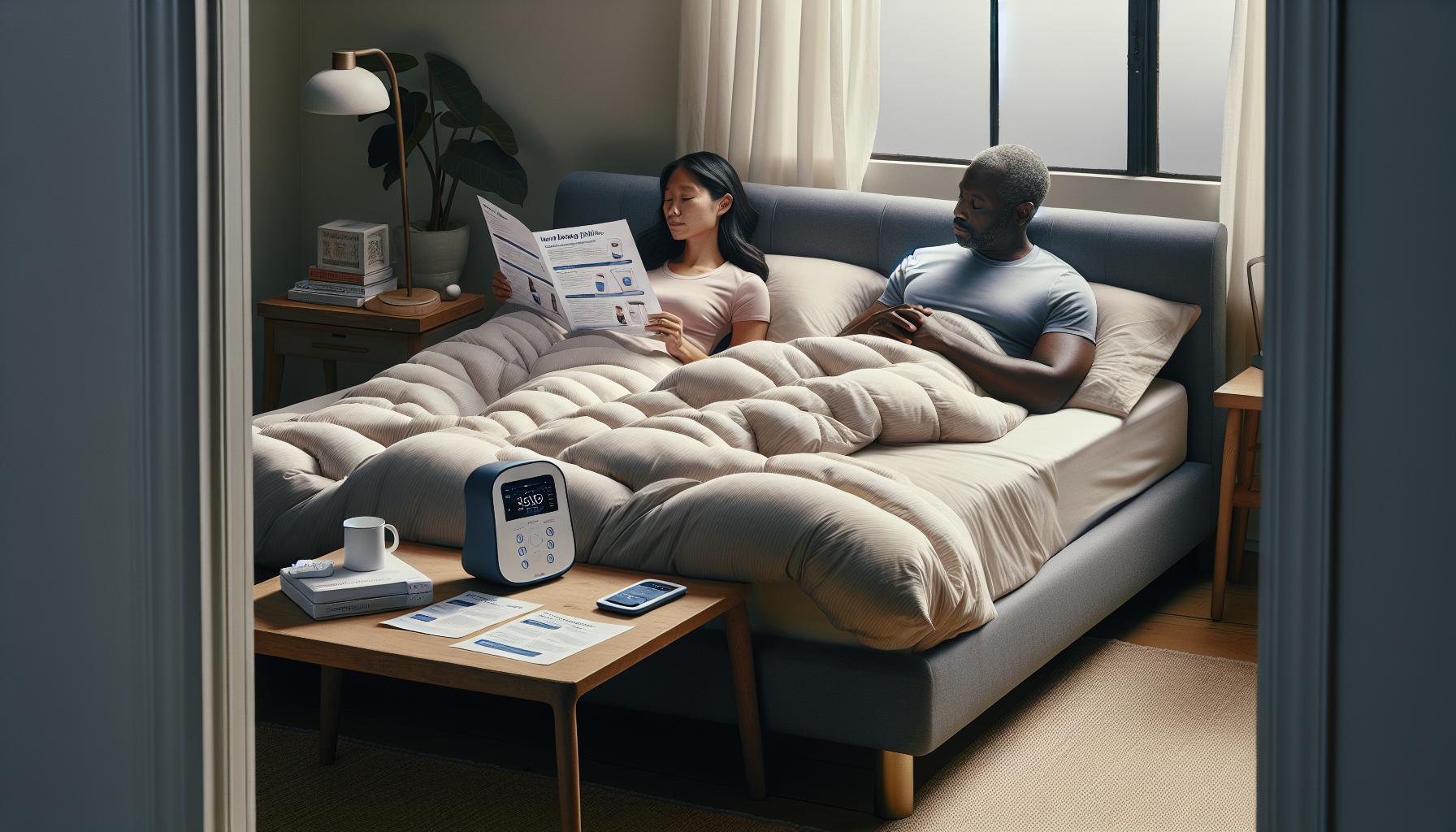
Understanding Home Sleep Studies: An Overview
Home sleep studies provide a convenient and effective way to diagnose sleep disorders from the comfort of your own home. These studies are designed for individuals experiencing symptoms like excessive daytime sleepiness, snoring, or observed episodes of breathing cessation during sleep, making it easier to assess sleep health without the need for in-lab supervision. Enabling patients to sleep in their own environment can often yield more accurate results, as they can reflect normal sleep patterns and behaviors.
The main principle behind a home sleep study is to monitor key physiological parameters while you sleep. This typically includes tracking variables such as your breathing patterns, heart rate, and oxygen levels. The collected data helps healthcare providers identify issues such as obstructive sleep apnea (OSA), central sleep apnea, or other sleep-related disorders. With advancements in technology, home sleep testing has become more accessible and can often be performed using portable devices that are user-friendly and easy to set up.
When considering this type of study, it’s crucial to understand the equipment and process involved. A typical home sleep test includes a small monitor that attaches to your body with sensors placed on your finger, chest, and sometimes around your nose. These sensors are designed to be non-invasive, providing a comfortable option for those who may feel anxious about medical settings. Most importantly, patients receive clear instructions on how to set up the device and prepare for the study, ensuring a smooth testing experience.
As you contemplate this option, remember that the success of a home sleep study largely depends on adhering to the setup instructions and following guidelines provided by your healthcare team. The results of the study will eventually lead to tailored interventions, enhancing your sleep quality and overall health. Understanding this testing process empowers you to make informed decisions about your sleep health and seek appropriate help when needed.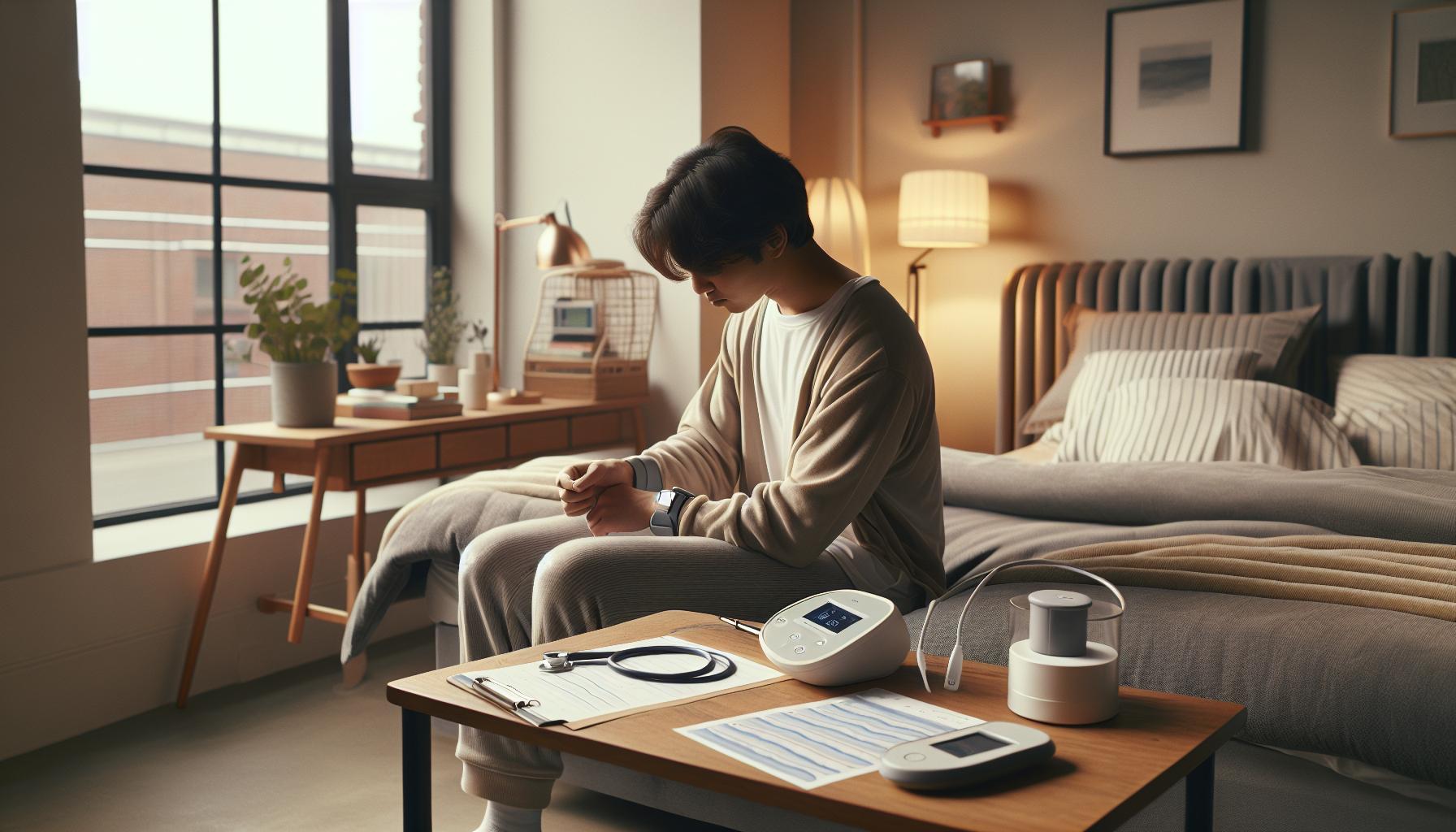
Why Choose a Home Sleep Study? Benefits Explained
Choosing a home sleep study can feel like a step into a new realm of convenience and personal health monitoring. For many, the thought of sleeping in a medical facility can be daunting, yet the beauty of a home sleep study lies in its simplicity and familiar comfort. Imagine being able to undergo a sleep evaluation in your own bed, surrounded by your pillow and blankets, which can significantly reduce anxiety and lead to more natural sleep patterns-a crucial factor in accurate testing.
The benefits of opting for a home sleep study are manifold. First, cost-effectiveness stands out as a major advantage. Home sleep tests are often less expensive than traditional in-lab studies, making them a more accessible choice for many patients. This affordability, coupled with the ease of obtaining a prescription via a telehealth consultation, streamlines the process for those looking to understand their sleep health without the financial strain. Additionally, studies have shown that home sleep tests can yield similar diagnostic value to in-lab tests for conditions like obstructive sleep apnea (OSA), allowing patients to receive quality care without unnecessary hurdles.
Moreover, home sleep studies are designed with user-friendliness in mind. Most devices are compact, lightweight, and come with user-friendly interfaces that require minimal setup. Patients often find that wearing a small monitor with non-invasive sensors during sleep is less disruptive than they anticipated. As a result, they can continue their usual bedtime routines while the device collects essential data on their sleep patterns, breathing, and heart rate, all from the comfort of their room.
Additionally, the potential for improved data accuracy cannot be overlooked. Natural sleep behavior, experienced in a familiar environment, often produces more reliable results than those captured in a sterile lab setting. This shift not only helps with accurate diagnoses but also empowers patients with a better understanding of their sleep issues. Thus, for those experiencing signs of sleep disturbances, a home sleep study can be an effective first step towards regaining control over their night’s rest.
In sum, embracing a home sleep study not only alleviates the stresses associated with traditional sleep assessments but also opens doors to a deeper understanding of your sleep health, ultimately guiding you on a path to improved well-being.
The Essential Equipment for Home Sleep Testing
When considering a home sleep study, it’s crucial to become familiar with the equipment you’ll be using. By demystifying the technology involved, you can feel more comfortable and prepared for your upcoming assessment. Home sleep testing typically employs lightweight, portable devices designed to monitor essential bodily functions while you sleep, all from the comfort of your own bed.
Most commonly, a home sleep study will utilize a portable monitor that tracks various physiological parameters. This often includes:
- Breathing Patterns: Monitors may feature sensors that track airflow through your nose and mouth to assess apnea events.
- Heart Rate: Heart monitoring sensors help evaluate your heart’s performance during different sleep stages.
- Oxygen Levels: A pulse oximeter is typically attached to your fingertip to measure blood oxygen saturation, crucial for detecting sleep apnea.
- Body Position: Some devices include measures to note your sleeping position, which can impact conditions like positional sleep apnea.
While the setup for home sleep testing is user-friendly, it’s important to familiarize yourself with the equipment beforehand. Most devices come with clear, step-by-step instructions, and many are designed to be intuitive, often requiring minimal configuration. In some cases, you may only need to wear a small belt around your chest for respiratory monitoring and place sensors on your fingers and face.
Certain advanced devices even incorporate technology that can sync with smartphone applications, allowing you to track your sleep patterns in real time and receive instant feedback, which can be valuable for discussions with your healthcare provider.
When preparing for your study, don’t hesitate to reach out to your healthcare team if you have questions about the equipment or how to optimize your setup. Making sure you understand how everything works will help alleviate any anxiety associated with wearing the device at night and contribute to obtaining the most accurate results possible. Understanding the capabilities and limitations of the device can empower you to make informed decisions about your sleep health.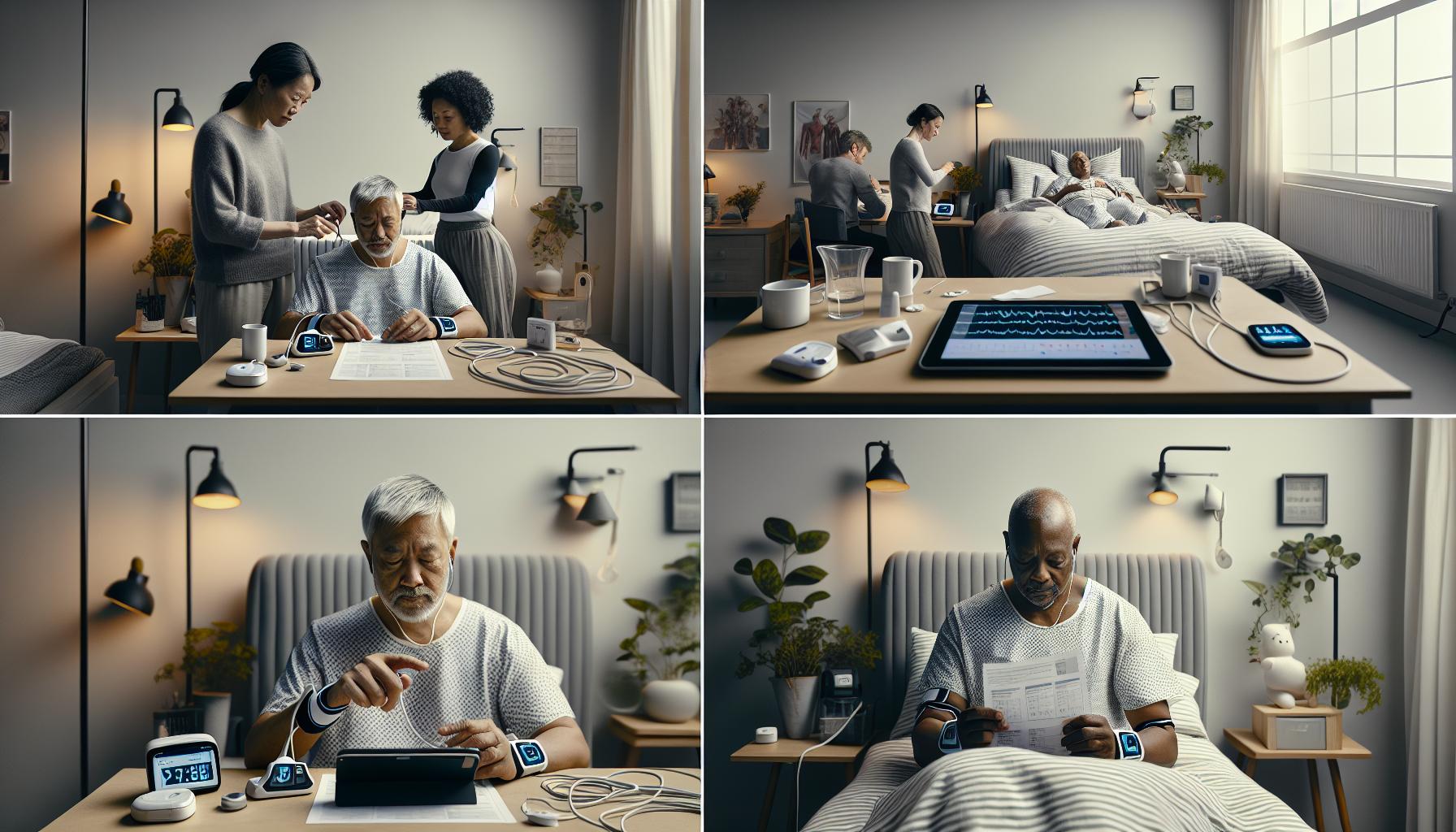
Step-by-Step Process of a Home Sleep Study
Embarking on a home sleep study can feel a bit overwhelming, especially if it’s your first time. However, understanding the step-by-step process can help alleviate anxiety and ensure you’re prepared for a successful assessment. Here’s how the process typically unfolds, guiding you through everything from preparation to follow-up.
To start, your healthcare provider will determine if a home sleep study is appropriate for you, often related to symptoms of sleep disorders like sleep apnea. If approved, you’ll receive a portable monitor, which usually includes sensors for breathing, heart rate, oxygen levels, and body position. Familiarize yourself with this equipment by reading the provided instructions thoroughly-most are designed for easy use and setup.
On the night of the study, create a comfortable sleeping environment. Make sure the room is dark and quiet, as these factors can significantly impact your sleep quality. Before you go to bed, you’ll put on the monitoring equipment. This often involves placing sensors on your fingertips and placing a belt around your chest or abdomen to monitor your breathing and heart rate.
Once you’re all set up, it’s time to sleep! The device will collect data throughout the night, including how many times you stop breathing, how well your heart performs, and how much oxygen is in your blood. It’s recommended to try to sleep in your usual position to ensure that the data collected reflects your typical sleep pattern. In the morning, simply remove the device and return it as instructed.
After the study, your healthcare provider will analyze the data collected to interpret your sleep patterns and identify any potential disorders. This comprehensive assessment can provide valuable insights and guide subsequent treatment options. Remember, the goal of the home sleep study is to help you better understand your sleep health, leading you to make informed decisions on the next steps toward better sleep.
Setting Up Your Sleep Study: A Complete Guide
Setting up for a home sleep study can initially feel daunting, but understanding the steps involved can make the process smoother and less intimidating. The goal of this test is to gather precise data on your sleep behavior and potentially identify any sleep disorders such as sleep apnea, all while allowing you to rest in your own home environment.
First, it’s essential to familiarize yourself with the equipment provided. Typically, you will receive a portable monitoring device that encompasses various sensors to track key physiological signals. These might include sensors for measuring your breathing, heart rate, oxygen levels, and body movement. Before the night of the study, take time to read the instructions thoroughly. Most devices are designed for simplicity, but knowing how to properly attach the sensors and what to expect can boost your confidence.
On the evening of the sleep study, ensure your sleeping environment is conducive to rest. This means turning off bright lights and minimizing noise as much as possible. Remember, creating a dark and quiet setting will enhance your sleep quality, which is crucial for accurate results. When it’s time to sleep, put on the monitoring equipment as instructed. Typically, this will involve placing sensors on your fingers and securing a belt around your chest or abdomen. Following these steps carefully will help ensure that the device can accurately capture your sleep patterns.
After securing the monitoring device, allow yourself to relax and fall asleep in your usual position. The collection of data will begin automatically. It’s recommended to stick to your normal sleep routine as closely as possible to guarantee that the information gathered reflects your typical sleeping habits. Upon waking, simply remove the device and return it according to the instructions provided. Your healthcare provider will then analyze the data to assess your sleep health, helping you take informed steps moving forward. Embrace this opportunity to learn more about your sleep habits, as understanding your sleep health can lead to significantly improved quality of life.
What to Expect During Your Home Sleep Study
As you prepare for your home sleep study, excitement and anxiety can mix. You’re about to embark on a journey into understanding your sleep patterns and potential disorders like sleep apnea. Knowing what to expect can greatly ease your nerves and enhance the accuracy of the study.
The night of the study, you’ll wear a small, portable monitoring device that gathers critical data about your sleep. This device typically includes various sensors that track your breathing, oxygen levels, heart rate, and even your body movements during sleep. While it may feel a little strange to wear these sensors, remember that they are designed for comfort and ease of use. Most importantly, stick to your usual sleeping position as this will yield the most reliable results.
As you lie down to sleep, a few essential factors come into play. Firstly, creating a restful environment is crucial-dim the lights, reduce noise, and make your bed cozy. Trust in the equipment’s ability to document your natural sleep cycle; it will start gathering information as you drift off. During the night, the device will monitor various sleep metrics, such as how often you stop breathing or your sleep quality across different sleep stages. When morning comes, simply detach the device and return it as instructed, ready for your healthcare provider to analyze the data.
While the thought of monitoring your sleep might feel awkward, remember that this is a vital step in understanding your sleep health. It’s not just about gathering numbers; it’s about uncovering insights that can lead to better sleep quality and overall wellness. By staying relaxed and following the setup instructions carefully, you’re setting the stage for a successful study to help you learn more about your sleep patterns and any potential issues you may face.
Interpreting Your Sleep Study Results
Interpreting the results of your home sleep study can be both enlightening and overwhelming. The data collected during your night of sleep provides critical insights into your sleep patterns and potential disorders, such as obstructive sleep apnea (OSA). Rather than merely presenting numbers, your results will reflect various metrics associated with your sleep health.
To begin with, it’s essential to understand the key components in your sleep study report. Most commonly, the results will include metrics like:
- AHI (Apnea-Hypopnea Index): This number indicates the severity of sleep apnea, calculated based on the number of times you experience apneas (pauses in breathing) or hypopneas (shallow breathing) per hour of sleep. An AHI of 5 to 15 signifies mild sleep apnea, 15 to 30 indicates moderate, and above 30 indicates severe.
- Oxygen Saturation Levels: This measures the percentage of oxygen in your blood throughout the night. Levels consistently below 90% may suggest significant breathing issues.
- Sleep Stages: Understanding how much time you spend in each stage of sleep-light, deep, and REM-can help illustrate the overall quality of your sleep.
Your healthcare provider will analyze these metrics, looking for patterns that can paint a clearer picture of your sleep behavior. Factors such as how often breathing stops and the lengths of these stoppages are crucial. While home sleep tests provide valuable data, they do not capture the full scope of clinical overnight polysomnography, which can look into brain activity, muscle tone, and eye movements. Therefore, if results suggest significant issues, a follow-up with more comprehensive testing may be necessary.
Discussing the findings with your healthcare provider is a vital next step. They can help translate the results into actionable advice, suggest treatment options, or recommend lifestyle changes you might consider. It’s important to remember that your results are just the starting point of a larger conversation about your health, and being proactive can empower you to take charge of your sleep health journey.
Common Sleep Disorders Diagnosed by Home Studies
Sleep disorders can significantly impact your overall health and quality of life. Home sleep studies, designed to identify conditions like obstructive sleep apnea, have gained popularity due to their convenience and effectiveness. Understanding the various sleep disorders that can be diagnosed through these at-home tests can empower you to seek appropriate treatment and improve your sleep health.
Obstructive sleep apnea (OSA) is the most common condition diagnosed through home sleep studies. This disorder occurs when the muscles in the throat relax excessively, leading to blockages in the airway, causing interruptions in breathing. Symptoms often include loud snoring followed by periods of silence when the person stops breathing, leading to potential daytime sleepiness. The home sleep test provides vital metrics, such as the Apnea-Hypopnea Index (AHI), which help determine the severity of OSA.
Another condition that can be identified is central sleep apnea, which differs from OSA in that the brain fails to signal the muscles to breathe, often linked with underlying health issues like heart failure or stroke. This condition may not be as easily diagnosed with standard home tests as it requires a more nuanced understanding of respiratory patterns.
Restless legs syndrome (RLS) and periodic limb movement disorder (PLMD) can also be assessed. RLS is characterized by uncomfortable sensations in the legs and an uncontrollable urge to move them, disrupting restful sleep. PLMD involves involuntary movements during sleep, which can lead to fragmented and poor-quality sleep. While these disorders can sometimes be monitored at home, a comprehensive evaluation might still be necessary.
It’s crucial to remember that home sleep studies primarily focus on certain parameters and may not capture the full range of sleep behaviors. They are not a one-size-fits-all solution. If symptoms persist or if there are additional complexities in your sleep patterns, a polysomnography (in-lab sleep study) may be recommended for a complete evaluation.
Being aware of these common sleep disorders can help you recognize symptoms early and facilitate communication with your healthcare provider, ultimately leading you toward the right path for diagnosis and treatment. Understanding your sleep health is the first step in achieving better, more restorative sleep.
Comparing Home Sleep Studies to In-Lab Tests
The choice between home sleep studies and in-lab tests can significantly influence your approach to diagnosing and managing sleep disorders. Home sleep studies have surged in popularity as they bring convenience, cost-effectiveness, and comfort to patients who might otherwise find traditional overnight labs intimidating. However, understanding what both methods offer is crucial for making an informed decision about your sleep health.
Home sleep studies primarily focus on detecting obstructive sleep apnea (OSA) through a simplified setup that requires minimal equipment. Typically, patients wear a portable device that monitors key indicators such as airflow, oxygen saturation, and heart rate while they sleep in the comfort of their own homes. This option can be particularly appealing for individuals who may feel anxious in a clinical environment or have trouble falling asleep in an unfamiliar setting. Nevertheless, this convenience comes with limitations. Home tests often lack the comprehensive data captured in a laboratory, such as brain waves, which can provide deeper insights into various sleep disorders.
In contrast, polysomnography, or in-lab tests, offer a complete picture of sleep health. Controlled by trained professionals in a comfortable sleep center, these studies can observe multiple variables, including REM sleep stage, limb movements, and breathing patterns, providing a comprehensive overview of an individual’s sleep architecture. This extensive data can be invaluable for diagnosing more complex conditions like central sleep apnea or various sleep disorders that require nuanced interpretations that home tests may not capture. For those who have not found clarity through home testing or have ongoing sleep issues, an in-lab study may be a recommended next step.
When deciding between the two, consider factors such as cost, testing comfort, and the complexity of symptoms. Home tests usually cost less and can be done without taking time off from work, but they may not be suitable if you’re experiencing a range of sleep issues or have significant comorbidities. For straightforward cases of suspected OSA, a home study is often sufficient; however, if symptoms persist or additional sleep disorders are suspected, consulting a sleep specialist with an in-lab evaluation can yield more definitive answers.
In summary, while home sleep studies offer convenience and ease of use, they may not replace in-lab tests for more complex evaluations. Understanding the strengths and limitations of each method is key to optimizing your approach to sleep health.
Insurance Coverage for Sleep Studies: What You Need to Know
Understanding how insurance coverage works for sleep studies can significantly alleviate the stress of navigating testing options and out-of-pocket expenses. Many people are surprised to learn that most health insurance plans cover sleep studies, including at-home versions, especially when they are deemed medically necessary. However, coverage can vary widely depending on your provider, your plan specifics, and the protocol followed by your healthcare provider.
Common Coverage Scenarios
Here are a few factors that typically influence insurance coverage for sleep studies:
- Medical Necessity: Insurance companies often require proof that the study is necessary. This typically involves a physician’s referral or recommendation based on symptoms such as excessive daytime sleepiness or observed snoring.
- In-Network vs. Out-of-Network: If your sleep study is performed at an in-network facility, you may incur lower out-of-pocket expenses. Always check if your provider has a preferred list of facilities.
- Type of Study: Coverage can differ between a home sleep study (HST) and a polysomnography (PSG) in a sleep lab. HSTs are often less expensive and may be more readily approved by insurers.
Steps to Confirm Coverage
To ensure a smooth process and avoid unexpected costs, consider the following steps before proceeding with any sleep study:
- Check Your Insurance Policy: Review your policy documents or contact your insurer to understand what sleep studies are covered, any required pre-authorization, and your copay or deductible.
- Consult with Your Doctor: Discuss your symptoms transparently and ask for a detailed referral that explains why a sleep study is recommended. This can help in getting the necessary approval.
- Pre-Authorization: Some insurance plans require pre-authorization for sleep studies. Make sure this is obtained to avoid denial of coverage afterward.
Potential Costs
While costs can vary, a home sleep study typically ranges from $200 to $600 if paid out-of-pocket, whereas in-lab studies can cost more, often between $1,000 and $3,000. However, knowing your insurance benefits could significantly reduce these amounts.
By understanding the intricacies of insurance coverage and preparing accordingly, you can manage your sleep health journey more effectively and focus on finding the right diagnosis and treatment without the added stress of financial uncertainty.
Addressing Common Concerns About Home Sleep Studies
Many individuals feel apprehensive about undergoing a home sleep study, often questioning its accuracy and comfort in comparison to traditional lab tests. One common concern is whether the technology used in home tests can effectively diagnose sleep disorders like sleep apnea. It’s important to understand that while at-home sleep tests (HST) are simpler and more convenient, they can still provide valuable insights into your sleep patterns and help identify significant issues that require attention.
When preparing for an HST, it’s natural to worry about how to use the equipment correctly. Most home sleep study kits include user-friendly devices designed for non-experts. Before your study, providers typically offer clear instructions on how to wear and operate the equipment. It’s advised to take these guidelines seriously-getting the setup right is crucial for accurate data collection. Additionally, familiarity with the device can alleviate anxiety; many patients find that once they adjust to wearing the equipment, they sleep just as well as they normally would.
Another concern is the potential discomfort of wearing monitoring devices overnight. While some patients report minor inconveniences, such as feeling a bit bulky, most find that with a few adjustments, they can settle into a restful night’s sleep. Remember, these devices often have been engineered for a balance of functionality and comfort. Many users have had a positive experience, noting that the opportunity to sleep in their own bed helps them relax, leading to more natural sleep patterns compared to a clinical environment.
Finally, it’s crucial to discuss any lingering concerns with your healthcare provider. They can provide reassurance and clarify any misconceptions about the procedure. By understanding the equipment’s capabilities and limitations, and with proper guidance and support, you can approach your home sleep study with confidence, feeling empowered in your journey towards better sleep health.
Tips for Getting Accurate Results During Your Study
Getting accurate results during your home sleep study is essential for effective diagnosis and treatment of any potential sleep disorders. To ensure the data collected is reliable, there are a few practical tips you can follow before and during the study.
First, prepare your sleeping environment. Aim for a dark, quiet, and comfortable space. Use blackout curtains to minimize light and consider white noise machines or earplugs if you live in a noisy area. The more your sleep environment mimics your regular conditions, the more reliable your results will be.
Ensure that you follow all instructions provided by your healthcare provider regarding the setup and operation of the testing equipment. Most home sleep kits come with user-friendly instructions, but don’t hesitate to reach out for clarification if something isn’t clear. Additionally, become familiar with the device prior to the night of the study; this will help reduce anxiety and make you more comfortable wearing it.
Another crucial tip is to maintain your typical sleep schedule leading up to the study. Going to bed and waking up at your usual times can help ensure that your sleep patterns are consistent and accurately represented in the test data. Avoid substances such as caffeine or alcohol on the night of the study, as they can significantly impact your sleep quality and overall results.
Lastly, document any medications you are currently taking. Inform your healthcare provider about any sleep aids or other medications that might affect your sleep. They may want to adjust your routine or provide specific guidance based on this information.
By taking these steps, you can help ensure that your home sleep study provides the most accurate and useful information for evaluating your sleep health.
Frequently Asked Questions
Q: What equipment is used for a home sleep study?
A: A home sleep study typically involves using lightweight, portable devices that monitor various physiological signals. Common equipment includes a nasal cannula for airflow, a pulse oximeter for oxygen levels, and chest straps to track heart rate and breathing. This equipment is easy to set up and allows for comfortable overnight use.
Q: How do I prepare for a home sleep study?
A: Preparing for a home sleep study involves several steps: avoid caffeine and alcohol before the test, maintain your regular bedtime routine, and ensure the testing environment is conducive to sleep. Following these guidelines enhances test accuracy and helps you get a restful night’s sleep.
Q: When should I consider a home sleep study?
A: Consider a home sleep study if you experience symptoms of sleep apnea, such as loud snoring, gasping for air during sleep, or excessive daytime fatigue. Additionally, if a healthcare provider recommends testing for sleep disorders, a home sleep study is a convenient option.
Q: How long does a home sleep study take?
A: A home sleep study typically lasts one night. Patients wear the equipment overnight while they sleep, and the test records sleep patterns and physiological data, which are then analyzed by healthcare professionals.
Q: Can I eat or drink before a home sleep study?
A: Yes, you may eat or drink before a home sleep study, but it’s advisable to avoid heavy meals and caffeine. A light dinner is recommended to ensure comfort during the night and improve the likelihood of a restful sleep.
Q: How are the results from a home sleep study interpreted?
A: Results from a home sleep study are analyzed by a healthcare professional who looks for indicators of sleep apnea and other sleep disorders. They assess data on airflow, breathing patterns, and oxygen levels to diagnose potential issues.
Q: What should I do if I have trouble sleeping during the study?
A: If you have trouble sleeping during the study, try to relax and stick to your usual bedtime routine as much as possible. If anxiety persists, contact your healthcare provider for advice. Some strategies include deep breathing exercises and creating a comfortable sleep environment.
Q: Is a home sleep study covered by insurance?
A: Many insurance plans do cover home sleep studies, but coverage can vary. It’s important to check with your insurer regarding specific policy details and whether a referral from a healthcare provider is required for approval.
To Wrap It Up
In summary, understanding the process of a home sleep study can empower you to take control of your sleep health. It’s a convenient and effective way to diagnose potential sleep disorders from the comfort of your own home without the hassle of overnight lab stays. If you’re experiencing sleep issues, don’t wait-consider a home sleep study today. For more insights, explore our articles on symptoms of sleep apnea and tips for optimizing your sleep environment.
Ready to learn more? Check out our guide on how to set up your sleep study equipment or dive into the benefits of wearables for monitoring sleep. We’re here to help you navigate your sleep journey with confidence. If you have questions or need further information, feel free to reach out! Join our newsletter for expert tips and the latest in sleep health news, and take the first step toward better sleep today. Remember, your sleep is vital-let’s make it the best it can be!
Get our latest guides, news, and insights highlighted in your Google Search & AI Overviews.