
Did you know that nearly one in three adults report frequent sleep disturbances? For many, understanding their sleep patterns is the first step toward better sleep health-and you can start this journey right from the comfort of your home. Whether you struggle with insomnia, snoring, or restless nights, home sleep studies offer a practical solution to assess your sleep quality without the need for an overnight stay in a clinic. This guide will walk you through the essentials of conducting a sleep study at home, helping you make informed decisions about your sleep health. From setting up the necessary equipment to interpreting your results, you’ll gain the tools needed to uncover valuable insights about your sleep habits. Ready to take control of your sleep? Let’s dive in!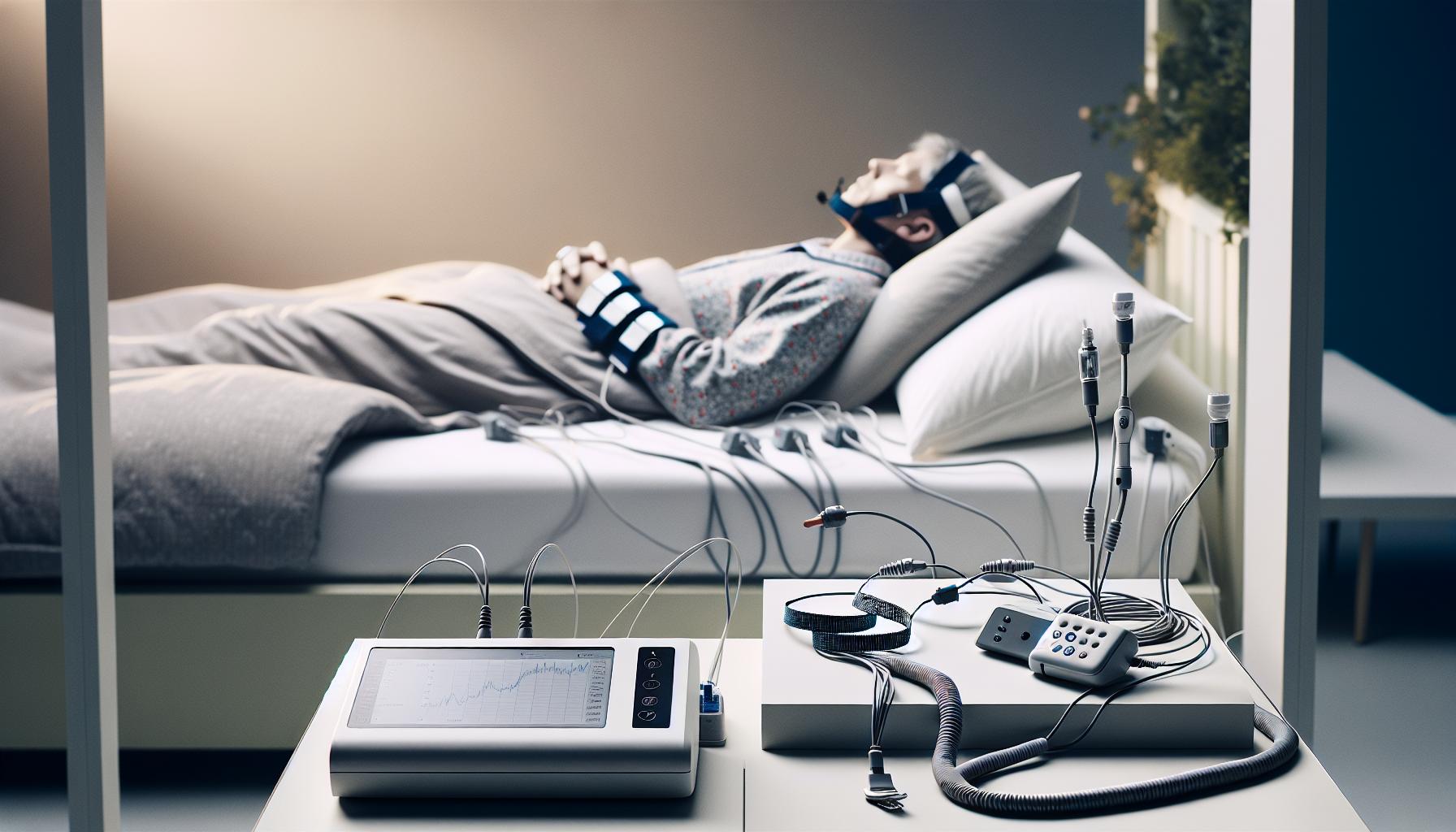
How Home Sleep Studies Work: An Overview
A home sleep study provides a convenient way for individuals to monitor their sleep patterns and breathing issues from the comfort of their own bed. Unlike traditional in-lab sleep tests that require overnight stays in a medical facility, these at-home tests utilize portable equipment designed to gather important data on your sleep without disrupting your routine. Typically, a home sleep study will track parameters such as your breathing patterns, oxygen levels, heart rate, and airflow – all critical metrics in diagnosing conditions like sleep apnea.
The process begins when you obtain a sleep monitoring device, which is often provided by a healthcare professional. This device usually consists of a few simple components that are easy to set up and operate. You wear sensors on your body that collect data throughout the night. While the technology isn’t as comprehensive as a full polysomnography test done in a lab, it’s effective for identifying specific sleep disorders. Home devices may not capture certain nuances of sleep architecture, but they can still be invaluable for initial assessments.
For many, one significant advantage of conducting a sleep study at home is cost-effectiveness. In-lab tests can be expensive and may not be covered by all insurance plans, while home studies often present a more affordable option. Additionally, the relaxed environment of your own home can lead to more natural sleep patterns, providing a more accurate picture of your typical nighttime behavior. Overall, home sleep studies represent a practical solution for those seeking to understand their sleep health better and identify any potential issues without the stress of a lab environment.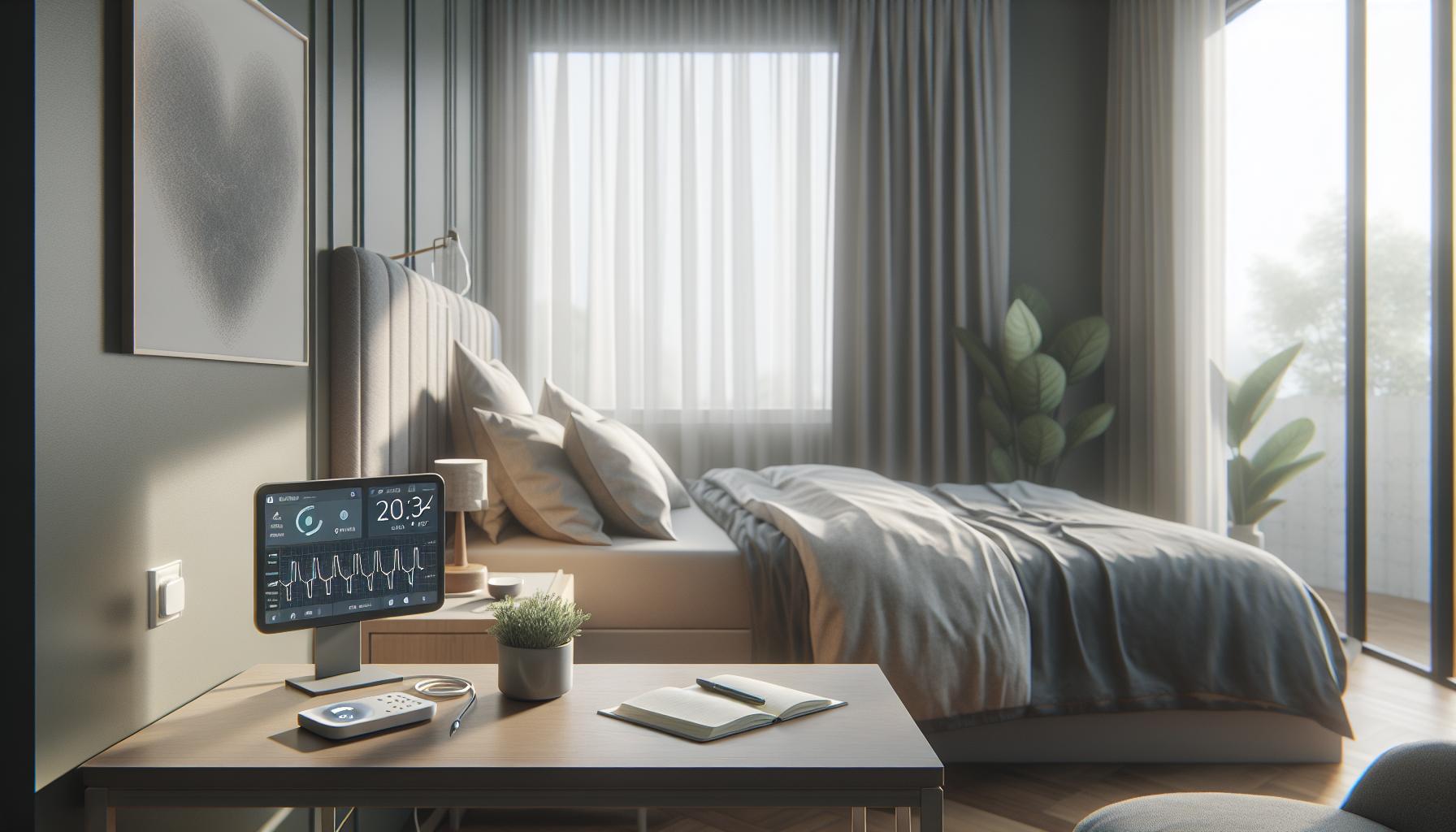
Benefits of Conducting a Sleep Study at Home
Conducting a sleep study at home offers a unique blend of convenience and comfort that can significantly enhance your sleep assessment experience. Imagine being able to monitor your sleep patterns and breathing from the cozy familiarity of your own bed, free from the stress and constraints of a clinical environment. This accessibility reduces anxiety and allows you to rest as you typically would, leading to more reliable data that reflects your true sleep behavior. Plus, home sleep studies can track vital signs like breathing, heart rate, and oxygen levels in ways that provide immediate insights, making it easier to identify potential concerns like sleep apnea.
One of the most compelling advantages of home sleep testing is the cost-effectiveness it offers. Traditional in-lab studies can be prohibitively expensive, depending on your insurance coverage, and may require many diagnostic visits. In contrast, home studies are typically more affordable, eliminating extra costs associated with hospital stays and additional medical fees. This economic benefit, combined with the comfort of conducting tests at home, makes this option appealing for many individuals who want to take charge of their sleep health without incurring significant financial burdens.
Moreover, modern wearable devices and portable monitoring equipment have improved dramatically over the years, allowing for accurate and detailed tracking of your sleep. Many of these devices are user-friendly and require minimal setup, making it easier than ever to get started. You simply attach sensors to your body and go to sleep as you normally would. Most devices also come with intuitive apps that summarize your results, making it straightforward to interpret your data. This accessibility invites anyone curious about their sleep quality to engage with their health actively, while also equipping them to discuss outcomes with their healthcare provider confidently.
Lastly, a home sleep study enables you to gather preliminary data without making a long-term commitment. If after your initial study, you find that further evaluation is necessary, your doctor can recommend whether an in-laboratory study is needed for a more comprehensive analysis. This step-by-step approach empowers you to understand your sleep health progressively while ensuring that you are not overwhelmed by invasive procedures unless absolutely necessary. For anyone looking to explore their sleep issues more comfortably and affordably, a home sleep study can be one of the best first steps.
Key Differences: Home Sleep Tests vs. In-Lab Studies
When considering a sleep study, understanding the differences between home sleep tests and in-lab studies is crucial for making informed decisions about your health. Home sleep tests (HST) are designed to diagnose conditions like obstructive sleep apnea (OSA) in a more comfortable and familiar setting-your own bed. They use portable devices that monitor key physiological signals such as breathing patterns, oxygen levels, and heart rate. In contrast, traditional in-lab sleep studies, known as polysomnography, are conducted overnight in a sleep clinic where patients are connected to multiple sensors and observed closely by sleep technicians.
One significant distinction resides in the cost and convenience. Home sleep tests tend to be more affordable, often requiring no additional fees for hospital services. You simply follow the provided instructions, place the device on your body, and sleep as you usually do. This ease of use can encourage more people to pursue sleep evaluations without the anxiety often associated with a hospital environment. In-lab studies, while often more detailed, can be costly and involve lengthy wait times for appointments, potentially leading to delays in diagnosis and treatment.
The data collected also varies between the two methods. While home tests can effectively diagnose sleep apnea, they may not capture the comprehensive data available in polysomnography, which assesses various sleep stages and disorders beyond just apnea, such as sleep paralysis or REM behavior disorder. Therefore, if initial home testing indicates more severe issues or if a comprehensive diagnosis is needed, a doctor may recommend an in-lab study for more in-depth analysis.
Moreover, setup and monitoring are different in each scenario. Home testing devices typically require minimal setup and can be operated independently, eliminating the need for an overnight stay in a lab. Conversely, in-lab studies involve multiple sensors and expert oversight, providing an immediate and comprehensive analysis during the participant’s sleep. However, this also introduces variables, such as the unnatural environment or the presence of medical staff, which may impact the quality of a patient’s sleep.
In summary, the choice between home sleep tests and in-lab studies hinges on your specific needs and circumstances. Both methods have their merits, and understanding the differences can help you navigate the path toward improved sleep health effectively.
Choosing the Right Wearable Device for Sleep Monitoring
Choosing the right wearable device for monitoring sleep can feel daunting, but understanding potential features and benefits can simplify your journey to better sleep health. With various options available, the key factors to consider include the device’s functionality, comfort, and how it aligns with your specific sleep concerns. Many modern wearables offer advanced tracking capabilities, such as monitoring heart rate, oxygen levels, and sleep stages, providing you with valuable insights into your sleep patterns.
When evaluating devices, look for wearables that utilize reliable sensors and provide easy-to-understand data. Some popular options include smartwatches and dedicated sleep trackers. Devices like the Fitbit and Apple Watch can monitor not only sleep but also your overall health-tracking activity levels and heart rate throughout the day. Alternatively, products specifically designed for sleep, like the Oura Ring, focus solely on sleep metrics and are often less intrusive during the night.
To make an informed decision, consider the following features that may enhance your sleep study:
- Comfort: A lightweight and comfortable design is crucial for uninterrupted sleep.
- Battery Life: Longer battery life means less frequent charging, allowing for consistent tracking without interruptions.
- Data Accuracy: Look for devices with solid reviews regarding the accuracy of sleep data, as precision is essential for effective analysis.
- Mobile App Integration: A user-friendly app that synthesizes your data can provide deeper insights and help track trends over time.
As you explore your options, don’t overlook the potential limitations of wearables. For instance, while many devices can diagnose common sleep issues like sleep apnea, they may lack the comprehensive evaluation of a polysomnography study conducted in a lab. It’s also important to ensure that the wearable you choose aligns with your comfort level and is easy to set up and use, so you can focus on getting a good night’s sleep rather than troubleshooting tech issues.
Ultimately, the right wearable can empower you to take control of your sleep health. By offering actionable insights, these devices can assist in identifying patterns, helping you collaborate more effectively with healthcare providers should you need further evaluation or testing.
Step-by-Step Guide to Setting Up Your Sleep Study
Setting up a home sleep study can seem daunting, but with a few simple steps, you can create an environment conducive to accurate results while maximizing your comfort. Home sleep studies typically involve using a portable device that measures variables like your breathing patterns, heart rate, and blood oxygen levels. Here’s how to set up your sleep study efficiently.
Start by contacting your healthcare provider to discuss your symptoms and get a prescription for a home sleep study. They’ll choose the right device based on your needs and ship it to your home, often accompanied by detailed instructions. Once you receive your device, allocate time to familiarize yourself with it. Read the user manual thoroughly to understand how to wear the sensors and how the device records your data. Most devices consist of a pulse oximeter that clips onto your finger and a nasal cannula or chest strap that tracks your breathing.
Prepare Your Sleep Environment
Creating a sleep-friendly environment is critical for the accuracy of your sleep study results. Ensure that your bedroom is dark, quiet, and at a comfortable temperature. Reduce potential disturbances by keeping your phone on “Do Not Disturb” mode and informing anyone else in your household about your study night. It’s beneficial to maintain your regular sleep schedule leading up to the study, as well. Limit caffeine and alcohol intake the day before to promote natural sleep cycles.
Next, it’s time to set up the device. Most home sleep study devices require you to wear a small belt and attach sensors to your body. Make sure to position these correctly to get accurate readings. Follow the instructions for securing the nasal cannula or chest strap comfortably without causing discomfort. Practice wearing the device for a short period before your test night to ensure you’re accustomed to it.
Before going to bed, conduct a quick checklist to ensure everything is ready:
- Charged device
- Correct sensor placement
- Comfortable sleep position
- Adjusted sleep environment (dark, quiet, cool)
Finally, ensure you fill out any pre-study questionnaires your provider requires. They may ask about your sleep habits, medical history, and symptoms you’re experiencing. After you’ve completed your home study, return the device according to the instructions provided, typically within a designated post-paid envelope.
By following these steps, you can set yourself up for an effective home sleep study experience, paving the way for valuable insights into your sleep patterns and overall health.
Common Sleep Disorders and Testing Needs
Sleep disorders are more common than you might think, affecting millions of people worldwide. Understanding these conditions is the first step towards effective treatment, and for many, a home sleep study can play a crucial role in diagnosis and management. The most frequently tested disorders include obstructive sleep apnea (OSA), central sleep apnea, insomnia, and restless legs syndrome (RLS). Each of these conditions presents unique symptoms that can significantly impact daily life.
Obstructive Sleep Apnea (OSA) is characterized by repeated interruptions in breathing during sleep due to the relaxation of throat muscles. Symptoms can include loud snoring, gasping for air during sleep, and excessive daytime sleepiness. If you suspect you have OSA, a home sleep apnea test can help confirm the diagnosis by monitoring your breathing patterns, blood oxygen levels, and heart rate throughout the night. Home tests are often preferred because they are more convenient and cost-effective compared to in-lab polysomnography.
Insomnia is another prevalent issue, often manifesting as difficulty falling asleep, staying asleep, or waking up too early. While insomnia is typically identified through patient questionnaires and sleep diaries, combining these with a sleep study can provide additional insights, particularly if other sleep disorders are suspected. Although home testing for insomnia isn’t as common, keeping a detailed record of your sleep habits and patterns can be invaluable when consulting with a healthcare provider.
Restless Legs Syndrome (RLS) involves uncomfortable sensations in the legs, leading to an irresistible urge to move them, often disrupting sleep. Due to the nature of RLS, a home sleep test might not directly diagnose it but can reveal patterns of disrupted sleep that warrant further investigation.
Recognizing the symptoms of common sleep disorders and understanding the testing needs is crucial. If you experience excessive snoring, daytime fatigue, or difficulty falling asleep, it may be time to consult with a healthcare professional about a home sleep study. These studies can empower you by delivering vital information about your sleep health in the comfort of your own home, paving the way toward improved sleep and overall well-being.
Interpreting Your Sleep Study Results
Understanding the results of your home sleep study can feel overwhelming, yet it is a crucial step toward improving your sleep health. Once the data collected during your testing night has been analyzed, you’ll receive a report detailing various metrics, including your breathing patterns, oxygen levels, heart rate, and sleep stages. These elements provide valuable insights into your sleep quality and can indicate potential disorders like obstructive sleep apnea (OSA) or insomnia.
Key Metrics to Look For
When interpreting the results, focus on the following metrics:
- Arousal Index: This indicates how often you woke up or were stirred from your sleep, impacting overall sleep quality.
- Apnea-Hypopnea Index (AHI): A key measure for diagnosing OSA, it counts the number of apneas (complete pauses in breathing) and hypopneas (partial reductions in breathing) per hour.
- Oxygen Saturation Levels: This should ideally remain above 90%. Significant drops can indicate issues like OSA, which needs attention.
- Total Sleep Time: Knowing how long you actually slept versus how long you were in bed is crucial for understanding your sleep patterns.
Understanding Your Findings
As you review your report, it may be tempting to jump to conclusions. Remember that elevated AHI or low oxygen levels by themselves don’t automatically mean you have a disorder. Consult a healthcare professional to discuss your findings in detail, as they can help interpret them in the context of your overall health and sleep habits.
If the results suggest a condition like OSA, your doctor may recommend treatment options that can range from lifestyle changes to continuous positive airway pressure (CPAP) therapy. Understanding the limitations of home sleep testing is vital as well; while they are effective for OSA, they may not capture the full picture of issues such as insomnia or restless legs syndrome, which might require further evaluation through traditional in-lab testing.
In summary, take your time with the report, gather your thoughts, and prepare questions for your healthcare provider. This proactive approach will not only clarify your results but also empower you to take the necessary steps for better sleep health.
Troubleshooting Common Issues with Home Equipment
When embarking on a home sleep study, encountering technical issues with your equipment can be frustrating. However, understanding common problems and their solutions can help ensure an effective testing process. Whether it’s your wearable device not syncing or your sleep monitor not providing accurate readings, addressing these issues promptly can enhance the quality of your results and reduce anxiety about the study.
First and foremost, if your device won’t connect or sync, make sure that Bluetooth is enabled and that you’re within the required distance for connection. Sometimes, simply restarting the device or your smartphone app can resolve the issue. If the problem persists, consider checking for updates in your app or device firmware. Compatibility is also key; ensure that your smartphone support corresponds with your sleep monitoring device.
Another essential aspect is ensuring that all components are correctly placed and functioning. For wearable devices, confirm that they are worn as directed, with sensors aligned properly against your skin. Misplacement can lead to inaccurate data regarding your heart rate or movement. If you notice discrepancies in the readings, such as unusual spikes or drops, reassess the fit of the device. Some wearables come with calibration features; use them if available to enhance accuracy.
Lastly, be aware of potential environmental factors impacting the performance of your equipment. Poor Wi-Fi connectivity might hinder data transfer if your device depends on an internet connection for functionality. Create a conducive sleep environment by minimizing noise and light interference, which can also affect the sensors’ performance. If problems arise during the actual study night, remain calm and have a troubleshooting checklist ready. This proactive approach allows you to identify issues quickly, alleviating unnecessary stress as you focus on obtaining accurate results for better sleep health.
What to Expect During Your Sleep Study Night
A night of sleep study can feel daunting, but knowing what to expect can make the experience much smoother. On the evening of your home sleep study, you’ll be setting up for a night of monitoring in the comfort of your own bed, allowing you to gather critical data about your sleep patterns without the stress of a clinical setting.
When you begin your study, lay out all your equipment and familiarize yourself with each piece. Most devices will come with clear instructions. Depending on whether you’re using a simple finger clip to monitor oxygen levels or a more advanced wearable device, ensure everything is charged and functioning properly. You’ll typically have to wear sensors or straps that monitor your heart rate, breathing, and movement throughout the night. It’s important to ensure that these devices are securely attached but not too tight to cause discomfort.
As you prepare for bed, take a moment to create the ideal sleep environment. Turn off bright lights, minimize noise, and make sure the temperature in your room is comfortable. Lack of distractions will help you relax and drop off more easily. You might consider engaging in a calming pre-sleep routine, such as reading or practicing breathing exercises, to ease any anxiety about the study. Remember, this is just a tool to help you understand more about your sleep habits.
Throughout the night, focus on your natural sleep patterns. The devices will collect data automatically, so you don’t need to monitor them actively. If you wake up during the night or have trouble falling asleep, try to stay relaxed; anxiety can impact sleep quality, skewing your results. The next morning, simply remove the devices, follow any instructions for returning them or downloading data, and get ready to review your results. Remember, the data collected is a pathway to better understanding your sleep health and what changes you might need to enhance your sleep quality.
Insurance Coverage for Home Sleep Testing
Navigating the landscape of can feel overwhelming, but understanding your options can make a significant difference in your sleep health journey. Home sleep apnea tests (HSAT) are increasingly recognized by insurance providers as a cost-effective way to diagnose sleep disorders like obstructive sleep apnea without the need for an overnight stay in a sleep lab. This shift is primarily due to the convenience, comfort, and reduced costs associated with at-home testing.
Before you schedule your home sleep study, it’s crucial to check with your insurance provider regarding coverage specifics. Many insurance plans cover HSATs, particularly if your primary care physician provides a referral and documents your symptoms, such as heavy snoring or extreme daytime sleepiness. Here are some factors to consider:
- Pre-Authorization: Some insurance companies may require pre-authorization before proceeding with a home sleep test. Be sure to ask your healthcare provider if they can assist you in obtaining this.
- Coverage Limitations: Verify if your policy has any restrictions on the types of sleep studies it covers or if certain conditions must be met to qualify for reimbursement.
- Out-of-Pocket Costs: Even with coverage, you may be responsible for copays or deductibles. Ask about these costs ahead of time to avoid surprises.
After completing your test, the results will typically be reviewed by a sleep specialist, who will then send a report to your insurance company. They will determine whether the findings support the necessity for further treatments, which could also impact your coverage.
Ultimately, investing the time to understand your insurance policy and communicate effectively with your healthcare providers could enhance your journey toward better sleep health. If your insurance does not cover HSATs or if you are uninsured, exploring self-pay options or discussing payment plans with the testing company can be viable alternatives. Prioritize your sleep health; knowing the ins and outs of insurance coverage puts you in a better position to make informed choices about your wellbeing.
Real-Life Scenarios: When to Consider a Sleep Study
If you’ve been struggling with sleep issues, you may wonder when to take the next step and pursue a sleep study. Common indicators can range from persistent fatigue despite full nights of rest to noticeable behaviors like snoring that your partner mentions. Engaging with your symptoms thoughtfully can guide you in deciding whether to initiate a home sleep study.
- Nightly Snoring and Breathing Interruptions: If your sleep is often punctuated by loud snoring or if someone has noticed episodes where you stop breathing, these are significant red flags. These symptoms could indicate obstructive sleep apnea (OSA) and warrant a formal evaluation.
- Chronic Daytime Sleepiness: Feeling excessively tired during the day, especially to the point of needing naps or struggling to stay awake at work, suggests that your sleep quality may be compromised. This is another scenario where a sleep study could provide valuable insights.
- Difficulty Concentrating: When poor sleep starts to affect your memory or concentration levels, it’s essential to investigate the root cause. Cognitive challenges can arise due to insufficient or disrupted sleep cycles.
- Health Conditions: If you have underlying health conditions such as hypertension, heart issues, or diabetes, being proactive about sleep health through testing can improve your overall well-being.
Consider a home sleep study if you’re experiencing these symptoms. A home study is convenient, allowing you to gather data in a familiar setting that may yield valuable information for your healthcare provider. It is essential to consult with your physician regarding symptoms and to discuss the appropriateness of at-home testing versus a more comprehensive evaluation in a sleep lab.
Navigating sleep concerns can feel daunting, but understanding when a sleep study might be beneficial equips you with the knowledge to take charge of your health. Always remember that seeking help is a proactive step towards improving your sleep and overall quality of life.
Expert Tips for Improving Sleep Quality Before Testing
Improving your sleep quality before conducting a home sleep study can significantly influence the accuracy of the results, giving you and your healthcare provider clearer insights into your sleep health. One of the first steps you can take is to establish a consistent sleep routine. Going to bed and waking up at the same time each day helps regulate your body’s internal clock, making it easier to fall asleep and wake up refreshed.
In the days leading up to your sleep study, consider creating a calming bedtime environment. This could include dimming the lights, using blackout curtains, or setting your space to a comfortable temperature. Consider incorporating relaxation techniques such as deep breathing, yoga, or meditation. These practices can reduce anxiety and prepare your mind and body for a restful night. Avoid stimulating activities-including intense exercise, screen time, or consuming caffeine-at least a few hours before bed.
Next, familiarize yourself with the sleep study equipment. Understanding how to properly use any devices will not only help you feel more comfortable but can also lead to more accurate results. Read the instructions thoroughly and practice setting up any wearable devices or monitors beforehand. Ensure they fit properly and are charged, allowing for an uninterrupted study night.
Lastly, keep a sleep diary leading up to the study. Documenting your sleep patterns, including any disturbances, daytime fatigue levels, and factors such as food consumption or stress, can provide vital context during your analysis. Not only does this record serve as a valuable tool for your healthcare provider, but it also encourages you to be more mindful of your sleep habits, which can enhance your overall sleep quality even before testing begins.
Faq
Q: How can I prepare for a home sleep study?
A: To prepare for a home sleep study, ensure you maintain your regular sleep schedule the night before. Avoid caffeine or alcohol in the hours leading up to the study, and follow any specific instructions provided with your sleep monitoring device. This will help you get the most accurate results.
Q: What devices are commonly used in home sleep studies?
A: Common devices used in home sleep studies include wearable sleep trackers, portable polysomnography devices, and smart home technology that monitors sleep patterns. Selecting the right device depends on your specific sleep concerns and the recommendations from your healthcare provider.
Q: Can I do a sleep study without a doctor’s prescription?
A: Yes, some over-the-counter sleep monitoring devices allow you to conduct a sleep study without a prescription. However, for more comprehensive testing, a doctor’s recommendation can provide access to more sophisticated equipment and a clearer pathway to identify sleep disorders.
Q: How accurate are home sleep studies compared to in-lab studies?
A: Home sleep studies can be accurate, especially for diagnosing conditions like obstructive sleep apnea. However, in-lab studies provide a more detailed analysis, including brain activity and other physiological measures. For serious sleep concerns, consult a healthcare professional about which method is best for you.
Q: What should I do if I experience difficulties using the sleep study device?
A: If you encounter issues with your sleep study device, refer to the troubleshooting section in the user manual first. If problems persist, contact the customer service of the device manufacturer for assistance. Ensuring the device is set up correctly is crucial for accurate data collection.
Q: How do I analyze the results from my home sleep study?
A: Analyze the results by comparing your sleep patterns, including duration, interruptions, and sleep stages. Most devices provide a summary report that indicates sleep quality. It’s advisable to discuss these results with a healthcare provider for proper interpretation and guidance.
Q: What are the limitations of a home sleep study?
A: Home sleep studies typically can’t monitor all the variables like an in-lab study (e.g., brain waves, heart rhythms) and may not identify all sleep disorders. They are most useful for common disorders like sleep apnea, but for comprehensive assessment, in-lab studies are preferable.
Q: When should I contact a doctor after a home sleep study?
A: Contact a doctor after a home sleep study if you notice significant issues, such as persistent sleep disturbances, excessive daytime fatigue, or if the results are concerning or unclear. Early intervention can lead to more effective treatment options tailored to your needs.
Final Thoughts
As you embark on your journey to understand your sleep better, remember that conducting a sleep study at home can be a transformative step toward improving your well-being. We’ve shared practical tips and tools to help you set up your study and navigate the insights it provides about your sleep health. Don’t hesitate-take action today and invest in quality sleep for a healthier tomorrow!
If you’re curious about sleep-enhancing products, explore our guide on natural sleep aids or check out our comparison of popular sleep trackers. Interested in further reading? Visit our articles on managing sleep disorders and enhancing sleep hygiene techniques.
Join our community by subscribing to our newsletter for the latest insights and updates on sleep health. Your journey to better sleep begins now-let’s conquer those restless nights together!
Get our latest guides, news, and insights highlighted in your Google Search & AI Overviews.