
In today’s fast-paced world, a good night’s sleep is more essential than ever, affecting everything from mood and productivity to overall health. With advancements in technology, sleep tracking watches are becoming increasingly popular, offering insights into your sleep patterns and helping you make informed decisions to enhance your nightly rest. But with so many options available, it can be confusing to choose the right one for your needs in 2026. This guide will navigate you through the top contenders, providing you with the information necessary to select a device that not only tracks your sleep accurately but also aligns with your lifestyle goals. Continue reading to discover which watch may become your ultimate sleep companion and how it can empower you to achieve better sleep quality.
Best Sleep Tracking Watches: What to Look For
Choosing the right sleep tracking watch can significantly enhance your understanding of your sleep health and help you make informed adjustments to improve your nightly rest. As you navigate the myriad of options available, consider several key features that can impact both the efficacy of sleep tracking and your overall user experience.
Key Features to Consider
When evaluating sleep tracking watches, keep the following features in mind:
- Sleep Stage Tracking: Look for watches that can accurately track different sleep stages (light, deep, and REM sleep). This data can provide valuable insights into your sleep cycles and overall rest quality.
- Heart Rate Monitoring: Continuous heart rate monitoring can help assess how your body responds to different sleep patterns, providing a more comprehensive view of your health during sleep.
- Battery Life: A long battery life is vital, especially if you prefer not to take your watch off every night for charging. Aim for devices that can last at least several days on a single charge.
- Comfort and Design: Since you’ll be wearing it during sleep, choose a model that is lightweight and comfortable. Materials should be breathable, minimizing discomfort throughout the night.
- Integration with Sleep Apps: Compatibility with sleep-tracking applications can enhance the data visualization and offer personalized insights based on your sleep patterns.
Cost Considerations
In addition to features, consider your budget. While premium models often come loaded with advanced features and better accuracy, there are budget-friendly options that provide foundational sleep tracking capabilities without breaking the bank. Determine what features are essential for your needs and seek watches that strike a balance between quality and cost.
Incorporating a sleep tracking watch into your routine can serve as a powerful tool towards achieving better sleep habits. By focusing on these essential features and considering your specific needs, you can make an informed decision that aligns with your sleep goals.
Top Features for Effective Sleep Monitoring
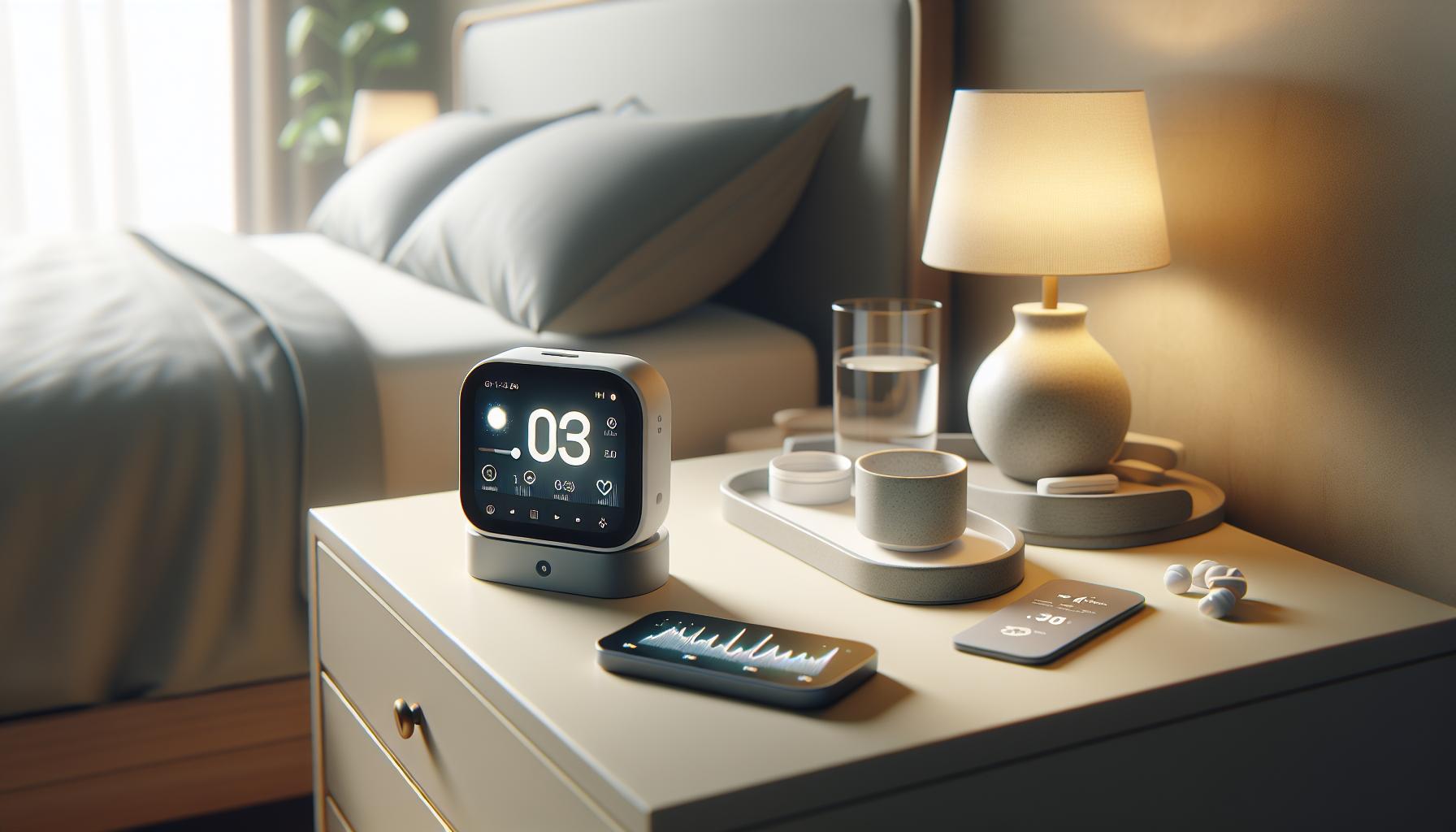
Choosing the right sleep tracking watch can redefine your approach to sleep health. With various options flooding the market, understanding essential features will empower you to make informed choices tailored to your unique needs. Effective sleep monitoring transcends mere tracking; it revolves around delivering actionable insights that can lead to meaningful improvements in your sleep quality.
A standout feature in sleep tracking watches is sleep stage tracking. Devices that accurately differentiate between light, deep, and REM sleep provide a comprehensive picture of your nighttime cycles. This granular insight can illuminate patterns that affect how you feel during the day. For instance, if you notice a lack of deep sleep, it could prompt you to adjust your evening routine to promote more restorative sleep phases.
Another critical aspect is heart rate monitoring. Continuous heart rate data not only reveals how your body reacts during sleep but can also indicate overall cardiovascular health. This feature can be particularly beneficial for users who are monitoring fitness levels, as fluctuations in heart rate can signal issues like sleep apnea or stress responses during rest.
Battery life cannot be overlooked when selecting a sleep tracker. Opt for models that support extended usage on a single charge, allowing you to wear your device continuously without the hassle of nightly charging. This ensures consistent tracking and helps you establish a reliable regimen without interruptions.
Lastly, consider integration with sleep apps. A watch that syncs well with software can offer tailored insights, visualize your data, and provide personalized recommendations. This enhanced experience bridges the gap between raw data and practical lifestyle adjustments, making it easier to track your progress over time.
Incorporating these features into your sleep tracking watch not only enhances functionality but also cultivates better sleep habits, ultimately leading to a healthier lifestyle. With today’s technology, understanding and improving your sleep has never been more accessible.
Comparative Analysis of Leading Brands

Comparing the leading sleep tracking watches reveals a diverse landscape that caters to varying needs and preferences. Brands like Fitbit, Garmin, Apple, and Whoop have emerged as key players, each offering unique features that position them differently in the market.
When evaluating Fitbit, it’s renowned for its user-friendly interface and comprehensive sleep analysis that includes insights on sleep stages and disturbances. With models like the Fitbit Charge 5, users benefit from a solid battery life of up to 7 days, continuous heart rate monitoring, and SpO2 tracking. This brand is particularly appealing for those new to sleep tracking, offering clear visualizations and actionable sleep tips via its app.
Garmin adds a competitive edge with options like the Forerunner and VIVO series, which not only track sleep quality but also include advanced metrics such as sleep consistency and body battery status. Garmin’s features are ideal for fitness enthusiasts, correlating sleep data with training loads and recovery times, which assists in optimizing performance and wellness.
In contrast, the Apple Watch seamlessly integrates sleep tracking within a broader ecosystem, making it a great choice for tech-savvy users already invested in Apple products. The latest models offer sleep goals, sleep trends, and scheduled sleep settings alongside their comprehensive health monitoring features. However, potential buyers should note that battery life may require frequent charging, particularly with continuous usage of features like ECG and activity tracking.
Whoop, a subscription-based model, focuses exclusively on health metrics, including detailed sleep analysis, recovery scores, and strain tracking. It’s designed for users committed to improving their overall performance, though it may not be the best fit for those looking for a traditional smartwatch experience due to its lack of a display for notifications.
To summarize, choosing a sleep tracking watch involves considering how the device’s features align with your lifestyle and goals. Below is a comparative table outlining some key specifications:
| Brand/Model | Battery Life | Key Features | Ideal For |
|---|---|---|---|
| Fitbit Charge 5 | 7 days | Sleep stages, SpO2, heart rate | Beginners, casual users |
| Garmin Forerunner | Up to 14 days | Body battery, activity correlation | Fitness enthusiasts |
| Apple Watch Series 8 | Sleep trends, health features, integration | Apple ecosystem users | |
| Whoop Strap 3.0 | 5 days | Recovery scores, strain tracking | Performance-focused users |
Ultimately, understanding the strengths and weaknesses of each brand can empower you to choose a sleep tracking watch that not only fits your personal needs but also enhances your overall sleep health journey.
Budget vs. Premium Models for Sleep Tracking
Choosing between budget and premium sleep tracking watches can be a pivotal decision, especially if sleep quality is a priority in your health journey. Budget models typically offer basic functionalities like tracking total sleep time, light vs. deep sleep patterns, and perhaps a simple graphical representation of your sleep cycle. These devices can be excellent for those just starting to explore sleep tracking or who want a straightforward way to monitor their sleep habits without breaking the bank. Brands like Fitbit and Xiaomi often provide solid entry-level options that can fulfill these criteria affordably, often priced around $100 or less.
On the other hand, premium models, such as the Apple Watch or Whoop, come equipped with advanced technology that goes beyond mere sleep duration. These devices often include features like heart rate variability monitoring, sleep stage analysis (REM, light, deep sleep), and extensive health insights. They are designed for users who are serious about optimizing their health and require comprehensive data to inform their decisions. Premium options typically range from $200 to $400 or more, and they frequently integrate with other health apps, offering a more holistic view of your well-being.
When considering the value of each category, think about your specific needs and goals. If you are merely curious about your sleep patterns, a budget model may suffice and can be a great stepping stone. However, if you are looking for a tool that can help you enhance your athletic performance, recover from workouts, or deeply analyze your sleep health, investing in a premium device may be worthwhile.
In sum, weighing the investment against expected benefits can guide you to the right decision. Here are some aspects to contemplate in your choice:
- Usage Frequency: How often do you intend to track your sleep? Daily tracking might warrant a premium investment.
- Data Significance: Do you require detailed insights for health decisions? Premium trackers provide richer data.
- Budget Considerations: Can you comfortably afford a premium model, or is a budget device more suitable for now?
Ultimately, understanding your own sleep goals will illuminate whether a budget-friendly option or a premium model aligns better with your lifestyle.
User Reviews: Experiences with Sleep Tracking Watches
User experiences with sleep tracking watches vary widely, showcasing how individual needs and lifestyle choices shape perceptions of these devices. As more people prioritize sleep quality, reviews often highlight how different models meet (or fall short of) expectations. Many users appreciate watches like the Fitbit Charge, which provides straightforward insights into total sleep time and sleep stages. Users often report feeling empowered by this feedback, finding it easier to adjust their bedtime routines to improve their sleep quality.
A notable aspect of these reviews is the emphasis on accuracy. Many users note that premium models, such as the Apple Watch or Oura Ring, deliver more precise data, including heart rate variability and detailed sleep stages. These features resonate particularly well with consumers looking to enhance athletic performance or manage stress. For instance, a user might share how they utilized sleep stage insights to tweak their evening habits, like reducing screen time before bed, leading to more restorative sleep.
However, it’s essential to acknowledge that some users experience frustration with the battery life and comfort of these devices. Budget models often face criticism for being less comfortable during sleep, while premium devices usually receive praise for their wearable designs but may require frequent charging. This aspect can be a dealbreaker for those who seek uninterrupted sleep tracking.
Moreover, user reviews frequently touch on the integration of these devices with sleep apps, which can enhance the overall experience. Many users confirm that syncing their trackers with third-party applications offers deeper insights into trends and recommendations. Such integrations can guide users in establishing better sleep hygiene practices. In summary, potential buyers can benefit from exploring user experiences to uncover how various sleep tracking watches align with their personal health goals and lifestyle preferences.
Integration with Sleep Apps: Enhancing Your Tracking
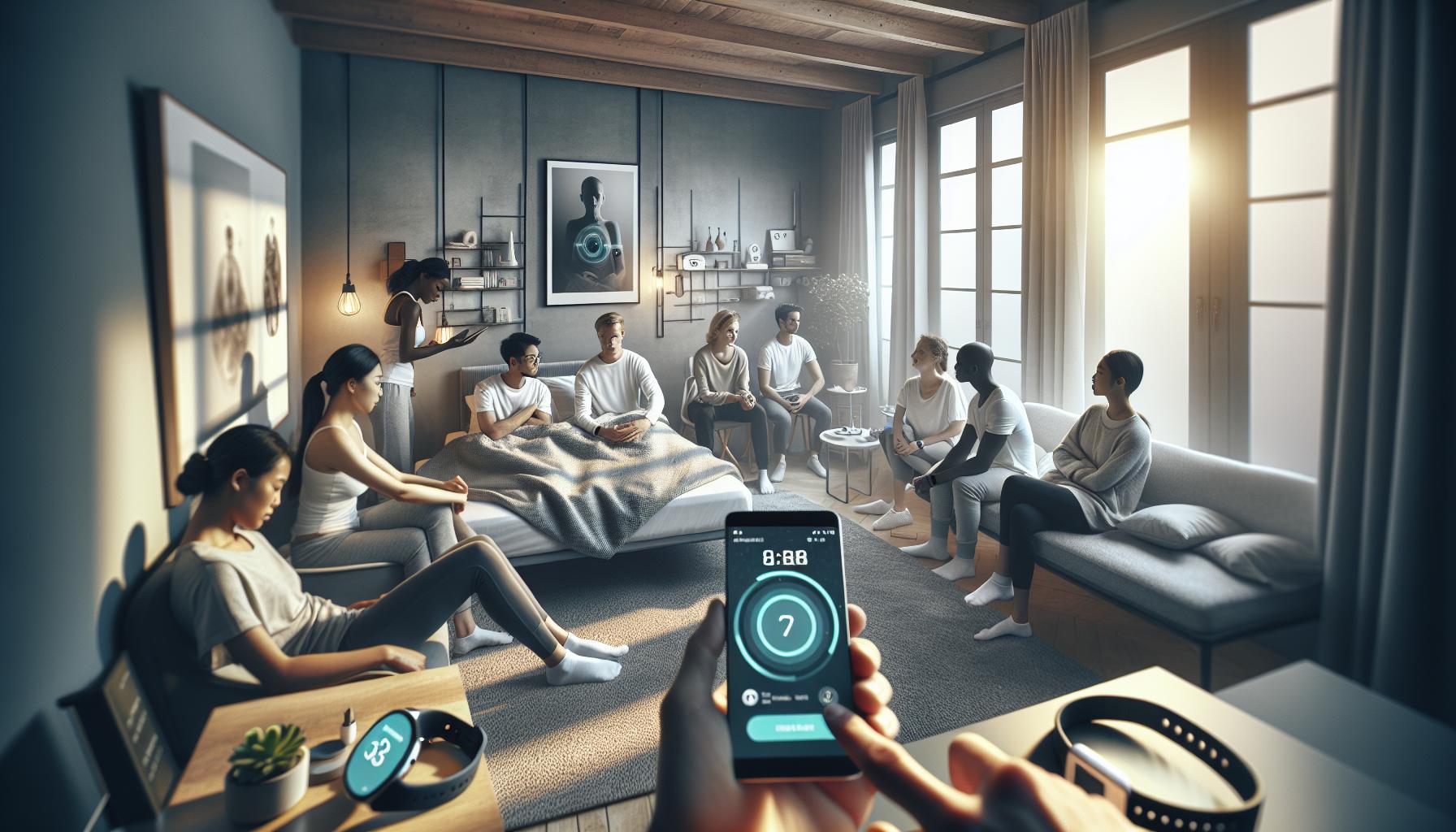
The integration of sleep tracking watches with sleep apps represents a significant advancement in managing sleep health. By syncing your watch with dedicated applications, you gain access to a wealth of data and analysis that extends beyond what the device alone can provide. This synergy allows for a comprehensive understanding of your sleep patterns and quality.
Popular apps like Sleep Cycle or Pillow can connect seamlessly with various sleep trackers, allowing for advanced tracking of sleep stages, disturbances, and overall sleep quality. Many users report that these apps offer personalized insights and actionable recommendations based on the data collected from their wearables. For instance, a user might discover that they are consistently restless during certain hours and receive tips on adjusting their bedtime or sleep environment to mitigate these disruptions. This feedback loop can empower individuals to implement better sleep hygiene practices and ultimately improve their overall sleep quality.
Furthermore, the capacity for enhanced data visualization is a notable perk of using these apps. Rather than simply displaying your sleep duration or movement metrics, many applications provide graphical representations of sleep trends over time, which can help you identify patterns and triggers affecting your rest. With premium features often available in these apps, users can explore deeper analytics around factors like heart rate variability and environmental influences, leading to more informed decisions.
When selecting a sleep tracker for optimal app integration, consider compatibility with leading apps as a key feature. Look for devices like the Oura Ring or Fitbit, which are frequently recommended for their robust syncing capabilities and user-friendly interfaces. Many users find that this integration not only enriches their tracking experience but also fosters a greater commitment to improving their sleep habits. Together, your tracker and sleep app can create a holistic sleep management system tailored to your needs and preferences.
Sleep Stage Insights: Understanding the Data
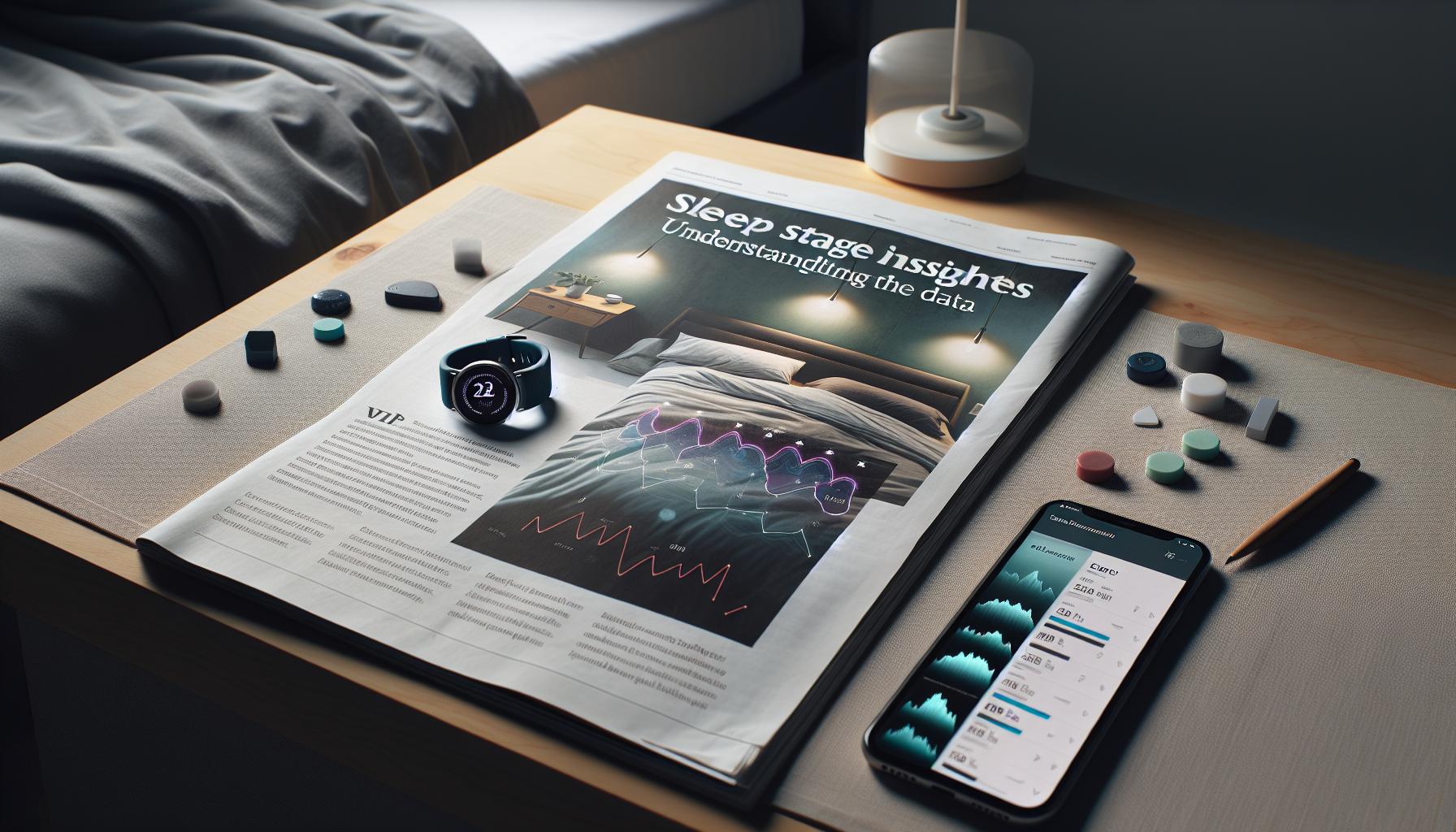
Understanding your sleep stages is crucial to improving your sleep quality and overall health. Today’s advanced sleep tracking watches provide detailed insights into how long you spend in each sleep stage, which can help you decode your sleep patterns and make informed adjustments for better rest. Most devices break sleep down into several key stages: light sleep, deep sleep, and REM sleep. Each of these plays a vital role in restorative processes that are critical for cognitive function and emotional well-being.
What Sleep Stages Mean
- Light Sleep: This is the stage where you drift in and out of sleep and can be easily awakened. It’s essential for transitioning into deeper sleep stages and helps with overall sleep efficiency.
- Deep Sleep: Often referred to as slow-wave sleep, this stage is when your body focuses on physical repair, growth, and immune function. Increased time in deep sleep is associated with feeling more rested and rejuvenated.
- REM Sleep: Rapid eye movement (REM) sleep is when dreaming occurs and is critical for memory consolidation and emotional regulation. Most adults experience several cycles of REM sleep each night.
Monitoring these stages with a sleep tracking watch can provide enlightening data about your nightly rest. For example, if you consistently experience little to no deep sleep, it may indicate the need to adjust your sleep environment, seek out stress reduction techniques, or even consider speaking to a sleep specialist.
Analyzing Your Sleep Data
After wearing a sleep tracker, the device typically syncs with an app to display sleep data in a user-friendly format. Most prominent apps visualize your sleep stages through graphs, which can make spotting trends simpler. For instance, a user might notice that their deep sleep drops significantly during nights when they consume caffeine late in the day.
Utilizing this information to modify behaviors can lead to significant improvements in sleep quality. A practical approach would be to set a goal of establishing a more consistent bedtime routine or implementing relaxation techniques to promote better transitions into these crucial stages.
Real-World Impact
Many users report transformational experiences after tracking their sleep stages. Understanding how their habits influence their sleep has empowered them to embrace healthier lifestyle choices, like limiting screen time before bed or engaging in calming activities, such as reading or practicing meditation. Monitoring sleep data not only enhances individual awareness but can also foster better sleep hygiene practices over time.
In conclusion, the data gleaned from sleep stage monitoring allows for a tailored approach to enhancing sleep quality, aiding in both physical and mental rejuvenation. With the right sleep tracking watch in 2026, individuals can navigate the complexities of their sleep and emerge better equipped to tackle the day ahead.
When to Consider Professional Sleep Studies
For many, sleep is a deeply personal experience, impacted by countless variables, from daily habits to underlying health issues. While sleep tracking watches offer valuable insights into sleeping patterns and stages, there are instances when the data they provide may indicate the need for a more comprehensive approach. Knowing when to seek a professional sleep study can be pivotal to truly understanding and addressing sleep challenges.
If sleep tracking devices consistently show irregularities, such as frequent interruptions or very little deep sleep, this may signal underlying conditions like sleep apnea, insomnia, or restless leg syndrome. These conditions can often be subtle but have significant effects on overall health. In such cases, it’s wise to consult a healthcare professional who may recommend a sleep study, known as polysomnography, to observe your sleep in a controlled environment. This non-invasive procedure can provide detailed information about your sleep architecture, including heart rate, blood oxygen levels, and brain activity, allowing for a comprehensive analysis.
Cost is often a concern when considering a sleep study. Depending on insurance coverage, the price can range from a few hundred to several thousand dollars. It’s beneficial to check with your healthcare provider and insurance company about coverage options. Often, if a sleep disorder is suspected, a sleep study may be deemed medically necessary, which could help alleviate financial stress.
When preparing for a sleep study, it is essential to understand what to expect. Typically, you’ll arrive at a sleep clinic in the evening, where you’ll be connected to monitoring equipment. The environment is designed to be comfortable but controlled, mimicking your home setup as much as possible to ensure accurate readings. Important information, such as sleep habits and any medications taken, should be discussed upfront. Most importantly, embrace the process; it’s a step towards better health and improved sleep.
In summary, while sleep tracking watches provide convenient and insightful data, they are not a substitute for professional evaluation when serious sleep issues arise. Understanding the limitations of wearables and recognizing when to seek further analysis can empower individuals to make informed decisions regarding their sleep health.
Tracking Sleep Quality: What to Expect
Understanding sleep quality is crucial in navigating the world of sleep tracking technology. When you decide to use a sleep tracking watch, what can you expect from the data it collects? Most devices aim to analyze several key metrics, offering insights that can empower you to make informed decisions about your sleep hygiene and overall wellness.
Sleep tracking watches typically monitor various stages of sleep, including light sleep, deep sleep, and REM (rapid eye movement) sleep. These stages intertwine to create a cycle that contributes to restful and restorative sleep. Knowing how your watch measures these stages can help you identify patterns. For instance, you might notice that your device consistently records low deep sleep hours. This could be a signal to adjust your evening habits, whether that’s changing your bedtime routine or addressing environmental factors like room temperature and noise levels.
Another critical aspect is sleep interruptions. Many devices alert you to how often you wake during the night. If your tracker indicates frequent disturbances, it’s worth exploring potential causes, from underlying medical conditions like sleep apnea to lifestyle habits such as excessive caffeine intake or screen time before bed. While sleep trackers provide a wealth of data, it’s essential to remain realistic about their limitations-these devices are not diagnostic tools but can serve as a valuable first step in identifying issues worth discussing with a healthcare professional.
### Key Metrics to Monitor
- Sleep Duration: The total hours spent asleep, ideally aiming for 7-9 hours per night.
- Sleep Stages: Percentage of time spent in light, deep, and REM sleep.
- Wake Up Incidents: Number and frequency of times you wake during the night.
- Restfulness Score: An overall measure of the quality of sleep based on the above metrics.
It’s also beneficial to set realistic expectations regarding how the data should be interpreted. Sleep quality varies drastically between individuals. For example, some people may strive for higher deep sleep percentages, while others might prioritize overall sleep duration. Tailoring the insights from your watch to your specific needs allows for more personalized adjustments.
As you utilize your sleep tracker, remember that its role is to enhance your understanding of your own sleep patterns. Regularly reviewing the data can help you spot trends over time and recognize what behaviors boost-or hinder-your sleep quality. Ultimately, this proactive approach can lead to better nightly rest and a significant improvement in your overall health and well-being.
Common Sleep Disorders: How Devices Can Help
Nights filled with restlessness or repeated awakenings can hint at underlying sleep disorders that many people face. Fortunately, modern sleep tracking devices offer a way for users to gain insights into their sleep patterns and potential issues. These wearables, such as smartwatches and fitness trackers, not only provide data on sleep duration and stages but can also highlight anomalies that could suggest disorders like sleep apnea, insomnia, or restless leg syndrome.
Devices monitor vital sleep metrics, including the number of awakenings, total sleep time, and especially the time spent in different sleep stages-light, deep, and REM sleep. This data can empower users by alerting them to areas of concern. For example, if a device consistently shows a significant amount of wake time each night, it might be an indication to consult a healthcare professional. Additionally, features like heart rate variability and oxygen saturation levels can further inform users about potential sleep apnea, which occurs when breathing repeatedly stops and starts during sleep. This disruptive condition can significantly impact overall health and mandates further investigations such as a polysomnography sleep study.
Here’s how you can leverage your tracking device to tackle common sleep disorders:
- Identifying Patterns: Review your sleep data regularly to identify patterns that correlate with less-than-ideal sleep quality. Look for trends in your deep and REM sleep, as inadequate amounts can indicate underlying issues.
- Monitoring Progress: If you’re making lifestyle changes-like reducing screen time before bed or adjusting your sleep environment-track your sleep quality over time to see if improvements occur.
- Engaging with Professionals: Use the insights gained from your device as conversation starters during medical consultations. A sleep doctor may consider your data essential for diagnosing disorders or recommending treatment.
While sleep tracking watches are useful tools, it’s essential to remember they are not substitutes for medical advice or diagnostic tests. If your device indicates significant disturbances and symptoms such as excessive daytime sleepiness or mood changes, it’s prudent to pursue a full sleep study for precise diagnosis and treatment. This proactive approach will not only help you improve your sleep quality but also enhance your overall health and well-being.
Setup and Maintenance Tips for Sleep Trackers
Setting up your sleep tracker properly is crucial for monitoring your sleep patterns effectively. From syncing the device with your smartphone to calibrating the settings for your lifestyle, here are some essential tips to ensure your device works effectively and provides valuable insights into your sleep quality.
First, make sure the watch is correctly fitted to your wrist. Many devices rely on heart rate and movement sensors, which need to be in direct contact with your skin. If it’s too loose, the sensors may not function properly, leading to inaccurate data. Aim for a snug fit, but not too tight that it’s uncomfortable. Many sleep monitors also require initial charging, so ensure your device is fully powered before you begin the setup process.
Next, download the related sleep tracking app from the App Store or Google Play, depending on your device’s compatibility. Most brands offer dedicated applications that enhance tracking functionalities. For example, some apps allow you to input your sleep environment preferences or track additional health metrics like caffeine intake or daily stress levels, which can affect sleep quality. After downloading, follow the in-app instructions to pair your device. This typically involves turning on Bluetooth and following prompts on both your watch and smartphone.
Ongoing Maintenance and Best Practices
Regular maintenance helps ensure accurate tracking and prolongs the lifespan of your sleep tracker. Clean the sensors gently with a soft, damp cloth to prevent dirt build-up that can interfere with performance. It’s also wise to periodically restart or reset your device to clear any software glitches that may arise over time. Keeping your app updated ensures you benefit from the latest features and improvements related to sleep tracking.
- Check Battery Levels: Monitor your device’s battery levels to avoid interruptions during sleep tracking. Some trackers offer battery-saving modes, which can extend usage time but may limit certain functionalities.
- Review Sleep Data Regularly: Make it a habit to review the sleep reports generated by the app. Analyzing this data weekly or monthly can help you understand trends and make necessary lifestyle adjustments.
- Integrate with Smart Home Devices: Many modern sleep trackers can sync with smart home technology. For example, connecting your device to smart lighting or temperature control systems can optimize your sleep environment based on real-time data.
By following these setup and maintenance tips, you can maximize your sleep tracker’s effectiveness, providing you with crucial insights that can lead to improved sleep quality. Remember that while these devices are helpful tools, they are best used alongside good sleep hygiene practices and, when necessary, consultations with health professionals if you notice persistent sleep issues.
The Future of Sleep Tracking Technology
As we look ahead to the evolving landscape of sleep tracking technology, one thing is clear: the future holds great promise for both consumers and health professionals. Innovative advancements are anticipated to enhance how sleep is monitored, analyzed, and improved, making it easier for individuals to prioritize their sleep health. With a combination of artificial intelligence, machine learning, and increasingly sophisticated sensors, sleep tracking watches are set to provide deeper insights into our sleep patterns, leading to personalized recommendations and actionable guidance.
One noteworthy trend is the integration of advanced biometrics. Future devices are likely to monitor not just heart rates and movement but also variations in body temperature, blood oxygen levels, and even stress hormone fluctuations. This comprehensive data collection will allow wearables to paint a more nuanced portrait of our sleep quality. For instance, if a device detects increased heart rate variability or changes in blood oxygen during sleep, it could suggest specific interventions, such as adjusting room temperature or altering bedtime routines. Users may also receive tailored lifestyle suggestions based on their unique sleep patterns and overall health profile.
Additionally, the convergence of sleep technology with popular wellness apps signifies a significant shift. Sleep tracking devices will increasingly interface with mental health platforms, offering a holistic approach to well-being. Imagine a scenario where your sleep tracker communicates with your mindfulness app, advising you on optimal relaxation techniques based on your sleep data. This synergy could empower users to take proactive steps towards better sleep, blending technology with behavioral health strategies seamlessly.
Finally, the future might see wearables equipped with sleep coaching features, acting almost as personal sleep advisors. By leveraging data over time, these devices could help individuals develop better sleep hygiene, such as consistent sleep schedules or relaxation techniques. The insights gained from extensive data analysis could lead to the development of new solutions for common sleep disorders like insomnia, sleep apnea, and restless leg syndrome. As technology continues to advance, sleep tracking devices could cultivate not just awareness but true behavioral change, ultimately contributing to improved health outcomes for millions.
With such innovations on the horizon, consumers will be armed with powerful tools to navigate sleep challenges more effectively. Investing in the latest tracking technologies will not just be about monitoring sleep; it will be about harnessing data to create meaningful improvements in overall well-being.
Q&A
Q: How do I choose the best watch for sleep tracking in 2026?
A: To choose the best sleep tracking watch, consider features like heart rate monitoring, sleep stage analysis, and battery life. Look for user reviews and compatibility with sleep apps for optimal data synchronization. Assess your budget to determine whether a budget or premium model fits your needs.
Q: What features should I look for in a sleep tracking watch?
A: Key features to consider include accurate heart rate sensors, sleep quality analysis, comfort for overnight wear, and integration with health apps. Additional functionalities like tracking movement and analyzing sleep patterns can provide deeper insights for better sleep management.
Q: Which watches offer the most accurate sleep tracking in 2026?
A: In 2026, models from brands like Fitbit, Garmin, and Apple are known for their accuracy in sleep tracking due to advanced sensors and algorithms. Look for watches that offer detailed insights into sleep stages and overall sleep quality for comprehensive monitoring.
Q: Can budget watches effectively track sleep quality?
A: Yes, budget watches can effectively track sleep quality by providing basic metrics such as total sleep time and disturbances. However, they may lack advanced features like detailed sleep stages or integration with comprehensive sleep apps, which premium models usually offer.
Q: How does sleep tracking data help improve my sleep?
A: Sleep tracking data helps users identify patterns affecting their sleep quality, such as irregularities in sleep stages or disturbances. By analyzing this data, users can make informed adjustments to their sleep environment and habits for improved rest.
Q: Do sleep tracking watches require special setup?
A: Most sleep tracking watches do not require complicated setup. Simply download the related app, sync your watch, and adjust sleep settings. It’s recommended to wear the watch consistently to collect accurate data over time.
Q: How does sleep tracking compare to professional sleep studies?
A: Sleep tracking watches provide useful insights for general sleep patterns but are not a substitute for professional sleep studies, which offer comprehensive evaluations and can diagnose sleep disorders such as sleep apnea or insomnia.
Q: Are there specific brands recommended for sleep tracking in 2026?
A: Yes, top brands like Fitbit, Garmin, and Apple offer high-rated sleep tracking devices in 2026. These brands are known for their reliability, ease of use, and comprehensive tracking features that enhance user experience.
The Conclusion
As you explore your options for the best sleep tracking watch in 2026, remember that choosing the right device can significantly enhance your sleep quality and overall well-being. Don’t wait to take control of your sleep health-finding a watch that suits your needs can lead to more restful nights and energized days. If you’re considering a deeper dive into sleep studies or need tips on improving your sleep hygiene, check out our comprehensive guides on enhancing sleep and understanding sleep disorders.
For those ready to make an informed purchase, we recommend visiting our product comparison tables and setup tutorials to ensure a smooth experience. Have questions or personal experiences to share? We’d love to hear from you in the comments below! Lastly, consider signing up for our newsletter to stay updated on the latest in sleep technology and health advice. Join our community of sleep enthusiasts today, and make every night a restful one!
Get our latest guides, news, and insights highlighted in your Google Search & AI Overviews.