
Are you frustrated because your smart ring isn’t tracking your sleep? You’re not alone; many users encounter this common issue. Tracking sleep accurately is essential for understanding your sleep patterns and improving your overall health. Without that data, you may struggle to identify sleep disturbances or get the restorative rest you need. In this guide, we will explore common reasons why your smart ring may be malfunctioning, offer practical troubleshooting tips, and help you maximize the potential of your wearable device. Let’s dive into what could be going wrong and how you can get back on track for better sleep health.
Why Your Smart Ring Isn’t Tracking Sleep
Some users may find their smart ring isn‘t tracking sleep as expected, leading to frustration and confusion. The reasons for this inconsistency can often be traced back to several key factors that impact how well these devices monitor sleep patterns.
Firstly, the positioning of the smart ring is crucial. For the most accurate readings, the ring should fit snugly but comfortably on your finger, ideally just above the knuckle. If it’s too loose, it may not accurately read your heart rate and movement, both of which are critical for sleep tracking. Additionally, consider the time of night when you’re putting the ring on; wearing it throughout the night is essential to get a comprehensive sleep report.
Another common issue lies in the software. Ensure that the app connected to your smart ring is updated regularly, as developers frequently release patches to improve performance and address bugs. An outdated app may misinterpret the data, leading to incorrect sleep stage readings or even missed tracking entirely. Regularly syncing your device with its accompanying app can also help maintain accurate records.
Lastly, environmental factors can affect sleep tracking. Noise, light, and temperature fluctuations can disturb your sleep patterns, causing variations that may lead to inaccurate readings by your ring. Paying attention to your sleep environment and making necessary adjustments can create a more conducive atmosphere for better data capture.
By being aware of these factors and taking steps to ensure proper setup and care, users can enhance their smart ring’s ability to accurately track sleep, ultimately gaining valuable insights into their rest patterns.
Common Issues With Sleep Tracking Devices
Sleep tracking devices, including smart rings, are designed to offer insights into our nightly rest, yet many users encounter frustrating issues that can hinder effective monitoring. It’s important to recognize that several factors may contribute to a device not performing as expected. One major concern is the fit of the device; if the smart ring is too loose, it can lead to inaccurate heart rate and motion readings. Ideally, the ring should fit snugly but not uncomfortably, positioned just above the knuckle. This ensures a closer contact with your skin, allowing for optimal data capture.
Software problems also play a critical role in sleep tracking performance. Regular updates to the app associated with your smart ring are essential for improving functionality and fixing bugs. An outdated app may struggle with data interpretation, which can result in false readings or missed sleep data altogether. Users should make a habit of synchronizing their ring with the app to ensure all records reflect their true sleep patterns.
Another often-overlooked aspect is the impact of environmental factors on sleep quality. Disruptive noises, fluctuating temperatures, and excessive light can severely affect your sleep stages, which in turn can lead to erroneous readings by your smart ring. Creating a sleep-conducive environment-by using blackout curtains, ensuring silence, and maintaining a consistent room temperature-can help enhance both sleep quality and tracking accuracy.
By being aware of these common pitfalls and addressing them proactively, you can significantly improve your smart ring’s ability to monitor sleep effectively, allowing you to gain valuable insights into your nightly rest patterns.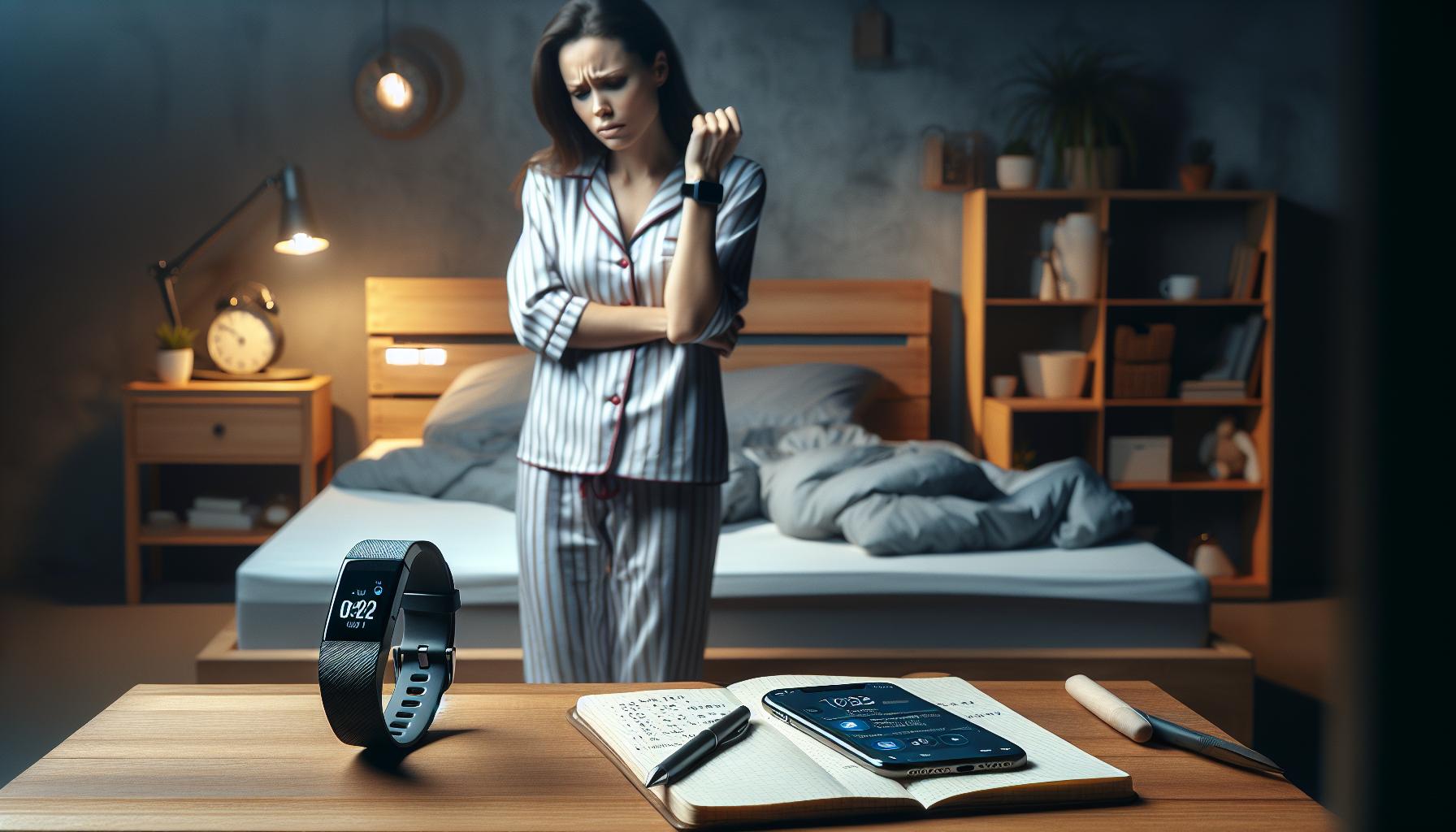
Setting Up Your Smart Ring for Accurate Sleep Monitoring
To ensure your smart ring effectively tracks your sleep, a solid setup process is crucial. This involves not only correctly adjusting the device but also integrating it with supportive practices that optimize its performance. Fit is paramount; the ring should sit snugly above your knuckle, ensuring consistent contact with your skin for accurate heart rate and motion detection. A ring that is too loose will produce less reliable data, leading to flawed insights about your sleep patterns.
Other key aspects include configuring the associated app properly. Begin by downloading the latest version of the application to ensure you have access to new features and bug fixes that can enhance tracking capabilities. Take the time to go through the app settings, where you can personalize notifications, sync frequency, and choose sleep metrics that matter most to you. This tailored approach maximizes the effectiveness of the data the smart ring collects.
Consider your sleeping environment as well. Creating a conducive sleep space free from disruptive noises, varying temperatures, and bright lights can dramatically improve both the quality of your sleep and the ring’s tracking accuracy. Using blackout curtains, a comfortable mattress, and maintaining an optimal temperature can all contribute to more restful nights.
Finally, consistency is key when it comes to wearing your smart ring. Make it a habit to wear it every night, as this helps the device establish a baseline for your sleep patterns, leading to more reliable measurements over time. By following these setup steps and establishing a conducive sleep environment, you’re setting your smart ring up for success in monitoring your nocturnal rest effectively.
Understanding Sleep Stages: What Your Ring Measures
Understanding your sleep stages is crucial for interpreting the data from your smart ring, as it not only tracks when you sleep but also how well you sleep. Most smart rings utilize a combination of heart rate monitoring, motion detection, and sometimes advanced sensors to assess your sleep patterns. By analyzing these metrics, they can categorize your sleep into various stages: light, deep, and REM (rapid eye movement).
During light sleep, which typically occurs in the initial cycles of the night, your body starts to relax, and brain activity slows down. Smart rings generally measure this stage using the movements of your body as they are often lighter and more frequent. Deep sleep, on the other hand, is critical for bodily recovery and memory consolidation. Here, your heart rate slows further, significantly reducing body movement. Devices can determine deep sleep by noting periods of reduced heart rate and minimal movement.
In comparison, REM sleep is where most dreaming occurs, and it plays an essential role in emotional health and cognitive function. During REM, your heart rate and breathing may become irregular, and your body is temporarily paralyzed. Smart rings monitor these changes to accurately identify how long you spend in this rejuvenating stage.
To enhance the accuracy of sleep tracking, ensure your ring fits snugly, as poor contact can lead to inaccurate readings. Additionally, consider maintaining a consistent sleep schedule, as this helps your body establish a rhythm, allowing your smart ring to gather more reliable data over time. The insights gained from understanding these sleep stages can empower you to make informed adjustments to your sleep habits, ultimately enhancing your overall well-being.
Troubleshooting Tips for Sleep Tracking Problems
Many smart ring users experience issues with accurate sleep tracking, which can be frustrating when you’re trying to gain insights into your rest patterns. One of the first troubleshooting steps is to ensure that the ring fits properly on your finger. A loose or too-tight fit can affect the sensors’ ability to gather accurate data. Aim for a snug fit without discomfort and consider wearing the ring on the same hand consistently to improve data reliability.
Another common issue arises from the device’s battery life. If your smart ring isn’t charged adequately, it may not function to its full potential. Check the battery level frequently and charge the device fully before bedtime to ensure it captures your sleep without interruptions. Furthermore, turning off features that aren’t necessary for sleep tracking, such as notifications or Bluetooth settings during the night, can help conserve battery and enhance performance.
Sometimes, software glitches can be at fault. Regularly check for updates through the corresponding app, as manufacturers frequently release patches and improvements that address bugs. This can include enhancements to sleep tracking algorithms, ensuring that your device functions optimally. If you experience sudden tracking failures, restarting your smart ring or the app may refresh the connection and resolve temporary issues.
Lastly, remember that environmental factors could also play a role in sleep data collection. Factors like excessive movement during sleep, changes in sleep position, or different types of bedding can interfere with the accuracy of measurements. Monitoring these aspects can be just as important in debugging sleep tracking problems. If the issues persist, consulting the manufacturer’s support can provide additional insights or solutions tailored to your specific device model.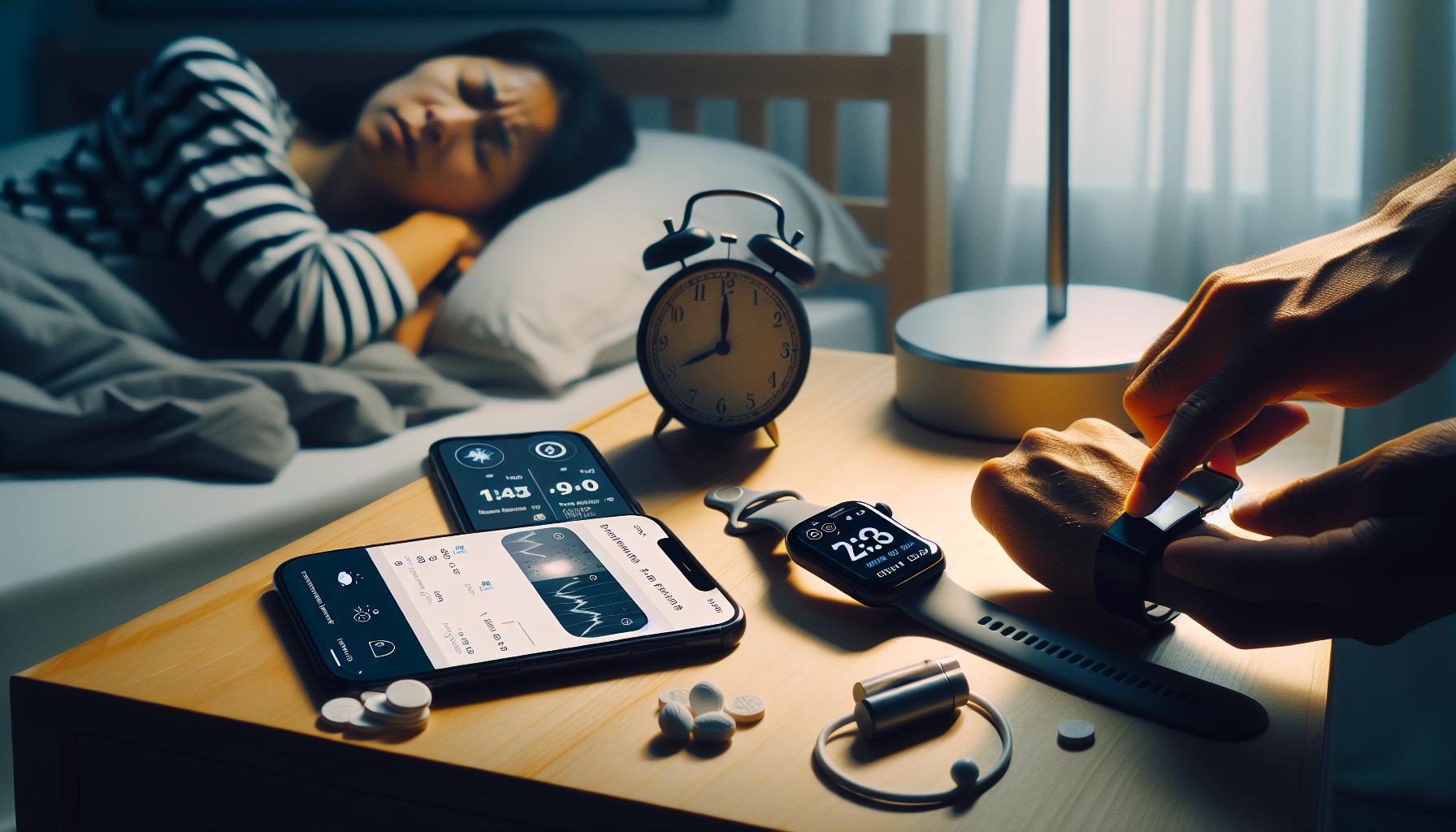
Software Updates and Their Impact on Tracking
Keeping your smart ring updated is crucial for accurate sleep tracking. Software updates are not just about adding new features; they often contain essential bug fixes and improvements that directly affect how well your device monitors your sleep. When manufacturers release an update, they may enhance the algorithms that analyze your sleep stages, improving the accuracy of data like sleep duration, disruption frequency, and overall sleep quality.
Regularly checking for updates within the accompanying app is an easy way to ensure you’re getting the most out of your smart ring. Some users may overlook this step, thinking their device is functioning perfectly. However, just like a smartphone, your smart ring can benefit from the latest software optimizations. Missing an update can result in outdated algorithms that aren’t fully equipped to interpret your sleep patterns accurately.
Another consideration is that software updates can sometimes introduce new features that require recalibrating how the ring tracks sleep. After an update, it’s a good idea to wear the ring consistently and observe any changes in the reported sleep data. If discrepancies arise, resetting the device or performing a factory reset can sync everything back to optimal conditions.
Lastly, if your smart ring syncs with other apps or devices, ensure those are updated too. Compatibility issues can arise when one device runs on an outdated version while others do not. Keeping all elements of your health tech ecosystem up to date enhances communication between devices, leading to a more holistic and accurate tracking experience. By making software updates a routine part of your smart ring maintenance, you can help ensure that it reliably provides the insights needed to monitor and improve your sleep quality effectively.
Wearable Tech Compatibility: Is Your Ring Supported?
Choosing the right smart ring involves more than just considering its features; compatibility with existing wearable tech and smartphones is critical for maximizing its sleep tracking capabilities. If your smart ring is not functioning as expected, one of the first things to examine is whether it’s fully supported by your devices. Many manufacturers provide a list of compatible smartphones and fitness trackers that can sync effectively with their devices to ensure optimal performance.
An essential aspect to look at is the operating system. Most smart rings are designed to work seamlessly with both iOS and Android platforms, but specifics can vary. Ensure your smartphone is running the latest software, as older versions might not support new features or connectivity protocols that enhance tracking accuracy. If you have an older model, check whether the manufacturer lists it as supported.
Syncing and App Compatibility
The companion app for your smart ring plays a vital role in data tracking and analysis. Make sure that the app is compatible with your smartphone’s operating system version and that you have downloaded the latest update. Some rings offer features that allow integration with third-party apps such as Apple Health or Google Fit, which can amplify the tracking experience. If these third-party apps aren’t updated, or if your ring isn’t compatible with them, you might see a drop in the accuracy of your sleep data.
Additionally, realize the importance of Bluetooth connection stability. If your ring is frequently disconnecting, it could lead to gaps in the data collected during the night. It’s worth checking that your Bluetooth is functioning properly and that your smart ring is within the optimal range of your smartphone or connected device.
Examples of Compatibility Issues
Many users experience difficulties due to manual settings on their smartphones. For instance, if your phone has battery optimization features that restrict background app activity, this may prevent your ring from properly syncing overnight data. You can often resolve this by adding exceptions for your sleep-tracking app to operate freely.
In some cases, specific wearables only work consistently when paired with devices from the same brand. For example, if your smart ring is designed to work seamlessly with a specific smartwatch, using it with other brands may lead to inconsistent tracking results. Therefore, review the compatibility guidelines provided by the manufacturer to avoid these scenarios.
By ensuring your smart ring is fully supported by the devices you own, you’ll create a more efficient and accurate sleep tracking experience. Engaging with forums and user communities can also shed light on real-world experiences, helping you navigate any compatibility issues effectively.
Maximizing Accuracy: Best Practices for Sleep Tracking
To harness the full potential of your smart ring for sleep tracking, it’s essential to adopt best practices that optimize accuracy. The first step is to ensure that your smart ring fits snugly on your finger. A loose fit can result in inaccurate readings as the device relies on sensors in constant contact with your skin to monitor vital metrics like heart rate and movement. Additionally, wearing the ring on the same finger consistently helps the device calibrate accurately to your unique biometric data.
Another pivotal aspect is the setup of your sleep environment. Aim to create a calming nighttime ritual that encourages better sleep quality. Keep your bedroom dark, quiet, and cool. Engaging in relaxing activities before bed-such as reading or meditative practices-can enhance your sleep quality and, in turn, the data collected by your smart ring.
Regularly updating the device’s firmware and syncing it with its companion app plays a crucial role in tracking efficiency. Manufacturers often release updates to improve functionality or address tracking inaccuracies. Always check for updates and install them to benefit from the latest software enhancements. Furthermore, customizing the settings in the app to suit your sleep patterns-like setting appropriate sleep and wake times-can improve the accuracy of the data recorded.
Lastly, take advantage of the features offered by the accompanying app. Many smart rings provide insightful analytics and share tips for improving sleep based on the data collected. Engaging with these insights can not only help you understand your sleep better but also identify patterns that may require lifestyle adjustments. Keep in mind that while technology is a valuable tool for tracking sleep, combining it with healthy sleep hygiene practices offers the most benefit. With these methods, you can significantly enhance how effectively your smart ring tracks your sleep.
Alternative Sleep Tracking Methods and Their Benefits
To ensure effective sleep tracking, it’s worth exploring alternative methods that can complement or even surpass the capabilities of your smart ring. Many individuals find that combining multiple approaches yields the best insights into their sleep quality.
One traditional method is the use of sleep journals. By manually recording sleep patterns, nightly routines, and factors affecting sleep such as stress levels or caffeine intake, you can identify trends over time. This method encourages mindfulness and can help you link sleep disturbances to specific lifestyle choices. While it requires more effort and consistency, the self-reflection involved can lead to valuable insights.
Another effective alternative is polysomnography, a comprehensive sleep study conducted in a lab. This method measures various physiological signals, including brain waves, oxygen levels, heart rate, and breathing patterns. Although it is more invasive and generally requires a referral from a healthcare provider, it can provide the most detailed analysis of sleep disorders, making it an excellent option for those experiencing chronic sleep issues.
Wearable technology buyers may also consider devices from brands like Whoop or Oura, known for their advanced sleep tracking capabilities. These devices often utilize multiple sensors to gather more nuanced data about sleep stages and patterns. Comparing features across wearables can guide you to select one that best suits your needs, ensuring you get a comprehensive picture of your sleep health without solely relying on a smart ring.
Lastly, leveraging sleep tracking apps can offer a user-friendly alternative. Many smartphone apps use sound or movement tracking to analyze sleep cycles and provide insights into your overall sleep quality. Many of these apps are free or available at a low cost, making them an accessible option for anyone looking to enhance their sleep monitoring strategy.
By evaluating these alternative methods, you can find the best fit for your lifestyle and sleep needs. Whether you opt for self-documentation, professional analysis, or additional technology, diversifying your approach can yield richer data and help you understand your sleep more comprehensively.
When to Seek Professional Help for Sleep Issues
Feeling tired despite getting enough hours of sleep? If your smart ring isn’t tracking sleep accurately, it may be more than just a tech issue. There are crucial indicators that signal the need for professional help. Sleep problems can significantly impact daily life, affecting everything from mood to cognitive function. Recognizing when to consult a sleep specialist can be life-changing.
If you experience consistent difficulty in falling asleep, staying asleep, or waking up too early, it’s essential to assess your situation. Here are some key signs that suggest a professional evaluation might be beneficial:
- Persistent Fatigue: If you find yourself constantly tired, even after a full night’s sleep, this could be a symptom of an underlying sleep disorder.
- Snoring or Gasps for Air: Loud snoring, gasping, or choking during sleep can indicate sleep apnea, a serious condition that often goes unnoticed.
- Restless Legs: Involuntary leg movements or an uncomfortable urge to move your legs during the night can disrupt sleep significantly.
- Daytime Sleepiness: Difficulty staying awake during the day, especially during monotonous activities, may warrant a closer look from a professional.
- Chronic Insomnia: If you struggle with chronic insomnia that disrupts your day-to-day life, seeking help is advised.
A sleep study, or polysomnography, may be recommended to identify specific sleep disorders. This comprehensive evaluation measures various physiological signals while you sleep, enabling doctors to gather vital data for accurate diagnosis. Expect the process to include monitoring brain waves, oxygen levels, heart rate, and more, which can be done in a lab or even at home with certain devices.
Investing in your sleep health is essential. Most insurance plans cover some costs associated with sleep studies, so it’s wise to check your benefits. Understanding what to expect during the evaluation-such as a comfortable setup with minimal disruptions-can help ease anxiety about the process. Prioritizing sleep should never be overlooked; if you’re struggling, a conversation with a sleep specialist may provide the clarity and solutions you need.
Exploring User Experiences: Real-Life Sleep Tracking Stories
Many users have reported a range of experiences with their smart rings as sleep trackers, showcasing the device’s capabilities-and limitations. While some enjoy accurate readings and insights into their sleep patterns, others find their devices often misinterpret or fail to track crucial metrics.
One user, Jenna, was frustrated after noticing her smart ring consistently reported her sleep as more restful than it felt. “I’d wake up exhausted, and yet the app showed I had 90% sleep efficiency,” she recounted. After reaching out to customer support and adjusting the ring’s fit, Jenna found that slight repositioning improved accuracy. This demonstrates that minor adjustments can often have a significant impact on how well these devices track sleep.
Another user, Mark, experienced issues related to software updates. Initially pleased with his tracking results, he faced inaccuracies after a recent firmware update. “I noticed sudden spikes in my heart rate that didn’t match my feelings of relaxation,” he explained. The inconsistency led him to investigate other sleep tracking options while he contacted the manufacturer for help. His experience highlights the importance of regular software updates and staying informed about potential bugs.
For those facing similar challenges, keeping a sleep diary can be a useful strategy. By recording when you go to bed, when you wake up, and how rested you feel upon waking, you can compare this against the data provided by your smart ring. This method helps users identify patterns and potential discrepancies that might suggest the need for recalibration of their device or even seeking professional advice if symptoms persist.
Ultimately, user experiences reveal that while smart rings can provide valuable insights into sleep, they are not infallible. Understanding their functionality, adjusting user settings, and maintaining a dialogue with the manufacturer can enhance the tracking experience and lead to better sleep health.
Comparative Analysis: Smart Rings vs. Other Sleep Trackers
When considering sleep tracking technology, it’s essential to compare smart rings with other available devices. Each option has unique features, advantages, and limitations that can significantly affect their effectiveness in monitoring sleep quality. Smart rings, such as the Oura Ring or the Halo Ring, offer a compact and stylish design, often appealing to users seeking convenience and aesthetics. They generally provide metrics on sleep duration, restfulness, and health indicators such as heart rate and body temperature.
In contrast, sleep trackers like wearable bands or dedicated devices-such as the Fitbit or Withings Sleep-tend to utilize a broader array of sensors and technologies. For instance, these wearables can provide detailed insights into sleep stages, including REM and deep sleep, leveraging accelerometers and heart rate monitoring to formulate a comprehensive sleep analysis. Moreover, some of these devices can integrate with smart home systems, allowing for adjusted environmental conditions based on the user’s sleep data.
Strengths and Weaknesses
Both smart rings and other sleep trackers have strengths and weaknesses regarding accuracy and user experience. Smart rings are often praised for their ergonomic design, making them less obtrusive during sleep. However, their compact nature might limit sensor capabilities, leading to less detailed data on sleep stages. Alternatively, while wristworn devices may offer more comprehensive metrics, they can be bulkier and less comfortable for some users, potentially impacting their overall sleep experience.
Furthermore, the level of software support and updates is crucial. Many users have reported inconsistencies with smart rings after firmware updates, as highlighted by Mark’s experience in which inaccurate heart rate readings occurred following a software upgrade. Regular updates can also enhance functionality and fix bugs, which supports better overall tracking performance across various devices.
- Smart Rings: Compact and discreet, focused on essential metrics, stylish.
- Wearable Bands: Comprehensive sleep analysis, often includes advanced sensors, may integrate with other smart devices.
In summary, both smart rings and other sleep trackers cater to different user preferences and needs. Understanding these differences can empower consumers to choose the right device for their sleep tracking journey, ensuring they select technology that aligns with their lifestyle and health goals. For those looking to gain deeper insights, it may be worth trying out multiple options to determine which device resonates best with their sleep patterns.
FAQ
Q: Why is my smart ring not detecting sleep?
A: Your smart ring may not detect sleep due to poor fit, low battery, or not syncing with the app. Ensure it’s worn snugly, fully charged, and that the app is updated and properly configured. Refer to the section on Setting Up Your Smart Ring for Accurate Sleep Monitoring for more tips.
Q: How can I improve sleep tracking accuracy with my smart ring?
A: To enhance tracking accuracy, wear your ring consistently in the same position, keep the app updated, and follow recommended sleep hygiene practices. Check the Maximizing Accuracy: Best Practices for Sleep Tracking section for more strategies.
Q: What common problems affect sleep tracking on smart rings?
A: Common problems include inaccurate data due to movement during sleep, improper fitting, and outdated firmware. Review the Common Issues With Sleep Tracking Devices for comprehensive troubleshooting methods.
Q: Can software updates fix sleep tracking issues with smart rings?
A: Yes, software updates can resolve bugs and improve performance, including sleep tracking features. Always ensure your app and device firmware are up to date, as discussed in the Software Updates and Their Impact on Tracking section.
Q: Are there specific sleep stages that smart rings measure?
A: Most smart rings measure various sleep stages, including light, deep, and REM sleep. Understanding these stages can help optimize your sleep health. For detailed information, refer to Understanding Sleep Stages: What Your Ring Measures.
Q: How do environmental factors impact my smart ring’s sleep tracking?
A: Environmental factors such as noise, light levels, and room temperature can disrupt sleep and affect tracking accuracy. Maintaining a calm sleep environment can enhance your ring’s ability to track sleep effectively.
Q: What should I do if my smart ring still won’t track sleep after troubleshooting?
A: If issues persist after troubleshooting, consider factory resetting the device or contacting customer support for assistance. For additional guidance, refer to When to Seek Professional Help for Sleep Issues.
Q: Are there alternatives to smart rings for sleep tracking?
A: Yes, alternatives include smartwatches, mobile apps, and traditional sleep trackers. Compare their features and benefits in the Comparative Analysis: Smart Rings vs. Other Sleep Trackers section for the best option for your needs.
Insights and Conclusions
If your smart ring isn’t tracking your sleep effectively, don’t wait any longer to take action! Understanding and implementing the tips outlined in our guide can significantly enhance your sleep-tracking experience. Remember, assessing your device settings and ensuring proper fit can make all the difference. For more insights, explore our articles on sleep disorders and the best wearables for sleep tracking.
Still have questions or concerns? Reach out to our community in the comments below; we’re here to help! Don’t forget to subscribe to our newsletter for the latest in sleep health tips and product reviews. Your journey to better sleep starts now-take control of your sleep health today!
Get our latest guides, news, and insights highlighted in your Google Search & AI Overviews.