
With an estimated 22 million Americans suffering from sleep apnea, the urgency for effective diagnostics and therapeutics in this market is undeniable. Sleep apnea not only disrupts nightly rest but can lead to serious health issues like heart disease and diabetes if left untreated. As awareness grows, so does interest in innovative solutions designed to help patients reclaim their sleep. This article delves into the key growth drivers in the sleep apnea diagnostics and therapeutics market, exploring advancements in technology, shifting consumer demands, and the potential for more personalized treatment options. Understanding these factors will not only inform better health choices but also empower readers to take charge of their sleep health journey. Keep reading to discover how this evolving market is changing lives for the better.
Sleep Apnea: Understanding the Condition and Its Impact
Sleep apnea affects millions of individuals worldwide, significantly impacting overall health and quality of life. This condition, characterized by repeated interruptions in breathing during sleep, can lead not only to chronic fatigue but also to serious health issues, such as cardiovascular problems, high blood pressure, and increased risk for stroke. Understanding sleep apnea is essential for recognizing its consequences and seeking appropriate treatment.
Sleep apnea can be broadly categorized into two main types: obstructive sleep apnea (OSA) and central sleep apnea (CSA). OSA, the most prevalent form, occurs when the muscles at the back of the throat relax excessively during sleep, blocking the airway. Conversely, CSA arises from a failure of the brain to signal the muscles to breathe. Symptoms of sleep apnea often include loud snoring, choking or gasping during sleep, excessive daytime sleepiness, and difficulty concentrating. If left untreated, it can severely impair an individual’s quality of life, leading to workplace accidents and diminished social interactions.
For those suspecting they may have sleep apnea, seeking diagnosis is crucial. The standard method for diagnosing this condition is through polysomnography, a comprehensive sleep study that monitors various body functions during sleep, such as brain activity, eye movement, heart rate, and breathing patterns. Many patients feel anxious about undergoing sleep studies, but understanding what to expect can alleviate fears. Typically, these studies are conducted in a sleep lab or can sometimes be done at home using portable monitoring devices. The setup process is usually straightforward, involving placing sensors on the body to track sleep behaviors.
The impact of sleep apnea extends beyond individual health. Economically, it contributes to substantial healthcare costs due to the need for treatment options including CPAP machines, lifestyle changes, and sometimes surgery. As awareness grows, so does the market for sleep apnea solutions, driven by innovations in diagnostic techniques, therapeutic devices, and growing public awareness of the importance of sleep health. With ongoing research and development, future advancements hold promise for improving the lives of those affected by this pervasive condition.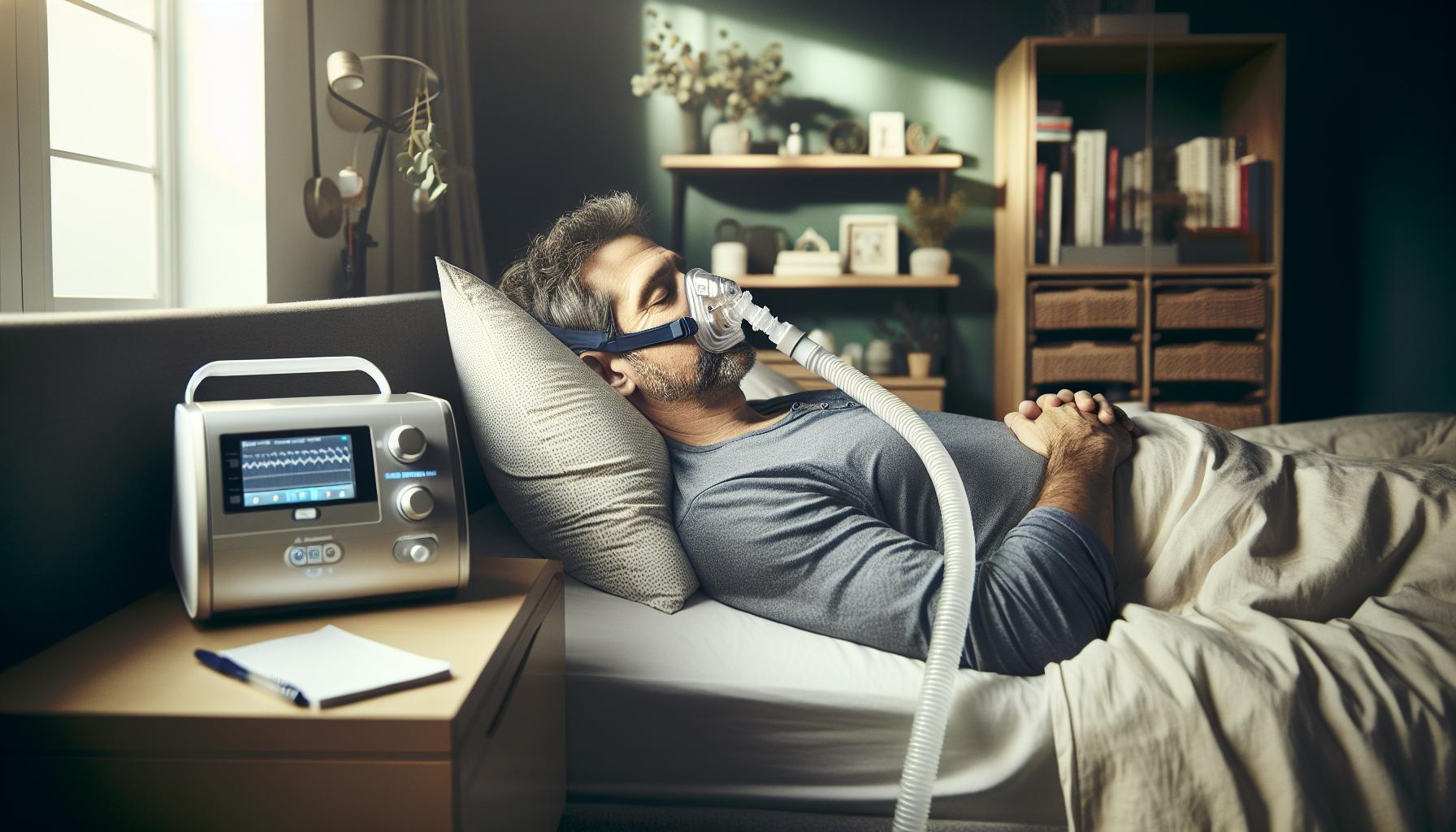
Key Drivers of Growth in Sleep Apnea Market
The sleep apnea market is experiencing rapid growth, driven by several key factors that reflect a heightened awareness and evolving therapeutic landscape. One of the most significant catalysts is the increasing prevalence of sleep apnea diagnoses, largely attributed to enhanced awareness among healthcare professionals and the public about the condition’s serious health implications. As more people recognize the signs and symptoms-such as snoring, fatigue, and daytime sleepiness-there is a greater demand for diagnostic services and treatment options.
Additionally, technological advancements are revolutionizing both diagnostics and therapeutics in the sleep apnea space. Innovations such as portable sleep monitoring devices and smartphone applications have made it easier for individuals to track their sleep patterns and detect potential issues without the need for traditional sleep lab evaluations. The integration of artificial intelligence and machine learning in sleep diagnostics is also paving the way for more accurate and efficient evaluations, helping to facilitate timely and effective treatment plans.
Cost-effectiveness is another vital factor driving market growth. As awareness increases, both consumers and insurers are beginning to understand the long-term healthcare savings associated with proactive sleep apnea management. For instance, treating sleep apnea can reduce the risk of serious conditions like hypertension and heart disease, ultimately leading to fewer hospital visits and lower overall healthcare costs. This perspective is making insurers more willing to cover sleep studies and therapies, further encouraging patients to seek necessary care.
Lastly, the push towards better health and wellness is influencing the sleep apnea market. A growing focus on overall well-being, compounded by the impacts of the COVID-19 pandemic, has made people more vigilant about their health, prompting many to prioritize quality sleep. As individuals seek solutions for improved sleep hygiene, the demand for effective sleep apnea treatments continues to rise, shaping a robust market landscape poised for further innovation and growth.
Overall, the combination of increasing awareness, technological advances, economic considerations, and a wellness-oriented mindset strengthens the foundation for a thriving sleep apnea market, enabling better outcomes for affected individuals.
Emerging Technologies in Sleep Apnea Diagnostics
are reshaping how we understand and address this common sleep disorder. Traditional diagnostic methods, like polysomnography (PSG), which involves spending the night in a sleep lab connected to multiple sensors, can be inconvenient and intimidating for many patients. Now, however, numerous innovative solutions are making it easier and less stressful for individuals to monitor their sleep patterns and detect issues relating to sleep apnea from the comfort of their homes.
Many new devices are designed for ease of use and accessibility. For instance, home sleep apnea testing (HSAT) kits can measure critical parameters like airflow, oxygen saturation, and heart rate with just minimal setup. These kits often include portable devices that use sensors to collect necessary data overnight, allowing busy individuals to skip long waits for appointments in sleep centers and get results faster. Additionally, wearable technology such as smartwatches and fitness trackers are now incorporating advanced sleep tracking features that can provide insights into sleep quality and potential apnea events, making them useful preliminary tools for symptom tracking.
Artificial Intelligence and Telehealth Integration
Another exciting development is the integration of artificial intelligence (AI) in sleep diagnostics. AI systems can analyze large sets of data from sleep studies to identify patterns that might be missed by human evaluators. This technology not only aids in accurate diagnosis but also speeds up the process, leading to quicker treatment interventions. For individuals who may be hesitant about undergoing traditional testing, AI-driven home tests offer a less intimidating alternative that can still yield robust insights about one’s sleep health.
Telehealth is also playing a significant role in enhancing access to diagnostic services. Many clinicians are now providing virtual consultations, enabling patients to discuss their symptoms and receive recommendations for diagnostic testing from the comfort of their own homes. This approach reduces barriers related to travel and time commitment, especially for those living in remote areas. It also allows patients to maintain more consistent follow-ups and adjustments to their treatment plans without the need for frequent in-person visits.
In conclusion, the emergence of new technologies in sleep apnea diagnostics empowers individuals to take control of their sleep health. With easier-to-use devices, the integration of AI, and the rise of telehealth, diagnosing sleep apnea is becoming more accessible and less stressful. If you’re experiencing symptoms like loud snoring or excessive daytime fatigue, exploring these technological solutions might be your first step toward obtaining a clearer understanding of your sleep health.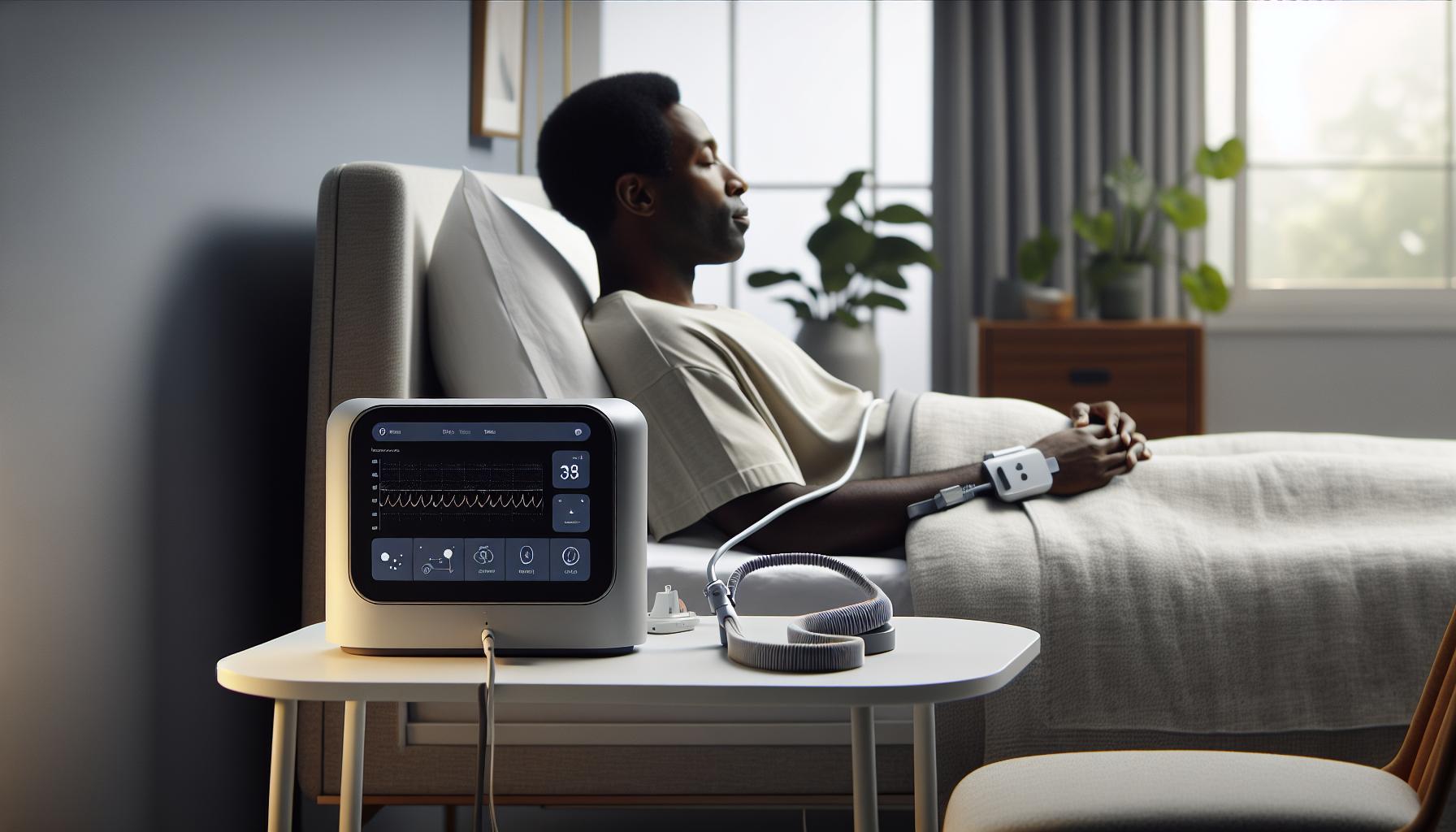
Innovations in Therapeutics for Sleep Apnea
Innovations are rapidly transforming the therapeutic landscape for sleep apnea, enhancing patient outcomes and compliance. Traditional treatments like continuous positive airway pressure (CPAP) machines, while effective, can be uncomfortable and inconvenient. Recent advancements are not only improving existing therapies but also introducing alternative options, making it crucial for patients to stay informed about the latest developments.
One of the most significant advancements is the evolution of oral appliance therapy. These custom-fit devices are designed to reposition the jaw and tongue during sleep, helping to keep the airway open. They are particularly beneficial for individuals who struggle with CPAP adherence. The latest oral appliances are now even more comfortable, lightweight, and more effective at reducing snoring and other obstructive sleep apnea symptoms.
In addition, the advent of hypoglossal nerve stimulation offers a novel approach for patients with moderate to severe sleep apnea who cannot tolerate CPAP. This implantable device stimulates the hypoglossal nerve, which controls the tongue’s movement, ensuring the airway remains clear during sleep. Patients experiencing this tech report significant improvements in their sleep quality, making this a promising alternative for many.
Wearable Technology and Apps
Wearable devices have become a valuable part of the sleep apnea management toolkit. Many smartwatches and fitness trackers now offer advanced sleep monitoring capabilities, which can help users identify patterns and triggers associated with their apnea episodes. While these devices are not standalone diagnostic tools, they provide insightful data that can empower users to discuss their sleep health with healthcare providers more effectively.
Apps specifically designed for sleep apnea management are also gaining popularity. These apps can track symptoms, help monitor treatment adherence, and even provide reminders for therapy. The integration of lifestyle management tools within these applications supports a holistic approach to treatment, encompassing factors like sleep hygiene and weight management-both critical components in addressing sleep apnea.
As more innovations emerge, staying informed is essential. Patients should actively engage with their healthcare providers about therapeutic options, ensuring they receive personalized recommendations based on their unique circumstances. Whether considering new oral appliances, technological devices, or surgical options, open dialogue is the first step toward better sleep health.
Market Trends Influencing Sleep Apnea Solutions
The landscape for sleep apnea solutions is strategically evolving, driven by several key market trends that enhance patient care and product effectiveness. As awareness of sleep apnea increases globally, healthcare providers and manufacturers alike are prioritizing personalized treatment options and improving patient accessibility.
One of the most significant trends is the integration of telehealth services in managing sleep apnea. Virtual consultations allow patients to receive expert advice without the need for extensive travel, making it easier to access necessary care, especially in remote areas. This shift not only streamlines diagnosis and follow-up appointments but also enables healthcare providers to monitor patient adherence to treatments through connected devices. Moreover, telemedicine bridges the gap between patients and specialists, facilitating a more collaborative approach to managing sleep health.
Another driving force in the market is the growing emphasis on data-driven solutions. Wearable technology and mobile applications are now equipped with advanced monitoring features, providing real-time insights into sleep patterns and apnea events. These tools not only empower users to take charge of their health by tracking their symptoms but also facilitate deeper conversations with healthcare providers. Users can share detailed data collected over time, helping to inform decisions regarding their treatment plans and improving overall compliance.
Lastly, consumer preference for comfort and convenience is reshaping product development in sleep apnea therapies. Traditional CPAP machines, while effective, often face user resistance due to discomfort associated with their use. Consequently, there is a notable trend towards more user-friendly alternatives such as customized oral appliances and innovative devices like hypoglossal nerve stimulators. Patients are increasingly seeking solutions that fit seamlessly into their lifestyles, leading manufacturers to explore designs that prioritize comfort without compromising efficacy.
These trends signal a shift towards a more patient-centered approach in sleep apnea management, ensuring that solutions are not only clinically effective but also align with lifestyle preferences. By staying informed about these developments, consumers can make empowered choices, fostering better treatment outcomes and overall sleep health.
Patient Perspectives: Experiences and Challenges
Living with sleep apnea introduces a myriad of challenges that extend beyond the physical symptoms of the disorder. Patients frequently report feelings of frustration and vulnerability as they navigate the complexities of diagnosis, treatment, and day-to-day management. A striking reality is that many individuals remain unaware they have sleep apnea until it significantly impacts their quality of life-ranging from chronic fatigue to an increased risk of serious health complications.
Patients often express anxiety about undergoing sleep studies, especially the polysomnography tests that are pivotal for diagnosis. The prospect of spending a night in an unfamiliar setting, connected to various monitors, can be daunting. However, understanding the process can alleviate much of this apprehension. Patients can expect to be asked about their sleep patterns and medical history, and the study itself is generally straightforward, allowing for comfortable monitoring of sleep stages and respiratory events. Many find that apprehension gives way to relief once they recognize how vital these tests are for getting an accurate diagnosis and effective treatment.
When it comes to treatment, the journey does not end with a diagnosis. Individuals frequently experience challenges in adjusting to standard therapies, such as Continuous Positive Airway Pressure (CPAP) machines. Complaints about discomfort and noise from these devices are common, leading to varying levels of adherence. Recent innovations in sleep apnea therapies, such as customized oral devices and nerve stimulation technology, provide hopeful alternatives for those who struggle with traditional methods. It is essential for patients to explore options and communicate openly with their healthcare providers to find solutions that enhance comfort and improve compliance.
Moreover, support networks play a crucial role in the journey of managing sleep apnea. Engaging with online forums or local support groups allows individuals to share experiences, tips, and emotional support. These communities can offer practical advice and insights on navigating insurance coverage, which can often be a source of confusion. Understanding how to approach insurance companies and what information to prepare can streamline the process, easing some of the financial strain associated with treatment.
Ultimately, patients facing sleep apnea must embrace a proactive approach to their health. By staying informed, seeking support, and maintaining open dialogue with healthcare providers, they can turn the tide against this challenging condition. With the right tools and support, managing sleep apnea is not just about overcoming obstacles; it’s about reclaiming the rest and health that every individual deserves.
Insurance Coverage and Financing Options for Treatments
Navigating the financial landscape of sleep apnea treatments can feel overwhelming, especially when faced with the complexities of insurance coverage. For many patients, the cost of diagnostic tests, such as polysomnography, and ongoing treatments, including CPAP therapy, represents a significant concern. It’s essential to understand not just what therapies are available, but also how they can be accessed affordably through various financing options.
Many health insurance plans cover sleep apnea diagnostics and treatments, but the specifics can vary widely. Patients should start by contacting their insurance provider to inquire about coverage details. Important factors to clarify include whether polysomnography is covered, any necessary pre-authorization steps, the extent of coverage for CPAP devices and accessories, and how out-of-pocket costs are handled. For those with High Deductible Health Plans (HDHPs), it’s crucial to understand how the deductible will impact the overall costs since many services may need to be paid out of pocket until the deductible is met.
Patients often have additional financing options to explore. Utilizing flexible spending accounts (FSAs) or health savings accounts (HSAs) can alleviate some financial pressure, as these allow patients to use pre-tax dollars for medical expenses including sleep apnea treatments. Additionally, some medical providers offer payment plans or financing programs that enable patients to spread out the costs of high-ticket items like CPAP machines over time, making them more manageable.
Furthermore, it’s helpful to stay informed about local and online resources where one can compare costs and insurance coverage options. Support groups and online forums can be invaluable as they often share personal experiences regarding insurance negotiations and financial resources. Engaging with these communities can reveal tips on how to secure the best possible coverage and where to find financial assistance.
In conclusion, while the financial aspect of managing sleep apnea can be daunting, patients have a variety of avenues to explore for coverage and support. By remaining proactive and informed-whether it’s understanding insurance nuances, utilizing tax-advantaged accounts, or seeking community advice-individuals can significantly reduce their financial burden and focus on reclaiming good sleep.
Comparative Analysis of Sleep Apnea Devices
When it comes to managing sleep apnea, choosing the right device can significantly influence your treatment success and overall comfort. With a variety of options available, understanding their key differences, features, and benefits is essential in making an informed decision. Two primary classifications of devices-diagnostic tools and therapeutic devices-play vital roles in the journey from suspicion to successful management of sleep apnea.
Therapeutic Devices
The most common therapeutic device for sleep apnea is the continuous positive airway pressure (CPAP) machine. By delivering a constant stream of air, CPAP helps keep the airway open during sleep. There are variations, including automatic CPAP (APAP) machines that adjust air pressure based on your needs throughout the night. While CPAP machines remain a gold standard in treatment, some patients may find them uncomfortable. Alternatives such as bilevel positive airway pressure (BiPAP) devices offer different pressures for inhalation and exhalation, which can enhance comfort, especially for those who struggle with the constant pressure of CPAP.
In recent years, oral appliances have gained traction as effective alternatives for mild to moderate sleep apnea. These devices reposition the jaw to keep the airway open and may be a good option for individuals who cannot tolerate CPAP therapy. However, they require a dentist’s fitting, which can add to the initial cost and complexity.
Diagnostic Devices
For diagnosing sleep apnea, polysomnography (PSG) is the gold standard and typically conducted in sleep labs. However, home sleep apnea tests (HSATs) are becoming increasingly popular due to their convenience and reduced costs. HSATs evaluate key breathing and oxygen levels in the patient’s home environment, offering a less intrusive option that can yield results similar to those from a sleep lab. While convenient, HSATs are not applicable for everyone and are primarily recommended for those with a high likelihood of obstructive sleep apnea.
Comparative Table
To help navigate the various options available, here is a simplified comparison of popular devices in both therapeutic and diagnostic categories:
| Device Type | Common Features | Typical Cost | Best For |
|---|---|---|---|
| CPAP | Constant airflow, humidification | $400 – $800 | Moderate to severe sleep apnea |
| APAP | Auto-adjusting pressure, data tracking | $500 – $1,000 | Diverse pressure needs during sleep |
| BiPAP | Different pressures for inhale/exhale | $1,000 – $2,000 | Patients who need varying pressure support |
| Oral Appliance | Custom fit, jaw repositioning | $1,800 – $3,000 | Mild to moderate sleep apnea |
| HSAT | Home use, portable | $150 – $400 | Initial screening for sleep apnea |
Choosing the right device involves weighing comfort, effectiveness, and your specific health needs. Consult with your healthcare provider for a tailored recommendation based on your unique circumstances, as they can guide you through the setup process and troubleshooting common issues that may arise. Remember, the right choice can significantly enhance your quality of sleep and overall health.
The Role of Telehealth in Sleep Apnea Management
Telehealth is transforming the landscape of sleep apnea management, making it easier than ever for patients to receive care from the comfort of their homes. The convenience of virtual consultations allows individuals to connect with healthcare providers without the barriers of travel and scheduling, significantly improving access to diagnosis and treatment. Studies indicate that telehealth can enhance patient adherence to treatment protocols, as it simplifies follow-ups and reduces the need for in-person visits, which can often be a source of anxiety.
In practice, telehealth services provide comprehensive support throughout the sleep apnea management journey. Patients can easily arrange for home sleep apnea tests (HSATs) and receive valuable guidance on how to prepare for these assessments. Moreover, many telehealth platforms offer educational resources that help patients understand their condition better, empowering them to make informed decisions regarding their care. This includes an overview of available devices, such as CPAP machines or oral appliances, outlining their features and benefits without the pressure of an in-office visit.
The role of telehealth also extends into ongoing treatment, especially when it comes to monitoring device efficacy and troubleshooting. Through remote patient monitoring, healthcare providers can access data collected from CPAP devices, enabling them to adjust settings or recommend changes as necessary based on the patient’s usage patterns and effectiveness of treatment. Should issues arise, such as discomfort with a CPAP mask or questions regarding device maintenance, patients can consult their providers virtually instead of enduring delays associated with in-person appointments.
As telehealth continues to evolve, its integration with emerging technologies holds great promise for enhancing sleep apnea care. For example, wearables and sleep trackers can provide real-time data that healthcare professionals can use to customize treatment plans further. These innovations are particularly attractive to younger patients who prioritize technology in their health management practices. With telehealth at the forefront of this evolution, individuals struggling with sleep apnea can expect a more responsive, personalized approach to their treatment, ultimately fostering better health outcomes.
Future Opportunities in the Sleep Apnea Market
As awareness around sleep disorders grows, the sleep apnea market is poised for significant advancements. An estimated 22 million Americans are affected by sleep apnea, with many undiagnosed, creating a substantial opportunity for market expansion in both diagnostics and therapeutics. Innovations in technology and an increasing demand for personalized healthcare solutions promise to transform how sleep apnea is diagnosed and managed, providing better outcomes for patients.
Personalized Diagnostics and Home Testing
Home sleep apnea testing (HSAT) continues to gain popularity due to its convenience and reduced costs compared to traditional in-lab sleep studies. Future opportunities lie in enhancing these at-home diagnostics with advanced digital platforms that integrate AI and machine learning for real-time analysis. These tools not only streamline the testing process but can also customize recommendations based on individual patient profiles, potentially leading to more effective treatment plans. As home testing becomes more sophisticated, it will enable even greater patient engagement in their own care.
Wearable Technology and Digital Health Tools
The integration of wearables in sleep apnea management opens a new frontier for real-time monitoring and patient engagement. Devices like smartwatches and dedicated sleep trackers are becoming capable of tracking key metrics such as heart rate, oxygen saturation, and sleep quality. As these technologies advance, we can expect augmented functionalities, such as alerts for apnea episodes or deeper data analysis to refine therapeutic strategies. Notably, wearables can empower patients to take control of their health by making informed lifestyle changes based on actionable insights gleaned from their sleep data.
Telehealth and Remote Monitoring
Telehealth has already changed the game for sleep apnea management, and its role will only continue to expand. Patients can receive consultations and adjustments to their therapies without leaving home, avoiding the stress and inconvenience of in-person visits. Future developments may include integrated platforms that not only facilitate consultations but also provide feedback from continuous remote monitoring devices. This will allow healthcare providers to make real-time adjustments to CPAP titrations or other therapeutic interventions based on ongoing patient data. Enhanced connectivity will ensure that patients receive timely, personalized care, enhancing adherence and overall treatment success.
Innovative Therapeutics and Treatment Approaches
The therapeutic landscape for sleep apnea is evolving, with pharmaceutical innovations and alternative therapies gaining traction. Research into new drug therapies that target the underlying mechanisms of sleep apnea could complement existing CPAP and oral appliance options. Additionally, newer methods such as neurostimulation devices show promise for reducing apneic events by modifying neural pathways. As more treatment options become available, the market will benefit from an expanded range of choices for patients who may struggle with traditional methods.
In summary, the future of the sleep apnea market is bright, fueled by a convergence of technological innovations, personalized diagnostic tools, and expanded treatment options. By bridging the gap between patients and healthcare providers through seamless integration of these advancements, we can enhance the management of sleep apnea, leading to better health outcomes and improved quality of life for those affected.
Policy Changes Affecting Sleep Apnea Care
Policy changes can profoundly affect the landscape of sleep apnea care, often altering how patients access diagnostics, treatment, and ongoing management. With an estimated 22 million Americans suffering from sleep apnea-many unaware of their condition-updates in healthcare policies can mean the difference between timely intervention and prolonged suffering. Recent legislative shifts are favoring increased coverage for sleep studies and therapies, which can significantly mitigate the financial burden on patients seeking diagnoses and treatment.
One notable trend is the expansion of insurance coverage for home sleep apnea testing (HSAT). Many patients prefer this convenient and often less expensive option over traditional in-lab studies. Policies that mandate insurance to cover HSAT, especially for individuals who meet certain risk factors, encourage more patients to pursue necessary evaluations. Enhanced access to diagnostics means earlier detection and treatment, directly impacting patient outcomes and quality of life.
Moreover, telehealth policy reforms have revolutionized patient access to care, allowing for remote consultations regarding sleep apnea management. Insurance plans are increasingly recognizing telehealth services, providing reimbursement and encouraging healthcare providers to offer virtual visits. This flexibility is essential for patients who may otherwise struggle to attend in-person appointments due to logistics or comfort. For instance, patients in rural areas or those with mobility issues benefit greatly from the ability to consult with specialists without incurring travel costs or time constraints.
Importantly, policy changes also influence the development of treatment options. As regulatory bodies approve innovative devices and therapies for sleep apnea-ranging from CPAP machines to surgical interventions-policies that support research funding and clinical trials can pave the way for future advancements. Such support encourages manufacturers to push the boundaries of treatment efficacy, ensuring patients have access to the latest, most effective solutions.
In summary, staying informed about ongoing policy changes is critical for patients and caregivers navigating sleep apnea care. As policies evolve to support better access, reimbursement, and innovative treatments, those affected by this condition can look forward to more comprehensive care options tailored to their needs.
Global Market Landscape: Regional Insights and Opportunities
The global landscape of sleep apnea diagnostics and therapeutics is rapidly changing, with significant regional insights and growth opportunities shaping the market. As awareness of sleep apnea increases and healthcare systems evolve, various regions are witnessing unique trends and demands that create a dynamic market environment.
In North America, particularly the United States, the prevalence of sleep apnea is catalyzing growth; estimates suggest that about 30 million adults suffer from moderate to severe obstructive sleep apnea. This region is characterized by advanced healthcare infrastructure, widespread insurance coverage for sleep studies, and a preference for home sleep apnea testing. With innovations in technologies like telehealth and portable diagnostic devices gaining traction, patients now have greater access to care and improved treatment pathways. Investments in research and the development of non-invasive therapies, such as oral appliances and adaptive servo-ventilation devices, are also on the rise.
Meanwhile, Europe presents distinct opportunities owing to variations in healthcare policies across countries. The European market is seeing an increased emphasis on patient education and early diagnosis, which is essential given the rising healthcare costs associated with untreated sleep apnea. Countries like Germany and the UK are implementing initiatives to integrate sleep medicine into primary care practices, streamlining access to diagnostic testing and treatment. Additionally, the introduction of European Union regulations aimed at enhancing the quality and safety of sleep apnea devices has spurred innovation among manufacturers in this region.
In Asia-Pacific, the landscape is transforming rapidly due to improving healthcare infrastructure and growing awareness about sleep disorders. As more individuals seek treatment, markets in countries like China and India are expanding significantly, driven by rising obesity rates and urbanization. Emerging technologies, including mobile health applications and wearables, are providing easier ways for patients to monitor their symptoms and share data with healthcare providers. The introduction of cost-effective devices tailored for this market is crucial, enabling broader access to diagnostic and therapeutic options.
Investors and manufacturers should consider these regional nuances when developing strategies for the sleep apnea market. Collaborations with local stakeholders to leverage specific market insights and addressing unique patient needs will be essential to tapping into the vast opportunities presented by this evolving landscape.
FAQ
Q: What are the primary growth drivers for the sleep apnea diagnostics and therapeutics market?
A: The primary growth drivers include the rising prevalence of sleep apnea, increased awareness about sleep disorders, technological advancements in diagnostic devices, and the development of innovative therapeutic options. Additionally, supportive healthcare policies and reimbursement models are enhancing market growth opportunities.
Q: How does the increase in obesity rates influence the sleep apnea market?
A: The surge in obesity rates significantly impacts the sleep apnea market, as obesity is a major risk factor for developing sleep apnea. This correlation is driving demand for effective diagnostic and therapeutic solutions, enhancing market growth as healthcare providers seek to address this critical issue.
Q: What role do telehealth services play in the sleep apnea market?
A: Telehealth services are transforming the sleep apnea market by providing convenient access to diagnostics and treatment consultations. They enhance patient engagement and encourage remote monitoring, making it easier for patients to manage their condition while reducing the burden on healthcare facilities.
Q: What technological innovations are shaping sleep apnea diagnostics?
A: Technological innovations such as home sleep apnea testing devices, advanced polysomnography equipment, and wearable sleep monitors are significantly shaping diagnostics. These technologies offer increased accuracy and ease of use, driving growth and improving patient outcomes in sleep apnea diagnosis.
Q: Why is patient awareness critical for the growth of the sleep apnea therapeutics market?
A: Increased patient awareness leads to higher detection rates of sleep apnea, prompting timely intervention and treatment. This awareness drives demand for therapeutics, supporting market growth by encouraging individuals to seek help and adhere to treatment plans.
Q: How do insurance coverage policies affect the sleep apnea treatment market?
A: Comprehensive insurance coverage for sleep apnea treatments encourages more patients to pursue diagnostics and therapies. When patients feel financially secure regarding treatment options, they are more likely to engage in their health, thus driving market growth.
Q: What are some emerging trends in sleep apnea treatments?
A: Emerging trends include the development of personalized medicine approaches, the use of innovative CPAP devices, and alternative therapies such as positional therapy and oral appliances. These trends are catering to diverse patient needs and preferences, enhancing treatment effectiveness.
Q: When should individuals seek a sleep apnea diagnostic evaluation?
A: Individuals should seek a diagnostic evaluation if they experience symptoms such as excessive daytime sleepiness, loud snoring, or observed breathing interruptions during sleep. Early diagnosis is crucial for effective management and improving quality of life.
Wrapping Up
As we’ve explored the dynamic landscape of the Sleep Apnea Diagnostics Therapeutics Market, it’s clear that understanding your options is more crucial than ever. With advancements in technology, from wearables to comprehensive sleep studies, there are various paths to effective management and treatment. Don’t wait to take control of your sleep health; explore our resources on improving sleep hygiene and the benefits of quality sleep to enhance your overall well-being.
Ready to dive deeper? Check out our insights on how sleep works and its critical role in brain health, or find the latest data on sleep disorders and testing improvements. If you have questions or need personalized advice, consider signing up for our newsletter or contacting our specialists. Your journey to restful sleep begins here-take the first step today!
Get our latest guides, news, and insights highlighted in your Google Search & AI Overviews.