
Sleep is essential for our overall well-being, yet many of us struggle to get the quality rest we need. If you suspect a sleep disorder, a sleep study may be a critical step toward understanding your sleep patterns and improving your health. However, the cost of a sleep study can be a daunting factor, especially when balancing insurance coverage with out-of-pocket expenses. In this article, we’ll break down the financial aspects of sleep studies, clarifying what you can expect to pay whether your insurance covers it or if you’re considering self-pay options. Understanding these costs is key to taking charge of your sleep health and making informed decisions. Let’s explore how much you might spend and what factors influence these costs, so you can take a confident step toward better sleep.
Understanding Sleep Study Costs: An Overview
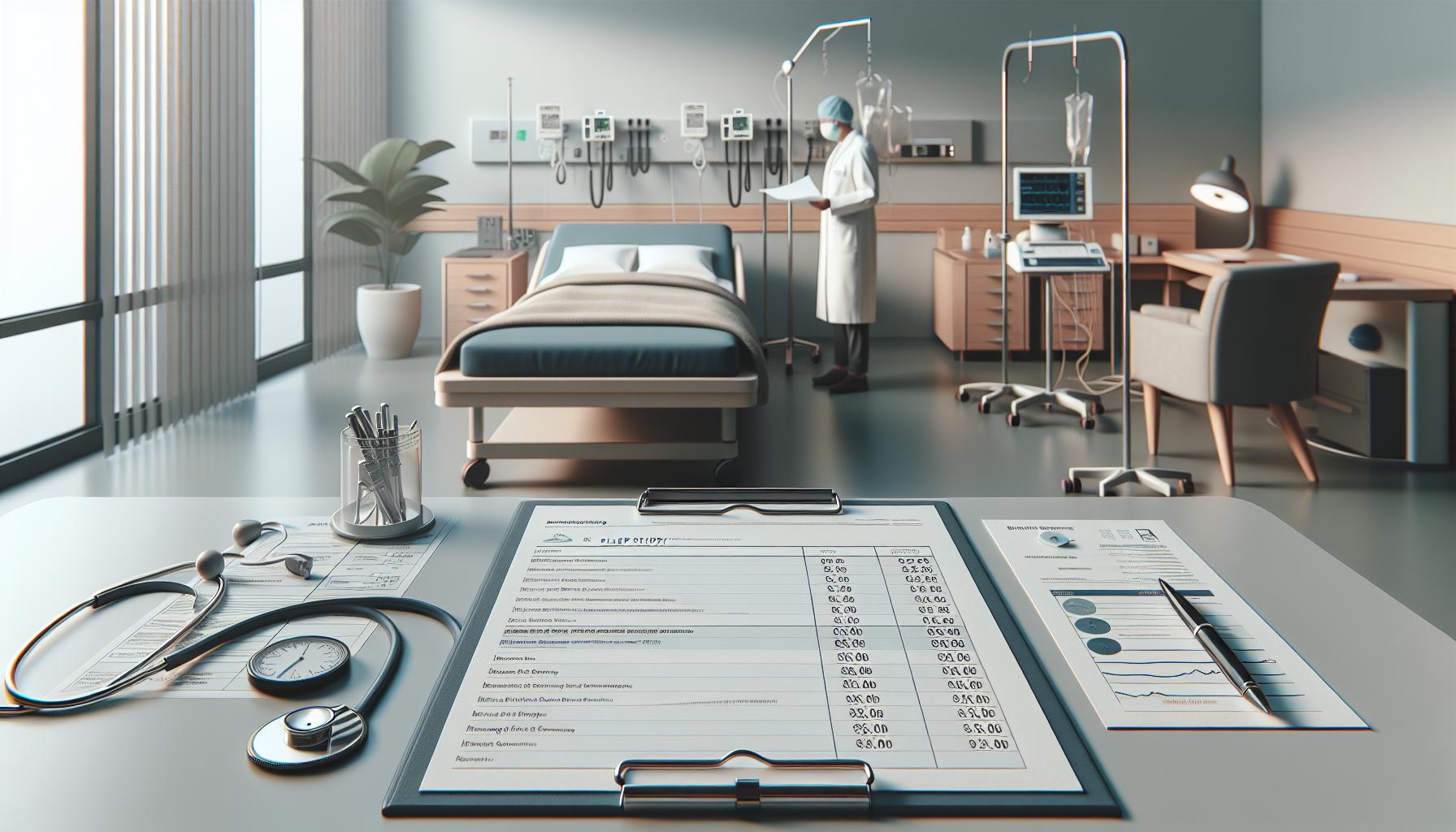
Understanding the costs associated with sleep studies is crucial for making informed decisions about your sleep health. On average, if you are paying out of pocket, a sleep study can range from $1,000 to $3,000 depending on several factors such as location, type of study, and facility costs. This can be a daunting figure, especially when considering that many individuals might not understand what these studies entail or how the pricing is structured.
Generally, sleep studies fall into two categories: in-lab and home sleep studies. In-lab studies, which typically offer more comprehensive monitoring, are more expensive due to the level of care and technology involved. Home studies, on the other hand, are usually less costly and involve simpler monitoring equipment. However, they may not provide as detailed data, making an in-lab study preferable for complex cases.
When navigating the costs, it’s also essential to consider insurance coverage. Many insurance plans may cover a portion of sleep study expenses, but policies differ significantly in terms of approved tests and provider networks. This sometimes leads individuals to strategic financial considerations, like opting for a home study when insurance approvals for in-lab studies are uncertain or more costly.
Always inquire about the total costs involved before scheduling a sleep study. Transparency is key; ask the facility for a detailed breakdown of expected charges, including any additional tests or visits required. Understanding these costs upfront can help you better manage your budget and avoid unexpected bills.
In conclusion, considering your sleep health doesn’t have to be a financially overwhelming endeavor. With the right information about sleep study costs-whether you are insured or self-paying-you can make an empowering decision towards improved sleep quality.
Insurance Coverage for Sleep Studies Explained
Navigating insurance coverage for sleep studies can feel overwhelming, but understanding the ins and outs is crucial for managing costs and ensuring you receive the care you need. Most insurance plans may cover sleep studies, but the extent of that coverage varies widely. Typically, policies will require specific criteria to be met before approving a sleep study, such as documented symptoms of sleep disorders like sleep apnea or chronic insomnia. It’s essential to check with your provider regarding what documentation is necessary to increase your chances of approval.
When considering your insurance options, start by reviewing your policy’s benefits regarding sleep studies. Many insurers categorize sleep studies as diagnostic tests, which means they might cover a significant portion of the costs if deemed medically necessary. To maximize your benefits, be proactive. Contact your insurer to confirm the details regarding coverage, including which types of sleep studies are included, and ask about any copays, deductibles, or out-of-pocket maximums that may apply.
Understanding Pre-Authorization
Many insurance companies require pre-authorization before covering a sleep study. This process often involves your healthcare provider submitting documentation that outlines your symptoms and past treatments. If your insurer approves the request, they will provide a confirmation that outlines the procedures that will be covered. Keep this information handy, as it can help mitigate any unexpected bills later.
In-Network vs. Out-of-Network Facilities
Another critical factor in insurance coverage is whether the sleep study is conducted at an in-network or out-of-network facility. In-network providers typically offer lower costs, whereas out-of-network facilities may leave you with significantly higher out-of-pocket expenses. If you have a preferred sleep center, check if they accept your insurance plan and if they are in-network. This simple step can help you avoid financial surprises.
Finally, it’s beneficial to ask your healthcare provider for recommendations on where to have a sleep study conducted, as they often have experience working with insurance companies and can guide you toward facilities with favorable coverage terms. Handling insurance can be intricate, but with the right approach and information, you can navigate your options more confidently, ensuring you receive the necessary testing without breaking the bank.
Self-Pay Options: What to Expect and Costs
When considering a sleep study, many are surprised by the costs involved, especially if opting for self-pay options. Generally, if you are paying out of pocket, the price can vary significantly based on factors like location, type of study, and facility rates. Typically, a comprehensive in-lab sleep study can range from $600 to $3,000, while home sleep tests (HST) are more affordable, usually costing between $150 and $500. Understanding these numbers can empower you to make a more informed decision.
What to Expect During the Process
If you choose to pay for a sleep study yourself, it’s essential to know what the process entails. For an in-lab study, you will spend the night at a sleep center, where trained technicians will monitor your sleep using various sensors placed on your body. During a home sleep test, you will receive a simplified device to wear at home, which typically includes sensors for breathing and oxygen levels. If you’re concerned about any aspect of the process, communicating with the staff beforehand can ease your anxiety and clarify expectations.
Cost Considerations
Prices can also differ based on whether the sleep study is performed at a hospital or an independent sleep clinic. Hospitals often charge more due to overhead costs, so seeking out standalone sleep centers can be a more economical choice. Additionally, inquire about payment plans or discounts that might be available for self-pay patients, as many facilities offer options to help manage costs.
Some facilities may provide a comprehensive breakdown of what you can expect to pay ahead of time, helping you budget accordingly. Be sure to ask for an estimate that includes all related services-such as follow-up appointments and additional testing-so you are not caught off guard by hidden fees.
In conclusion, while self-paying for a sleep study may seem daunting, understanding the costs involved and knowing what to expect can help you navigate the process more smoothly. Engaging with providers early on can provide reassurance and clarity as you seek to address your sleep concerns.
Comparing In-Lab vs. Home Sleep Studies
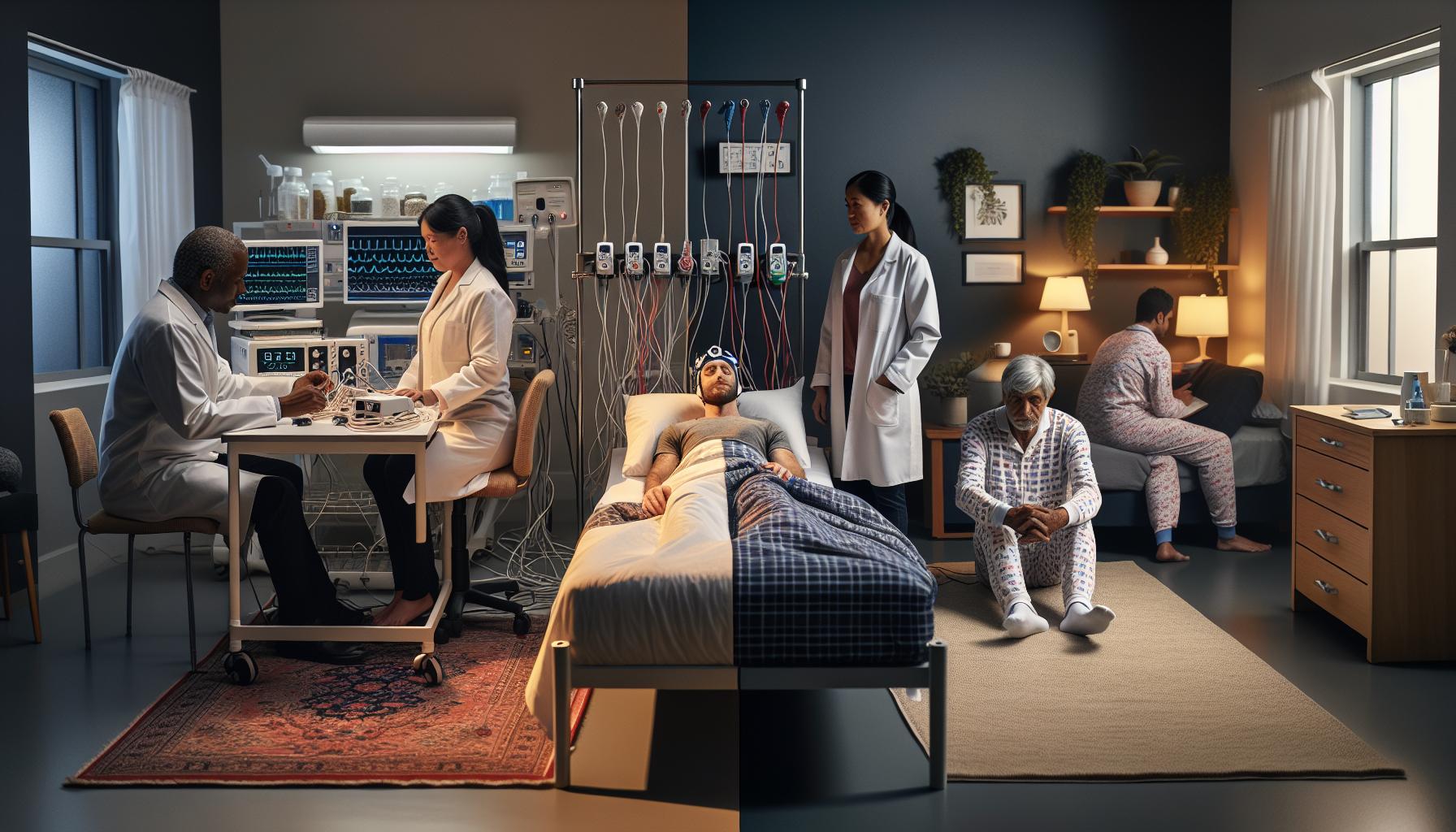
When deciding between an in-lab sleep study and a home sleep test, it’s essential to weigh the pros and cons of each option, particularly in terms of cost, convenience, and diagnostic capabilities. In-lab studies, often seen as the gold standard for diagnosing sleep disorders, typically provide a comprehensive overview of your sleep dynamics. These studies, which can cost anywhere from $600 to $3,000, monitor a wide range of metrics, including brain waves, oxygen levels, heart rate, and respiratory effort, all under the supervision of trained technicians in a controlled environment.
On the other hand, home sleep tests (HST) present a more budget-friendly alternative, usually ranging from $150 to $500. Designed for those suspected of having obstructive sleep apnea (OSA), these tests allow you to conduct your sleep monitoring in the comfort of your own home. While they’re less intrusive and may seem more relaxed, HSTs typically rely on fewer sensors and can miss certain conditions like central sleep apnea or sleep-related movement disorders. This trade-off can influence not only your pocketbook but also the accuracy of your diagnosis.
In practical terms, preparing for an in-lab sleep study involves more extensive coordination, as you may need to arrange transportation and take time off work. Conversely, a home sleep study requires minimal setup. You may simply need to follow instructions to wear a small device that records your sleep patterns. While convenience is a significant advantage of home tests, it’s crucial to recognize that their simpler design may limit the diagnostic depth compared to in-lab studies.
Ultimately, the decision between in-lab and home sleep studies should be guided by your specific symptoms, your comfort with the testing process, and your healthcare provider’s recommendation. For complex sleep issues, an in-lab study may provide a clearer picture, whereas, for straightforward cases like OSA, a home test may suffice. Engaging in a candid discussion with your healthcare provider about your options can ensure that you choose the most appropriate and cost-effective path for your sleep health.
Common Sleep Disorders and Their Impact on Costs

Sleep disorders are common, affecting millions and often leading to significant healthcare costs. When considering a sleep study, understanding the types of disorders and their associated costs can empower you to make informed decisions about your sleep health.
Obstructive Sleep Apnea (OSA) is one of the most prevalent sleep disorders, characterized by repeated interruptions in breathing during sleep. For those suspected of having OSA, a sleep study is critical for diagnosis and is often covered by insurance. In-lab studies are generally more expensive, ranging from $600 to $3,000, whereas home tests may cost about $150 to $500 [[1](https://www.sleepfoundation.org/stages-of-sleep)]. If your insurance covers sleep studies, your out-of-pocket cost can be significantly reduced, but those without coverage may face substantial fees.
Other disorders, like insomnia or restless legs syndrome, might require different approaches. Insomnia, which causes difficulty in falling or staying asleep, may not always necessitate a sleep study unless it’s severe. Often, your healthcare provider might recommend lifestyle changes or cognitive behavioral therapy first, thus avoiding the high costs of a study. Alternatively, restless legs syndrome can sometimes be assessed through telehealth consultations, reducing expenses associated with physical sleep lab visits.
Here’s a brief overview of how various sleep disorders impact potential costs related to sleep studies:
Cost Comparison by Disorder
| Disorder | Typical Study Type | Estimated Cost Range |
|---|---|---|
| Obstructive Sleep Apnea (OSA) | In-lab or Home Sleep Test | $150 – $3,000 |
| Insomnia | Consultation, possibly in-lab | Variable, typically lower |
| Restless Legs Syndrome | Consultation or telehealth | Lower, may avoid study altogether |
Choosing to pursue a sleep study is not just about managing symptoms; it’s an investment in long-term health. Having clear insights on how common sleep disorders can impact costs allows you to weigh your options effectively, ensuring you choose the necessary tests while managing expenses in a way that aligns with your healthcare plan. Always discuss your symptoms with a healthcare professional to determine the best and most cost-effective approach for your situation.
How to Prepare for Your Sleep Study
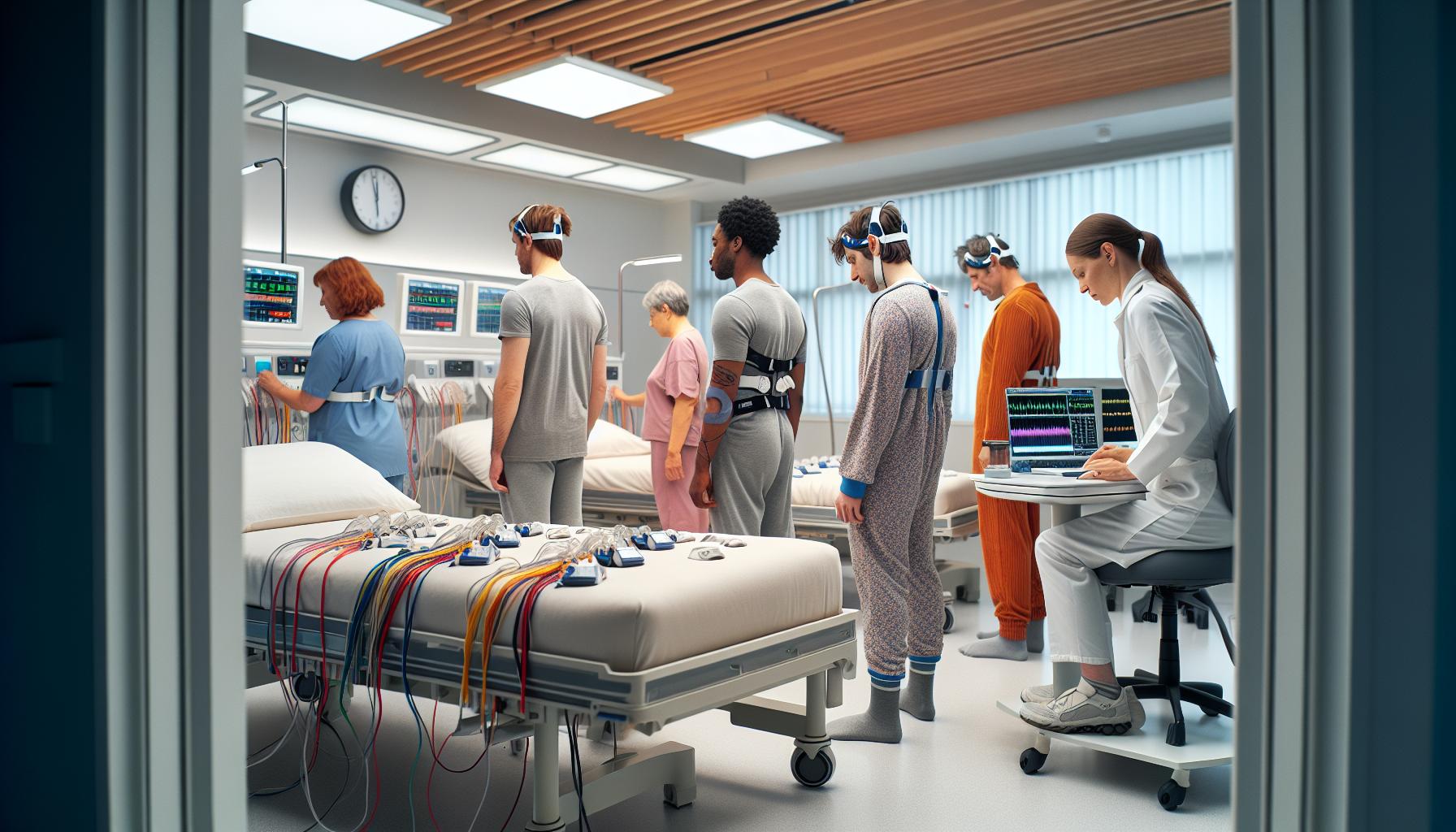
Preparing for a sleep study can often feel overwhelming, but knowing what to expect will help ease your anxiety. As you gear up for your assessment, consider a few essential steps to streamline the process and make the most of your sleep study experience.
First, familiarize yourself with any pre-study requirements outlined by your healthcare provider. This may include discontinuing certain medications that could affect your sleep patterns, such as sedatives or stimulants. It’s also helpful to track your sleep for a week prior to the study, noting when you go to bed, when you wake up, and any disturbances you experience. This information can provide valuable insights to your doctor and assist in determining the need for the study.
When the night of the study arrives, create a calming bedtime routine. Go to bed at your usual time and avoid caffeine, alcohol, or heavy meals a few hours before your appointment. If you’re having an in-lab study, pack comfort items like a favorite pillow or blanket, as familiarity can make the environment feel less intimidating. Ensure you dress in comfortable attire that is easy to sleep in, and if possible, wear clothes that allow for easy application of monitoring devices.
For in-home studies, your provider will typically supply a sleep kit, which includes the necessary equipment like sensors for your wrists and chest. Familiarize yourself with the device instructions ahead of time to avoid confusion. If you’re using portable monitors or wearables, ensure they’re fully charged and functioning before your scheduled test.
Lastly, keep a positive attitude toward the process; understanding that the goal of a sleep study is to help pinpoint any issues with your sleep will empower you to approach it with optimism. Your sleep health is vital, and taking proactive steps for preparation can lead to meaningful solutions and a better night’s rest.
What Happens During a Sleep Study?
During a sleep study, also known as polysomnography, you might feel overwhelmed by the array of wires and sensors connected to your body, but remember that this setup is essential for understanding your sleep patterns. The primary goal of a sleep study is to gather comprehensive data on your sleep stages, breathing patterns, and heart activity, which can help diagnose issues like sleep apnea, insomnia, or restless leg syndrome.
When you arrive at the sleep center or prepare for an at-home test, the process typically begins with a brief interview with a technician. They will ask about your sleep habits, medical history, and any medications you take, which helps tailor the study to your specific needs. If it’s an in-lab study, you’ll be taken to a comfortable room designed to resemble a typical bedroom, reducing anxiety and promoting restful sleep. For home studies, you’ll receive a setup kit to easily apply the monitoring devices.
Once settled in, technicians will attach sensors to various parts of your body. These may include electrodes on your scalp, face, chest, and limbs, as well as bands around your abdomen to monitor respiration. You might feel a bit constrained, but these devices are crucial for tracking brain waves, heart rate, and muscle activity throughout the night. It’s important to relax and try to sleep as you normally would, as your sleep architecture-how you cycle through various sleep stages-will provide valuable insights.
As you sleep, the equipment records detailed data that will later be analyzed to identify any sleep disorders. Each stage of sleep-light sleep, deep sleep, and REM-plays a vital role in your overall health. Understanding how often and how deeply you achieve these stages is key in evaluating sleep quality. By waking you up gently at the end of the study or the next morning, technicians ensure you leave feeling rested and informed, ready to discuss the next steps with your healthcare provider, including any treatment options or lifestyle changes based on the results.
Key Factors Influencing Sleep Study Pricing
The cost of a sleep study can be a significant concern for many individuals considering undergoing this essential procedure. Various factors can influence the ultimate out-of-pocket expense, whether you’re relying on insurance coverage or opting for self-pay options. Understanding these elements can empower you to make informed decisions about your sleep health.
Understanding the Cost Breakdown
When evaluating sleep study pricing, consider the following key factors:
- Type of Study: In-lab studies tend to be more expensive than home sleep tests. In-lab studies can range from $1,000 to $3,000, depending on location and facility, while home studies may cost between $150 and $500.
- Insurance Coverage: Not all insurance plans cover sleep studies equally. Check your plan to understand your deductible, copays, and whether pre-authorization is required. Coverage often varies by state and provider, which can lead to unexpected out-of-pocket expenses.
- Location: Geographic location significantly impacts pricing. Sleep centers in urban areas may charge more due to higher operational costs than those in rural regions.
- Technician Fees: The expertise of the technician conducting the study can influence costs. Highly experienced technologists might charge more, but their expertise could yield a more thorough analysis of your sleep patterns.
Preparing for Potential Costs
Preparation can go a long way in mitigating financial surprises. Before scheduling your sleep study, research different facilities, and ask for pricing transparency. Inquire if the facility offers payment plans or discounts for self-pay patients. Additionally, consider reaching out to your insurance provider to clarify coverage specifics and ensure potential approvals are in place.
Understanding the factors that influence sleep study pricing will not only prepare you for the financial aspects but also equip you to advocate effectively for your health needs. Whether you choose an in-lab or home study, being informed encourages peace of mind as you navigate this critical step toward better sleep health.
Navigating Your Insurance Benefits for Sleep Studies
Understanding how to navigate your insurance benefits for sleep studies can significantly ease the financial burden and anxiety associated with these tests. Many individuals are unaware that their insurance plans may cover a substantial portion, if not all, of the costs associated with sleep studies, which can range widely. For example, in-lab sleep studies can cost between $1,000 and $3,000, while home sleep tests are generally much cheaper, costing between $150 and $500. Knowing how to leverage your insurance benefits can make a noticeable difference in your out-of-pocket expenses.
Start by thoroughly reviewing your insurance policy to understand the specifics regarding sleep studies. Look for details about coverage limits, deductibles, and whether pre-authorization is required. Many insurance companies classify sleep studies as diagnostic procedures, which might come with different levels of coverage depending on your condition-such as sleep apnea or insomnia. Don’t hesitate to contact your insurance provider directly for clarification; asking precise questions can help you avoid unexpected charges. For example, you can inquire whether your plan covers specific types of studies, like in-lab versus home tests, to ensure you’re getting the most cost-effective option.
Documentation is key when navigating insurance claims. Ensure you have a clear referral from your primary care physician, which is often required for coverage. It’s also beneficial to request a detailed breakdown of costs from the sleep study facility, as well as any relevant procedure codes, before your study. This proactive approach can help you understand what you might pay upfront and assist in disputing any unexpected bills later.
In some cases, insurance companies will cover only certain facilities, so verify that your chosen sleep center is in-network to maximize your benefits. If you find that your insurance offers limited coverage, exploring self-pay options might be worthwhile, especially if the cost of an in-lab study seems prohibitive. Many facilities offer payment plans or discounts for self-pay patients, making sleep health accessible without compromising your financial situation.
Lastly, once your sleep study is complete, follow up promptly with your insurance company to ensure that your claim is processed correctly. Keep all paperwork organized and maintain records of any communications regarding your claim. This methodical approach while navigating your benefits can not only save you money but also give you peace of mind about prioritizing your sleep health without the added worry of financial strain.
Using Wearables: Alternatives to Traditional Sleep Studies
Wearable technology has revolutionized how we approach sleep health. As an accessible alternative to traditional sleep studies, devices like fitness trackers and smartwatches provide valuable insights into your sleep patterns without the hefty price tag. The cost of wearables typically ranges from $50 to $350, a fraction of an in-lab sleep study which can run into thousands of dollars. For those hesitant about undergoing a sleep study – be it due to anxiety about the clinical environment or concerns about expenses – wearables present a practical option worth considering.
Understanding the Benefits and Limitations
Wearables can track various sleep metrics, including sleep duration, stages of sleep, heart rate, and even movement. This data helps users identify trends and potential issues in their sleep patterns. Devices like the Fitbit or Oura Ring are popular choices, and their accompanying apps make it easy to visualize sleep trends over time. However, it’s essential to approach the insights provided by these devices with realistic expectations; they don’t utilize polysomnography-the gold standard for diagnosing sleep disorders-but can signal the need for further evaluation.
While wearables can be excellent for monitoring your sleep habits, they may not be precise enough for diagnosing specific sleep disorders like sleep apnea or insomnia. For instance, if your tracker indicates frequent wakefulness, it may warrant a professional evaluation, particularly if coupled with symptoms such as excessive daytime sleepiness. In such cases, a sleep study could provide a definitive diagnosis, but wearables can serve as a valuable first step in assessing your sleep health.
Which Wearables Are Worth Considering?
When evaluating wearables, consider the following factors:
- Accuracy: Some devices offer better insights than others; look for reviews and expert opinions.
- Comfort: Ensure the device can be worn comfortably throughout the night.
- Features: Consider what metrics are important to you – some track only sleep duration, while others provide in-depth analysis.
For example, the Oura Ring is known for its comfort and comprehensive data, making it ideal for serious sleep tracking. On the other hand, Fitbit offers a range of budget-friendly options with reliable performance. It’s crucial to choose a wearable that fits your lifestyle and comfort needs while meeting your sleep tracking goals.
Lastly, remember to combine the data from these wearables with your intuition and daily experiences. If your device indicates poor sleep quality but you feel rested, it might be a quirk of the technology rather than a cause for concern. However, if you frequently feel tired, it may be time to consult with a healthcare professional about possible sleep diagnostics, such as a traditional sleep study. Wearables serve as a great gateway to understanding your sleep, empowering you with knowledge and possibly saving you money in the long run.
After the Sleep Study: Next Steps and Outcomes
After completing your sleep study, you might be eager to understand what comes next and how to interpret the results, especially concerning costs related to insurance and self-pay. Typically, the results of a sleep study can take anywhere from a few days to a couple of weeks to be analyzed by a sleep specialist, who will provide insights into your sleep patterns and any potential disorders identified during the study.
One of the first steps is to follow up with your healthcare provider to discuss the results. This meeting is essential for understanding your diagnosis-be it sleep apnea, insomnia, or other sleep-related disorders-and discussing tailored treatment options. Treatments might range from lifestyle changes and therapeutic interventions to devices like CPAP machines for sleep apnea. Ensuring that you understand the treatment options available will empower you to make informed decisions about your health.
In terms of costs, it’s crucial to verify what your insurance covers concerning follow-up appointments and any prescribed treatments. If you opted for a self-pay sleep study, you may face additional out-of-pocket costs depending on required follow-up care and devices. Here’s a brief summary of potential costs post-study:
| Item | Estimated Cost |
|---|---|
| Follow-up Consultation | $100 – $300 |
| CPAP Machine | $500 – $3,000 |
| Sleep Medications | $10 – $300/month |
Moreover, be proactive in navigating your insurance benefits. Reach out to your provider to explain what is covered for subsequent appointments or devices you might need. This step can help prevent unexpected costs. Alternatively, if paying out-of-pocket, inquire about any available payment plans or discounts offered by your sleep center or medical provider.
Ultimately, the aftermath of your sleep study is a pivotal time for taking charge of your sleep health. Assess the insights shared by specialists, evaluate your next steps on treatment options, and address potential costs with clarity and confidence. With this knowledge at hand, you can navigate your path towards improved sleep successfully.
Real-Life Scenarios: When to Schedule a Sleep Study
Sleep studies can be a critical step in diagnosing sleep disorders, but knowing when to schedule one can be overwhelming. If you’ve noticed that you consistently struggle with excessive daytime sleepiness, loud snoring, or frequent pauses in breathing during sleep, it might be time to consult a sleep specialist. Additionally, symptoms like difficulty concentrating, mood changes, or restlessness at night can indicate that sleep apnea or other conditions might be at play. Catching these issues early can prevent more serious health complications down the line.
An example might clarify this further: consider Sarah, a 42-year-old who has been experiencing extreme fatigue despite a full night’s sleep. She keeps waking up feeling unrested, and her partner has mentioned that she snores loudly. After discussing her symptoms with her doctor, Sarah learns that a sleep study can help determine whether she has sleep apnea, which could explain her symptoms. In Sarah’s case, her doctor recommends an overnight in-lab sleep study, a step that could lead to a diagnosis and effective treatment that enhances her quality of life.
On the other hand, not every situation requires a cumbersome sleep study. For those who occasionally experience sleep disruptions but not consistently, wearable technology or sleep trackers can offer insights without the need for an extensive study. These devices can help monitor sleep patterns, providing valuable data for self-assessment or discussions with a healthcare provider about potential issues. However, if the data collected suggests irregularities, it might then be wise to consider a formal sleep study.
Understanding when to pursue a sleep study can save you time, anxiety, and money. If symptoms persist despite attempts to improve sleep hygiene, or if you find a significant impact on your daily functioning, reaching out to a sleep clinic is a proactive step. By scheduling a consultation, you can effectively navigate your options, whether it leads to a diagnostic sleep study or simply leveraging technology for better sleep monitoring.
FAQ
Q: How much does a sleep study typically cost without insurance?
A: A sleep study can cost between $600 to $5,000 without insurance, depending on factors like location and test type. In-lab studies are usually more expensive than home sleep tests. To minimize costs, consider checking local facilities for self-pay discounts or payment plans.
Q: What is the average insurance coverage for a sleep study?
A: Most insurance plans cover sleep studies if deemed medically necessary. Average out-of-pocket expenses can range from $100 to $500 after deductibles. It’s essential to verify coverage specifics with your provider beforehand to avoid unexpected costs.
Q: Are there any costs associated with preparing for a sleep study?
A: Yes, there might be pre-study costs like consultations or initial sleep assessments. These can add up, depending on your insurance plan. Always check your insurance details and inquire about any associated fees before your study day.
Q: What costs should I expect after a sleep study?
A: Follow-up appointments and potential additional testing can incur costs after your sleep study. Typically, these expenses range between $75 to $300. Discuss with your physician beforehand to understand the possible financial implications.
Q: Are home sleep studies cheaper than in-lab studies?
A: Yes, home sleep studies are generally cheaper, costing between $150 to $600 compared to $600 to $5,000 for in-lab studies. They are also more convenient, making them a popular choice for many.
Q: Is financing available for sleep studies?
A: Many sleep study facilities offer financing options or payment plans to help cover your costs. Check with your provider for specific financing programs that can make paying for a sleep study more manageable.
Q: Can I use health savings accounts (HSAs) to pay for sleep studies?
A: Yes, you can typically use HSAs to pay for sleep studies, as they are considered qualified medical expenses. This can help you save on out-of-pocket costs. Be sure to keep all receipts for reimbursement.
Q: What factors influence the cost of a sleep study?
A: Various factors affect sleep study costs, including the type of study, your location, facility fees, and whether the study is performed at home or in-lab. Consult your sleep center for a detailed cost breakdown.
To Wrap It Up
Understanding the costs of a sleep study, whether through insurance or self-pay, is essential for making informed health decisions. Remember, taking the first step toward addressing your sleep concerns can drastically improve your quality of life. If you’re still uncertain about whether a sleep study is right for you, explore our articles on navigating insurance options for sleep health and natural remedies for insomnia to empower your choices.
Don’t hesitate to visit our comprehensive resources on a variety of sleep topics, like the benefits of wearables and cutting-edge sleep technology. Interested in more personalized advice? Sign up for our newsletter for expert insights delivered straight to your inbox. Engage with us! Share your thoughts or questions in the comments below, and let’s continue this conversation. Your journey to better sleep starts now-stay informed, stay empowered!
Get our latest guides, news, and insights highlighted in your Google Search & AI Overviews.