
Did you know that over 70 million Americans struggle with sleep disorders, affecting everything from mood to overall health? An at-home sleep study can be a game-changer, offering a convenient way to assess your sleep patterns and diagnose conditions like sleep apnea. These studies provide valuable insights into your sleep cycle, oxygen levels, and other physiological signals, helping you understand the quality of your rest without the stress of a lab environment. As you explore this topic, you’ll discover how easy it is to set up a home sleep test and what to expect from the results. Understanding these findings is crucial for making informed decisions about your sleep health, leading to better overall well-being. Ready to dive in and learn how an at-home sleep study can illuminate the secrets of your sleep?
What to Expect from an At-Home Sleep Study
An at-home sleep study is a transformative step in diagnosing sleep disorders, offering convenience without the anxiety of a clinical environment. As you prepare for this experience, it’s essential to understand what to expect during the process. Unlike traditional in-lab studies, which require overnight stays at a medical facility, an at-home sleep test allows you to monitor your sleep patterns in the comfort of your own bed. Typically, these studies utilize a simpler, user-friendly device that tracks your breathing patterns, oxygen levels, and heart rates while you sleep, effectively identifying potential sleep apnea or other sleep-related issues.
On the night of the test, you will put on the device that may include components such as a nasal cannula, a wrist monitor, and a chest strap. These devices are designed to be easy to use, often requiring minimal setup. You’ll usually receive instructions on how to properly place and wear the devices, which should only take a few minutes. This setup process can feel daunting for some, but rest assured that most patients find the technology manageable after the initial instructions. It’s common to have some anxiety about how well these devices will work or concerns about sleep quality during the test; however, the benefits of gathering critical data about your sleep often outweigh these worries.
Once the test is complete, the data it collects will be analyzed to provide insights into your sleep quality and any potential disturbances. You’ll typically receive a comprehensive report detailing factors such as how long you slept, how many times you woke up, and any occurrences of apnea. This information not only sheds light on your sleep health but also empowers you and your healthcare provider to make informed decisions regarding necessary treatments or further evaluations. Understanding the straightforward nature of at-home sleep studies can help demystify the process, making it less intimidating and more accessible to those seeking answers about their sleep.
Key Benefits of At-Home Sleep Testing
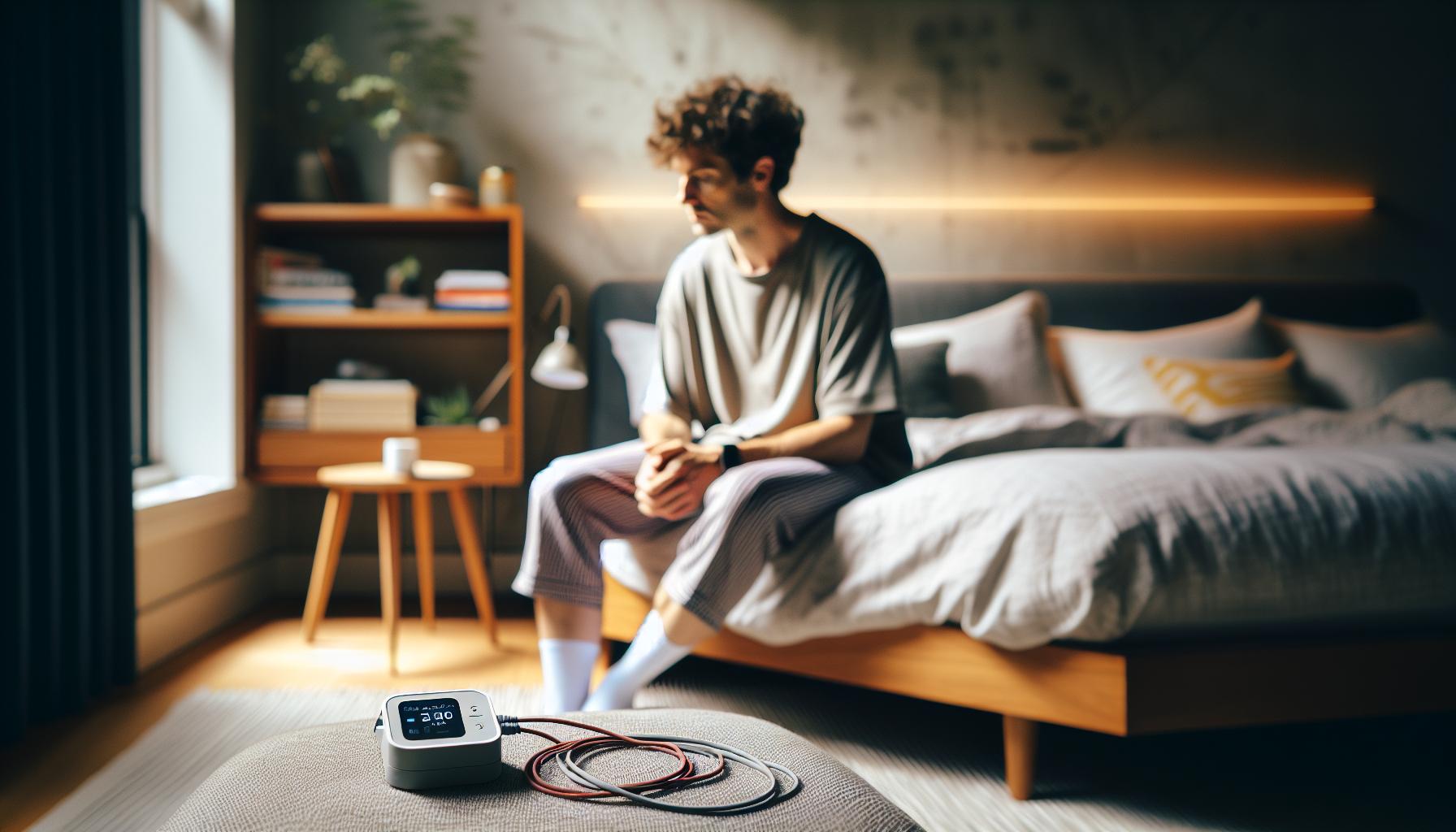
At-home sleep testing offers a range of benefits that make it an appealing choice for individuals suspecting they may have a sleep disorder. One of the most significant advantages is the convenience it provides. Conducting a sleep study in the comfort of your own bed eliminates the discomfort and anxiety often associated with hospital settings. You can maintain your usual sleep routine in a familiar environment, which can lead to more natural and accurate sleep data collection.
Moreover, at-home sleep studies are generally more cost-effective compared to in-lab testing. They usually have lower overall costs-saving on facility and staff expenses-making them a more accessible option for many. This affordability can lessen financial stress and make it easier for patients to take the necessary steps towards understanding and improving their sleep health.
Another key benefit is the ease of use of the devices employed in these tests. Many at-home sleep study kits come with simple, easy-to-follow instructions and user-friendly equipment. Typically, these devices include a wrist monitor, nasal cannula, and chest strap, all designed to be comfortably worn during sleep. Even those who feel apprehensive about technology often find these tools manageable, allowing for a seamless experience.
Finally, the data garnered from at-home sleep studies can provide essential insights into various sleep disorders such as obstructive sleep apnea (OSA). These studies typically measure critical parameters like oxygen saturation, breathing patterns, and heart rate during sleep. By identifying the frequency and severity of any apnea events, healthcare providers can create personalized treatment plans that directly address your sleep issues. Understanding the results of your home sleep study can empower you and your healthcare provider to take actionable steps towards better sleep health.
In conclusion, the benefits of at-home sleep testing-convenience, cost-effectiveness, ease of use, and valuable data-position it as a practical first step in the journey towards diagnosing and managing sleep disorders.
Understanding the Results of Your Sleep Study

The results of your at-home sleep study can provide a wealth of information, shedding light on the quality of your sleep and identifying potential disorders. After monitoring you throughout the night, the data collected are analyzed to reveal several critical metrics related to your sleep patterns. One of the most crucial aspects measured is oxygen saturation. A drop in oxygen levels during sleep may indicate obstructive sleep apnea (OSA), where the airway becomes blocked, causing breathing interruptions.
Additionally, the study will provide insights into your breathing patterns, detailing how often you experience apneic events-periods where breathing temporarily stops. Measurements of heart rate are also included, as variations can indicate how your body responds to these interruptions. Combined, this data helps summarize the frequency and severity of sleep disturbances, often reported as the Apnea-Hypopnea Index (AHI). This index quantifies how many times you experience apneas or hypopneas (shallow breathing) per hour, thereby offering a critical indicator of the severity of sleep apnea if present.
Interpreting Key Metrics
When you receive your results, you may encounter several specific metrics, including:
- Oxygen Desaturation Index (ODI): Indicates how often your blood oxygen levels dropped below 90% during the night.
- Total Sleep Time (TST): Measures the total minutes spent asleep, which can help assess sleep efficiency.
- Sleep Stages: An analysis may provide insights into how much time you spend in different sleep stages (light, deep, and REM sleep).
Understanding these results empowers you to make informed decisions about your sleep health. If significant issues are identified, you may be referred to a healthcare provider for further evaluation or treatment options, such as Continuous Positive Airway Pressure (CPAP) therapy for sleep apnea.
Ultimately, while the data from your home sleep study provides a snapshot of your sleep health, keeping an open line of communication with your healthcare provider is vital. They can help contextualize the metrics and ensure you understand how they relate to your overall well-being. With this knowledge, you can take confident steps towards improving your sleep quality and enhancing your health.
Types of Sleep Disorders Diagnosed at Home
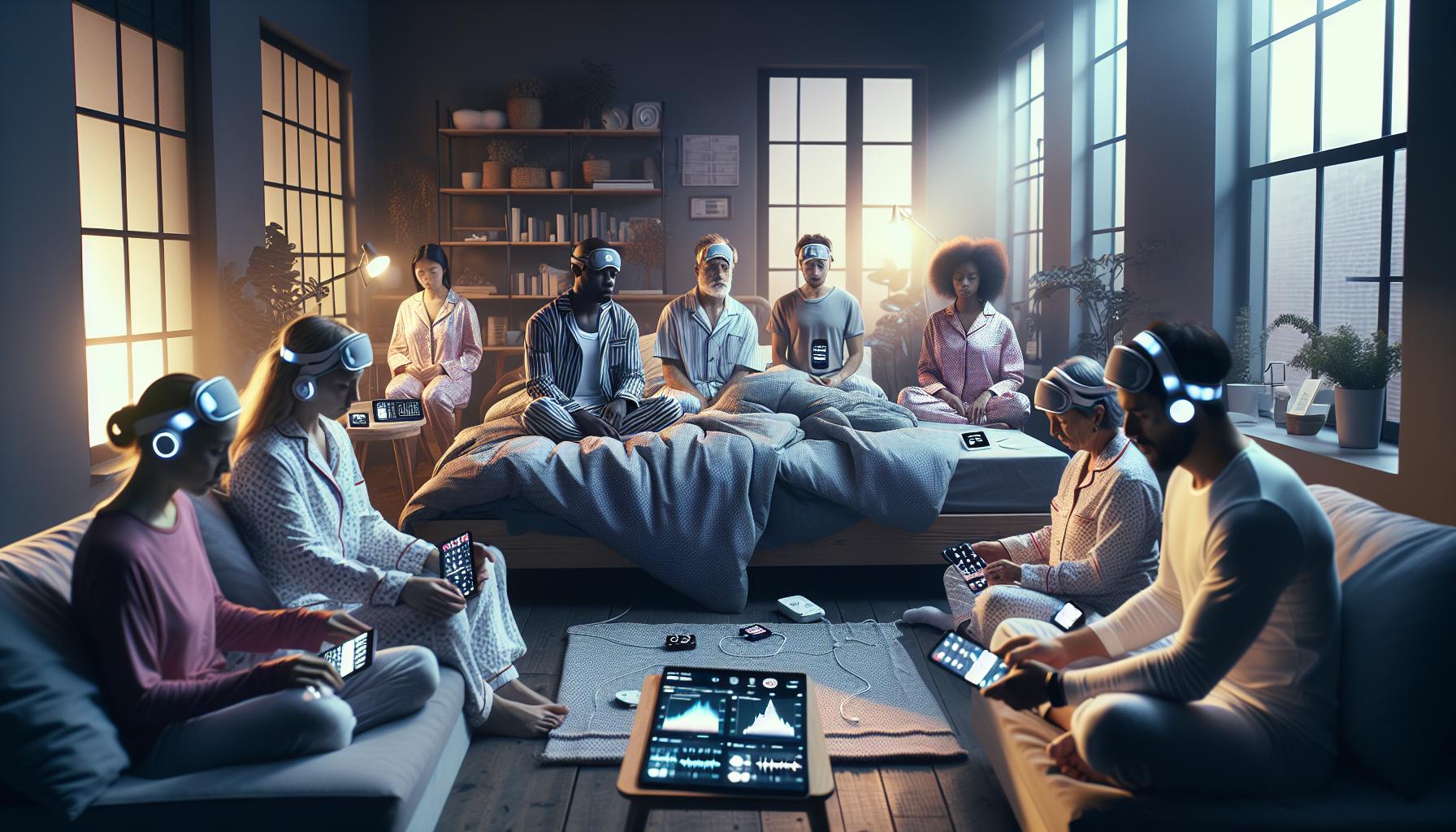
A home sleep study can reveal various sleep disorders that significantly impact overall well-being. These disorders often manifest through symptoms like daytime sleepiness, snoring, or irregular breathing during sleep. Understanding the types of sleep disorders that can be diagnosed at home empowers you to take control of your sleep health and seek appropriate treatment.
One of the most common conditions detected through at-home sleep studies is obstructive sleep apnea (OSA). This disorder occurs when soft tissues in the throat collapse during sleep, leading to frequent pauses in breathing. The data recorded during your sleep study, such as the number of apneas and hypopneas, can indicate the severity of OSA and guide treatment options like CPAP therapy.
Other disorders such as central sleep apnea and complex sleep apnea syndrome can also be identified. While central sleep apnea is less common, it occurs when the brain fails to send proper signals to the muscles that control breathing. Complex sleep apnea syndrome is a combination of both obstructive and central sleep apnea, presenting a mix of symptoms that require careful evaluation.
Additionally, at-home sleep studies may help diagnose sleep-related movement disorders, such as periodic limb movement disorder (PLMD), where the legs twitch involuntarily during sleep, disrupting the sleep cycle. The recordings provide insights into how often these movements occur and their effect on overall sleep quality.
Lastly, many individuals with insomnia can benefit from at-home assessments. While these studies primarily focus on breathing and cardiac activity, understanding underlying issues related to insomnia can suggest behavioral adjustments or therapeutic interventions.
By leveraging the insights gathered from your at-home sleep study, you can develop a clearer picture of your sleep health, which can lead to effective management strategies and improved quality of life. Always communicate with your healthcare provider about your symptoms and study findings to create a comprehensive plan tailored to your needs.
Setup Guide for At-Home Sleep Study Devices
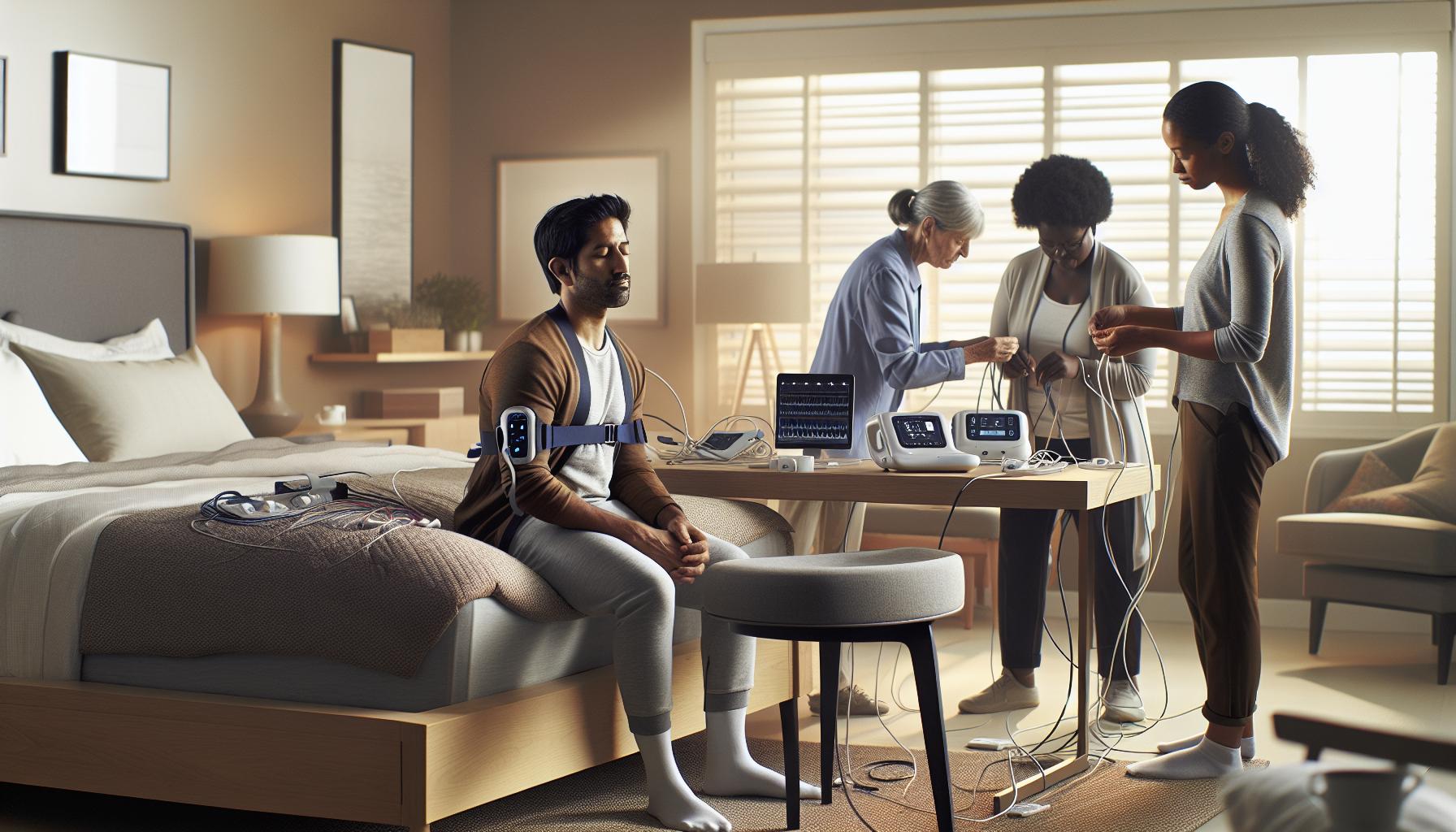
Setting up an at-home sleep study device is often simpler than many expect, which is a huge relief for those who might feel anxious about the process. These devices typically include wearables or portable monitors that are designed for ease of use. Here’s what you need to know to ensure a smooth setup.
Essential Steps for Setup
- Familiarize Yourself with the Device: Before your study night, take time to read the instruction manual provided with your device. Many manufacturers also offer video tutorials that can be super helpful.
- Charge the Device: Ensure your monitor or wearable is fully charged. Some devices may require a couple of hours to charge, so plan accordingly to avoid any interruptions during your sleep study.
- Placement and Attachment: Depending on the device type, you’ll typically need to wear a headband, finger probe, or chest strap. For example:
– Headband: If you’re using a headband that monitors brain activity, make sure it fits snugly but comfortably.
– Finger Probe: For devices that monitor oxygen levels, ensure the probe is securely clipped to your finger.
- Testing Functionality: Once everything is in place, test the device to confirm it’s working correctly. Some models allow you to do a brief test run to ensure it captures data.
Final Preparations
- Sleep Environment: Create an optimal sleep environment by minimizing noise and adjusting the room temperature. Make your bed as comfortable as possible, as this will help yield the most accurate results.
- Avoid Stimulants: In the hours leading up to your study, avoid caffeine, alcohol, and heavy meals. This helps ensure your sleep cycle reflects your regular sleep habits.
Preparing for your sleep study is a straightforward process when you take it step by step. By following these guidelines, you’ll be able to comfortably monitor your sleep patterns, leading to insightful results that can help in diagnosing sleep disorders. Remember, if you encounter any difficulties, don’t hesitate to reach out to the support team of the device you are using. They can provide immediate assistance and make the experience as stress-free as possible.
How to Prepare for Your Sleep Study Night
The night before your sleep study can be filled with a mix of excitement and anxiety. Rest assured, preparation is key to ensuring your study runs smoothly and delivers the most accurate results. To optimize your experience, have a clear plan for the night ahead that helps you relax while following guidelines provided with your sleep monitoring device.
To begin, it’s crucial to adjust your environment to promote restful sleep. Create a quiet, dark, and comfortable space in which you can unwind. Consider factors such as room temperature, bedding comfort, and noise levels that could potentially disrupt your rest. You might also want to block out any light sources with blackout curtains or an eye mask. Remember, the quality of your sleep is vital, as it helps the device gather more precise data about your sleep patterns.
In addition to your sleep environment, your pre-sleep habits should be carefully considered. For at least a few hours before bedtime, steer clear of stimulants like caffeine and nicotine, as these can significantly affect your ability to fall asleep and stay asleep. Alcohol should also be avoided, as it can alter your sleep cycles and reduce the study’s effectiveness. Instead, focus on calming activities such as reading, taking a warm shower, or practicing relaxation techniques like deep breathing or gentle stretching.
On the night of the study, adhere to your usual bedtime routine as much as possible. This consistency will help your body ease into sleep more naturally. When you’re ready for sleep, make sure your sleep study device is ready as well. Follow the specific instructions to set up the device correctly, whether it involves wearing a headband, attaching sensors, or utilizing a finger probe. Testing the device before settling in can give you peace of mind that it’s functioning as intended.
By preparing thoughtfully and taking these steps, you’ll set yourself up for success on your sleep study night. Remember, the goal is to collect data that will help understand your sleep health better, so creating the right atmosphere and minimizing disruptions will enhance the accuracy of your results.
Comparing At-Home and In-Lab Sleep Studies
When considering sleep studies, many find themselves weighing the benefits of in-lab assessments against the convenience of at-home tests. Each method brings unique advantages and drawbacks, which can significantly impact your experience and results.
In-lab sleep studies, also known as polysomnography, are conducted in a controlled environment by trained professionals. They provide comprehensive data, including extensive measurements of brain activity, eye movement, muscle activity, heart rate, respiratory effort, and oxygen levels throughout the night. This extensive data collection can lead to more accurate diagnoses, particularly for complex sleep disorders. However, patients often experience anxiety in unfamiliar settings, which can influence their sleep patterns and the study’s results.
On the other hand, at-home sleep studies offer a level of convenience that is hard to beat. Patients can undergo testing in the comfort of their own beds, leading to natural sleep patterns and potentially more accurate representations of their typical sleeping habits. Home tests generally focus on monitoring breathing patterns and oxygen levels, making them particularly effective for diagnosing conditions like obstructive sleep apnea. Despite their simplicity, at-home devices may not capture the full spectrum of sleep-related phenomena, which can limit their diagnostic capability, especially for those with more complicated sleep issues.
Key Differences
- Environment: In-lab studies occur in a controlled medical facility, while home studies are conducted in your own space.
- Data Collection: In-lab tests provide detailed data across multiple bodily functions, whereas at-home studies focus mainly on respiratory function.
- Comfort Level: Many patients feel more relaxed at home, which can lead to better quality sleep during the study.
- Cost: At-home studies are typically more affordable than in-lab testing, making them an attractive option for many.
Understanding these differences helps empower you to make an informed decision about which option suits your needs best. Additionally, talking to a healthcare provider can provide valuable insight into which test might be more appropriate based on the specific sleep issues you’re experiencing.
Common Concerns: Accuracy and Reliability
When it comes to sleep studies, the accuracy and reliability of at-home testing can often raise concerns among potential users. While at-home sleep studies are designed to provide valuable insights, understanding their limitations is essential to effectively interpreting the results. Most home sleep tests primarily focus on parameters such as breathing patterns, heart rate, and oxygen saturation levels, which makes them particularly effective for diagnosing conditions like obstructive sleep apnea (OSA). However, unlike comprehensive in-lab polysomnography, these at-home devices may not measure additional parameters like brain activity or detailed sleep architecture, which can be crucial for diagnosing more complex sleep disorders.
It’s important to recognize that while home sleep studies are generally reliable, factors within the home environment can introduce variability. For instance, the quality of sleep may be affected by external noise, unfamiliar sleeping positions, or even personal comfort levels with the equipment-factors that in-lab studies control more rigorously. Many people also report feeling more relaxed sleeping at home, which can lead to more natural sleep patterns that the study can capture effectively. In fact, studies have shown that patients often experience less anxiety in familiar settings, potentially yielding more accurate data on their typical sleep habits.
Moreover, ensuring that you’re using the device properly is crucial for obtaining trustworthy results. A common concern is incorrect setup or misplacement of sensors, which can affect data accuracy. Following the setup guide thoroughly and ensuring that the device is snugly fitted will help minimize errors. If you find any discrepancies in your results or if the data seems questionable, don’t hesitate to follow up with a healthcare provider who can interpret the findings and recommend further action if necessary.
Ultimately, while at-home sleep studies may not encompass the full spectrum of sleep-related phenomena as their in-lab counterparts, they provide an accessible and often insightful first step in addressing sleep concerns. By understanding what these tests can show and their inherent constraints, you can better navigate your sleep health and determine whether further investigation might be necessary based on the insights gained from the at-home study.
Insurance Coverage for At-Home Sleep Tests
Navigating can feel daunting but understanding the essentials can save you both time and money. Many insurance plans now recognize the value of home sleep studies, particularly for conditions like obstructive sleep apnea (OSA), which can be diagnosed effectively through these tests. However, coverage varies widely based on the insurer and the specific policy details. It’s essential to check whether your plan includes this type of study as part of its benefits.
Most insurance companies require a physician’s referral to authorize coverage for at-home sleep testing. If your primary care physician or a sleep specialist recommends an at-home study, be sure to obtain written documentation to submit with your insurance claim. Some plans may also necessitate pre-approval before scheduling the test. Familiarizing yourself with your policy’s requirements can expedite the process and help you avoid unexpected expenses.
When it comes to costs, at-home sleep tests typically range from $150 to $500 if paying out-of-pocket. Insurance can significantly offset these expenses, but be prepared for potential co-pays or deductibles. Reach out to your insurance provider directly to inquire about specific coverage details, including which tests are included and any additional paperwork you might need to complete. This proactive approach can alleviate some financial concerns you may have.
In summary, while many forms of at-home sleep studies are becoming more widely accepted by insurance providers, ensuring you understand the nuances of your specific plan is crucial. Always verify coverage before proceeding with the test, and don’t hesitate to reach out to your healthcare provider for support in navigating these conversations with your insurer. This preparation allows you to focus on what really matters-your sleep health-without being burdened by financial uncertainty.
Interpreting Your Sleep Data: Tips and Insights
Understanding the insights from an at-home sleep study is crucial for anyone looking to improve their sleep health. These studies typically provide valuable data regarding your sleep patterns and any potential disorders, such as Obstructive Sleep Apnea (OSA). When you receive your results, they often include key metrics such as the number of apneas or hypopneas (shallow breathing) per hour, total sleep time, sleep efficiency (the percentage of time you spend asleep while in bed), and oxygen saturation levels throughout the night.
To interpret your sleep data effectively, consider the following aspects:
Key Metrics to Focus On
- Apnea-Hypopnea Index (AHI): This score indicates the severity of sleep apnea. An AHI of less than 5 is considered normal, while 5-15 indicates mild sleep apnea, 15-30 is moderate, and over 30 is severe.
- Oxygen Saturation: Healthy individuals typically maintain oxygen levels above 90% during sleep. Regular dips below this may suggest breathing issues during sleep.
- Sleep Stages: Understanding how much time you spend in REM versus non-REM sleep can provide insights into whether your sleep cycle is healthy. Typically, adults should aim for 20-25% of sleep time in REM.
Practical Steps for Interpreting Your Results
- Compare with Norms: Refer to general population norms for AHI and oxygen saturation levels to gauge your results.
- Consult with Professionals: Use your data as a starting point for discussions with a healthcare provider. They can help explain the implications of your results and recommend next steps.
- Explore Lifestyle Changes: Sometimes, minor adjustments in your daily routine-such as weight management, sleep position modifications, or avoiding alcohol-can significantly enhance your sleep quality based on your findings.
Common Myths Debunked
Many people fear that the metrics from these tests are absolute diagnoses. Remember, while the data provides essential insights, it is just a part of the larger picture. A health professional’s input is imperative for a full interpretation of your results and determining appropriate treatments.
Interpreting your sleep data can initially feel overwhelming, but using the above tips and engaging with healthcare professionals will empower you to take charge of your sleep health and make informed decisions based on your findings.
Real-Life Scenarios: When to Seek Professional Help
Recognizing when to seek professional help for sleep issues can be challenging, especially after receiving results from an at-home sleep study. If you’re experiencing significant symptoms like excessive daytime sleepiness, loud snoring, or frequent awakenings, these could be signs it’s time to consult a healthcare provider. For example, if your report indicates a high Apnea-Hypopnea Index (AHI) that falls in the moderate to severe range, it’s crucial to discuss these findings with a sleep specialist. They can help interpret the results and determine the optimal treatment path.
In another scenario, let’s say you receive results showing frequent drops in oxygen saturation levels during the night. If these dips happen below 90%, this could signify potential breathing impairments that warrant further investigation. Speaking with a medical professional can provide insights into necessary interventions, whether lifestyle changes, CPAP therapy, or other treatments.
Don’t overlook emotional or psychological signs, either. If sleep disturbances are causing anxiety or impacting your mental health, it’s essential to address these feelings with a therapist or counselor who understands sleep issues. Addressing sleep problems isn’t just about the metrics; it’s also about your overall well-being.
Lastly, even if your results appear normal but you still feel persistently fatigued, trust your instincts. Sometimes, additional testing in a controlled environment is necessary to pinpoint issues not detected at home. It’s perfectly reasonable to seek further assessment and ensure your sleep health is prioritized. Open lines of communication with healthcare providers can pave the way to achieving better sleep and overall health.
The Future of Sleep Technology and Home Testing
As innovative technology continues to reshape healthcare, the realm of sleep studies is no exception. In recent years, at-home sleep testing has gained traction, offering a blend of convenience and advancement that many enthusiasts of personal health appreciate. The future of this technology looks promising, as rapid developments are enhancing both the accessibility and accuracy of sleep diagnostics, granting more individuals insight into their sleep patterns without stepping foot outside their homes.
Emerging Technologies in Sleep Testing
One significant area of growth lies in the realm of wearables and mobile applications. Devices like smartwatches and sleep trackers now routinely monitor key metrics, including heart rate variability, sleep duration, and even potential disturbances like sleep apnea. These devices have become increasingly sophisticated, utilizing algorithms and machine learning to provide insights that were once only accessible through traditional polysomnography in a lab setting. With this data at their fingertips, users can gain a better understanding of their sleep health and make informed lifestyle adjustments to improve their overall well-being.
- Improved Accuracy: Next-generation devices are incorporating sensors that measure not only movement but also biometric data. This provides a more comprehensive view of sleep quality.
- Real-Time Monitoring: Some advancements allow for continuous monitoring throughout the night, with instant feedback provided via smartphones.
- Data Integration: The ability for wearables to sync with health apps offers users a cohesive picture of their overall health, integrating sleep data with exercise, nutrition, and stress levels.
Consumer Empowerment
The rise of at-home sleep studies and technology significantly empowers consumers, making them more proactive in their health management. No longer reliant solely on scheduled clinic visits, individuals can simply set up their devices and gather valuable data from the comfort of their own beds. This democratization of sleep health management allows for quicker insights, which can lead to earlier interventions when patterns of sleep disturbances are detected.
However, it’s essential to approach the future of sleep technology with a discerning eye. Not all devices are created equal, and many still have limitations when it comes to diagnostic accuracy compared to traditional sleep studies. As such, it’s crucial for consumers to consult healthcare professionals regarding the implications of their findings and when further testing may be necessary.
By navigating these emerging technologies, users can better understand their sleep health, enabling personalized strategies that promote restorative sleep. With ongoing innovations in sleep testing and monitor technology, consumers are more equipped than ever to tackle sleep-related challenges and enhance their quality of life.
FAQ
Q: What key metrics are measured in an at-home sleep study?
A: An at-home sleep study typically measures breathing patterns, oxygen levels, heart rate, and snoring. These metrics help in diagnosing conditions like obstructive sleep apnea (OSA) by analyzing how effectively you breathe during sleep.
Q: How long does it take to get results from an at-home sleep study?
A: Most individuals receive their at-home sleep study results within a week to two weeks after the test. The physician will interpret the data and discuss any findings with you, guiding further action if needed.
Q: Can an at-home sleep study diagnose sleep apnea?
A: Yes, an at-home sleep study is designed to diagnose obstructive sleep apnea (OSA) by monitoring essential sleep metrics. If significant issues are detected, follow-up treatment options will be recommended by a healthcare professional.
Q: What should I do if my at-home sleep study results are abnormal?
A: If your results indicate abnormalities, such as potential sleep apnea, consult your healthcare provider. They may recommend further testing, treatment options like CPAP therapy, or lifestyle changes to improve your sleep quality.
Q: How accurate are at-home sleep studies compared to in-lab tests?
A: While at-home sleep studies are generally accurate for diagnosing obstructive sleep apnea, they may miss other complex sleep disorders that in-lab studies can detect. Discuss the best option for your health with your doctor.
Q: Will my insurance cover an at-home sleep study?
A: Many insurance plans do cover at-home sleep studies, especially if prescribed by a doctor for suspected sleep apnea. Always check with your provider regarding coverage details and any required documentation.
Q: What are the common challenges with at-home sleep studies?
A: Common challenges include device discomfort, data accuracy, and user errors during setup. Familiarize yourself with the equipment and follow preparation guides to mitigate these issues for reliable results.
Q: How should I prepare for an at-home sleep study night?
A: To prepare for an at-home sleep study, maintain your regular sleep schedule, avoid caffeine and alcohol, and follow the specific setup instructions provided with your device. Creating a comfortable sleeping environment can also improve results.
Future Outlook
Understanding the results of an at-home sleep study can empower you to take charge of your sleep health. By identifying potential issues like sleep apnea, you can make informed decisions about your next steps. Already feeling overwhelmed? Don’t worry! If you’re considering further evaluation, check out our guide on the different types of sleep studies or explore our insights on sleep deprivation and its health effects.
Ready to transform your sleep? Take the time to understand your results and consider reaching out to a sleep specialist for expert advice. For additional support, sign up for our newsletter for the latest updates on sleep health, or explore our range of sleep solutions designed to enhance your rest. Remember, prioritizing your sleep could be a game-changer for your overall well-being, so take action today!
Have any questions or experiences to share? We encourage you to leave a comment below and connect with our community. Together, let’s strive for better sleep and improved health!
Get our latest guides, news, and insights highlighted in your Google Search & AI Overviews.