
In today’s fast-paced world, getting quality sleep is often a struggle for many, making the effectiveness of sleep tracking devices more essential than ever. This guide delves into the best Fitbit models for sleep tracking in 2026, helping you choose the right technology to optimize your nighttime routine. With various features across Fitbit’s product line, understanding what each model offers can empower you to take control of your sleep health. Are you curious about how these devices can provide valuable insights into your sleep patterns while also addressing common concerns, such as sleep quality and duration? Let’s explore how the right Fitbit can support your journey to better sleep, ensuring you wake up refreshed and ready to tackle the day ahead.
Top Fitbits for Sleep Tracking in 2026
In 2026, Fitbit continues to stand out as a popular choice for sleep tracking, thanks to its innovative technology and user-friendly features. Among the top models, the Fitbit Charge 6 has garnered attention for its advanced sleep tracking capabilities. It not only tracks sleep duration but also breaks down sleep stages, providing insights into light, deep, and REM sleep. This data can help users understand their sleep patterns and make adjustments for better rest.
Another commendable option is the Fitbit Versa 4, which combines smartwatch functionality with robust sleep analysis. With its sleek design, the Versa 4 allows users to wear it comfortably at night while offering features such as guided breathing exercises and sleep score summaries, making it easier to establish healthy sleep habits. Additionally, the Fitbit Luxe, known for its stylish aesthetics, also effectively monitors sleep while appealing to users who prioritize both form and function.
When selecting a Fitbit for sleep tracking, consider your specific needs. Some models offer features like smart wake, which gently nudges you awake during the lightest sleep phase, ensuring you feel more refreshed. Others provide extensive sleep insights that can help you recognize patterns over time. Whether you prioritize advanced analytics or a stylish design, there’s likely a Fitbit model that aligns perfectly with your sleep tracking goals in 2026.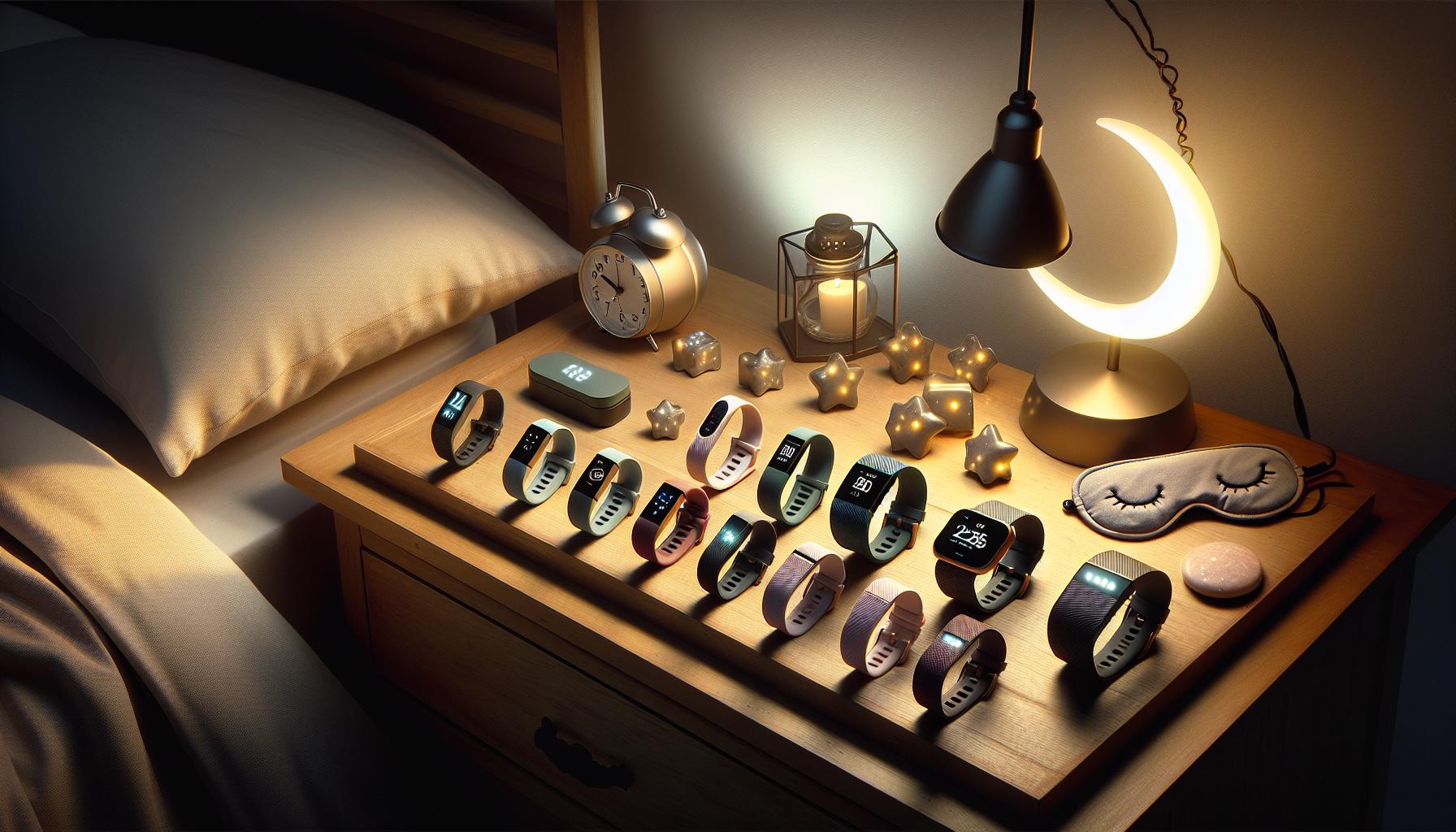
How Fitbit Measures Sleep Quality
Fitbit devices have become synonymous with sleep tracking, leveraging advanced sensors and algorithms to provide users with detailed insights into their sleep quality. By simply wearing a Fitbit while you sleep, you can access a wealth of data that reveals not only how long you slept but also the quality of that sleep-the balance of light, deep, and REM sleep stages.
Fitbit measures sleep quality using a combination of heart rate data, movement patterns, and proprietary algorithms to assess sleep stages accurately. When you fall asleep, the device monitors subtle changes in your heart rate and the amount of movement you exhibit. This information is processed to categorize your sleep into different stages:
- Light Sleep: The initial phase of sleep where the body begins to relax.
- Deep Sleep: The restorative phase crucial for healing and growth.
- REM Sleep: The period where most dreaming occurs, essential for cognitive functions.
The Fitbit app then displays this data as sleep scores and trends over time, helping you understand your sleep habits and make informed decisions toward improvement. Each morning, a summary of your sleep data provides valuable feedback, including the duration of each sleep stage and tips for enhancing your sleep routine.
Additionally, features like sleep insights can help users identify sleep patterns and possible disturbances, providing a more comprehensive view of how lifestyle factors-such as stress and physical activity-can impact sleep quality. This functionality empowers users with knowledge, turning raw data into actionable insights that promote better sleep hygiene and overall well-being.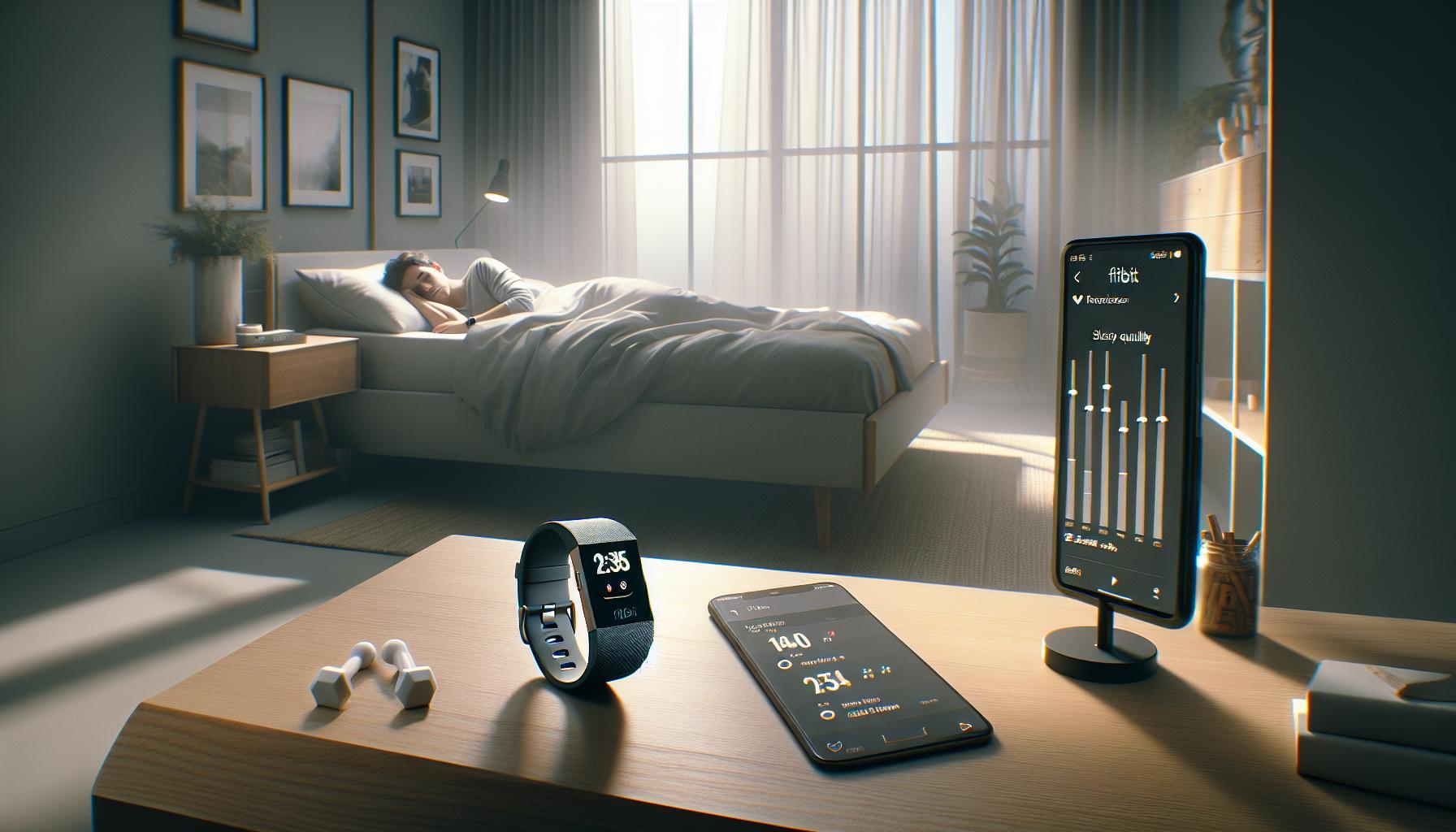
Key Features of Sleep Tracking in Fitbits
Fitbit has built a strong reputation as a leader in wearable technology, especially when it comes to sleep tracking. Beyond just monitoring how long you sleep, Fitbit devices delve into the intricacies of your sleep quality, making it an invaluable tool for anyone looking to improve their rest. One of the standout features is auto sleep tracking, which allows users to wear their device overnight without the hassle of manually starting a sleep session. This seamless experience enables the device to capture data on heart rate fluctuations and movement patterns, analyzing these metrics to categorize sleep into light, deep, and REM stages.
The Fitbit app complements these tracking capabilities with a sophisticated set of features. Users can access personalized sleep insights that offer tailored recommendations based on recent sleep patterns and objectives. For instance, the app might suggest optimal bedtimes, helping you establish a consistent sleep schedule. With features like sleep scores that aggregate data for a quick overview of sleep quality, users can easily assess how lifestyle changes and habits affect their nightly rest.
Moreover, Fitbit devices are increasingly equipped with sleep insights that analyze long-term trends and disturbances in sleep patterns, empowering users to make informed adjustments for improved sleep hygiene. Features such as smart wake alarms also set the device to wake users during lighter sleep stages, enhancing the waking experience. This focus on depth and actionable insights transforms raw sleep data into practical advice for better sleep, making Fitbit a standout choice for those serious about monitoring and enhancing their sleep quality.
Comparing Fitbit Models for Sleep Accuracy
When it comes to choosing the best Fitbit for sleep tracking, several models stand out due to their advanced technology and features specifically designed to monitor and improve sleep quality. Understanding how different Fitbit models measure sleep accuracy can significantly enhance your decision-making process.
Fitbit models like the Charge 5 and the Sense 2 utilize advanced sensors that track multiple physiological metrics, including heart rate variability and movement patterns. These devices are particularly effective in distinguishing between different sleep stages-light, deep, and REM-allowing users to gain a nuanced understanding of their sleep cycles. For example, the Charge 5 boasts an accuracy rate exceeding 90% in detecting various sleep stages, according to research[1]. This high level of accuracy is crucial for users who wish to make informed changes to their sleep habits.
Another aspect to consider is the Fitbit app, which works in tandem with the devices to provide deeper insights into sleep patterns. Many users report that the app’s sleep score feature effectively summarizes sleep quality, and its personalized recommendations help turn insights into actionable steps. Comparatively, while older models like the Versa 3 also track sleep adequately, they may lack certain advanced metrics offered by newer devices, such as more detailed heart rate variability readings or improved sleep score calculations.
In terms of user experiences, many individuals found the advanced sleep features of newer models made a significant difference in their ability to understand their sleep habits. For instance, users have shared real-life stories of how the insights garnered from their Fitbit’s sleep tracking capabilities led them to make lifestyle adjustments-such as altering their bedtime or changing evening routines-that positively impacted sleep.
In conclusion, if precise sleep tracking is a priority for you, focusing on the latest models like the Charge 5 or Sense 2 will likely yield the best results. However, understanding what each model offers, including their accuracy in sleep stage detection and the supplemental information available through the Fitbit app, will empower you to maximize the benefits of your chosen device.
User Experiences: Real Sleep Tracking Stories
Many users have shared eye-opening experiences with their Fitbits, showcasing how sleep tracking can influence lifestyle choices and improve overall health. For instance, one user described how their Charge 5 revealed frequent awakenings during the night, prompting them to reassess their evening routine. After adjusting their screen time before bed and including relaxing activities, such as reading and meditation, they reported falling asleep faster and enjoying more restorative sleep.
Another user highlighted the value of the sleep score feature on the Fitbit app, which aggregates data to provide a nightly performance rating. Initially skeptical, they found that they could directly correlate higher sleep scores with days they prioritized hydration and a consistent sleep schedule. This resulted in a newfound commitment to their sleep hygiene, leading to better focus and mood during the day.
Furthermore, some users have recounted how insights from their Fitbits led them to seek advice from healthcare professionals. After consistently observing that their deep sleep phases were unusually short, one user consulted a sleep specialist, who identified underlying issues that required treatment. This proactive approach not only improved their sleep quality but also their general well-being.
Overall, these stories illustrate the transformative potential of using Fitbit devices for sleep tracking. By providing a clearer picture of sleep patterns, users can make informed adjustments and engage in healthier practices. If you’re considering a Fitbit, these real-life experiences show that the right device can be a valuable ally in achieving better sleep health.
Understanding Sleep Stages with Fitbits
Understanding how Fitbits break down sleep stages can significantly enhance your appreciation of your overall sleep quality. Fitbits track your sleep patterns using a combination of motion and heart rate data, providing you with insights into various sleep stages, including light sleep, deep sleep, and REM (rapid eye movement) sleep. Recognizing these stages allows you to evaluate your sleep health effectively-each stage plays a crucial role in promoting physical and mental well-being.
### How Fitbits Track Sleep Stages
Fitbit devices consistently monitor your movements and heart rate throughout the night to determine when you fall asleep and transition through the various sleep stages. Here’s a brief overview of what each stage signifies:
- Light Sleep: This is the initial stage of sleep, accounting for a large part of your night. It prepares your body for deeper sleep.
- Deep Sleep: Known for its restorative properties, deep sleep is crucial for physical recovery, immune function, and memory consolidation.
- REM Sleep: This stage is essential for cognitive functions and emotional regulation. It’s when most dreaming occurs and certain memory processes are consolidated.
### The Importance of Sleep Staging
Understanding these stages is vital because they reflect not just how long you sleep, but the quality of that sleep. For example, if you notice that your Fitbit consistently reports short durations of deep sleep, it might signal an area for improvement. This could be an opportunity to explore factors like stress management practices or bedtime routines. Users often find it enlightening to correlate sleep stage data with lifestyle changes-such as dietary adjustments or screen time management-leading to more restorative sleep.
Fitbit’s sleep stage insights can be visualized through its app, offering an engaging way to track your nightly journey through sleep. Some users report that these features have motivated them to prioritize sleep hygiene, leading to substantive improvements in their alertness and overall mood during the day. As you continue using your Fitbit, making small adjustments based on this detailed feedback can pave the way for better sleep habits and healthier living.
In summary, the ability of Fitbits to record and analyze sleep stages not only helps you monitor your sleep but empowers you to take actionable steps towards enhancing your sleep health. By leveraging these insights effectively, you can foster a deeper understanding of your sleep needs and work towards achieving a more balanced lifestyle.
Tips for Maximizing Sleep Tracking Benefits
Getting the most out of your Fitbit for sleep tracking involves more than just wearing it to bed. By following a few simple tips, you can enhance your experience and glean deeper insights into your sleep health. Here’s how to take full advantage of your device’s capabilities.
One of the primary benefits of using a Fitbit for sleep tracking is the ability to personalize your sleep environment and routine based on the insights you receive. For instance, after reviewing your sleep patterns, consider establishing a regular bedtime and wake-up schedule. Consistency is key. Set reminders using the Fitbit app to help you adhere to your new routine. This can significantly enhance the quality of your sleep by training your body to wind down at the same time each night.
Utilize Sleep Insights
Your Fitbit offers detailed insights into your sleep stages, such as light, deep, and REM sleep. Dive into these analytics to understand not just how long you sleep, but how well you sleep. If the data reveals that you’re spending too little time in deep sleep, for instance, explore factors like your pre-sleep activities, room temperature, and stress levels. Small adjustments, such as reducing screen time before bed or creating a more sleep-friendly environment, can lead to improvements in your nightly rest.
Leverage the App Features
The accompanying Fitbit app is a treasure trove of features designed to boost your sleep quality. Utilize the “Sleep Schedule” feature to get personalized recommendations based on your sleep patterns and goals. For example, if you usually feel tired when you wake up at 7 AM, try adjusting your schedule to see if going to bed earlier leads to better rest. Additionally, take advantage of sleep reminders that help you wind down, as well as tips provided for enhancing sleep hygiene.
Track Lifestyle Changes
Consider keeping a journal of your lifestyle habits alongside your Fitbit sleep logs. Noting changes in your diet, exercise, or stress levels can help you identify patterns over time. If you notice that certain activities correlate with improved sleep quality, aim to incorporate them into your daily routine. Conversely, if a particular habit negatively impacts your sleep, take proactive steps to modify it.
By implementing these strategies, you can transform your Fitbit from a simple sleep tracker into a powerful tool that empowers you to optimize your sleep health, ultimately leading to improved energy levels and overall well-being.
Setting Up Your Fitbit for Optimal Sleep Tracking
Getting your Fitbit ready for sleep tracking can significantly improve the accuracy of the insights you receive, ultimately enhancing your sleep health. To ensure optimal performance, follow these essential steps.
First off, ensure you have the right device. Popular models like the Fitbit Charge series, Versa series, and the Inspire 3 offer advanced sleep tracking capabilities. Once you have your device, it’s crucial to wear it correctly. The Fitbit should be snug on your wrist, too loose and it may not detect your overnight movements accurately; too tight and it could disrupt your blood circulation.
Setting your sleep schedule in the Fitbit app is another critical step. The app allows you to establish a consistent bedtime and wake time. You can set reminders to encourage you to wind down, which enhances the quality of your sleep. To do this, navigate to the “Sleep” section in the app, then select “Sleep Schedule” to input your desired sleep times.
Utilize Features for Enhanced Tracking
Make the most of your Fitbit’s features by enabling “Sleep Stages” tracking. This functionality provides insights into your light, deep, and REM sleep patterns, offering a clearer picture of your sleep quality. Ensure that your Fitbit’s latest firmware is installed to benefit from any enhancements or bug fixes related to sleep tracking.
Synchronizing your Fitbit with the app is essential. Regularly check the app after waking to review your sleep stats. This will help you identify trends over time. If you find that certain factors affect your sleep negatively-like caffeine consumption or late-night screen time-you can adjust your habits accordingly.
Finally, consider keeping a diary of your sleep experiences alongside the app’s tracking. Documenting not only sleep duration but also daily lifestyle factors such as stress, diet, and physical activity can reveal connections that affect sleep quality. This combination of technology and personal observation equips you with the knowledge to make informed decisions about your sleep hygiene.
By setting up your Fitbit correctly and utilizing its features effectively, you’ll empower yourself to gain deeper insights into your sleep, leading to improved rest and overall well-being.
Troubleshooting Common Sleep Tracking Issues
Sleep tracking can be an incredible tool for understanding your sleep patterns, but it isn’t without its challenges. If you find your Fitbit isn’t providing the insights you expect, can help restore your confidence in the device. Here’s a guide to help you navigate these hurdles effectively.
One of the most prevalent problems users encounter is inaccurate sleep detection. If your Fitbit logs your sleep inaccurately, it might stem from how you wear your device. Ensure that your Fitbit is snug but not too tight – it should stay in place without causing discomfort. Also, consider any factors that could disrupt the device’s ability to track accurately, such as the position of your arm during sleep. If your arm is under a pillow or stuck against a wall, it may not register your movements correctly.
Another common issue is syncing between your Fitbit and the app. Occasionally, data might not transfer as expected. To address this, check if your device’s Bluetooth is enabled. If syncing issues persist, restart both your Fitbit and your mobile device, which can often solve the problem. Make sure your app is updated to the latest version as well, since updates frequently include bug fixes and improvements to performance.
Regular Maintenance
Maintaining your device is crucial for optimal functionality. Regularly clean your Fitbit to prevent dirt and sweat from interfering with sensors. Keep an eye on battery life too; a low battery can lead to performance issues, including compromises in data accuracy. To avoid this, aim to charge your device regularly, especially before planned sleep tracking nights.
If you’re still experiencing issues after these steps, consider resetting your Fitbit as a last resort. This action can restore the device to factory settings, but remember to back up any important data first. Don’t hesitate to reach out to Fitbit customer support for more complex problems or guidance tailored to your specific model and situation.
Staying informed and proactive is essential for effectively using your Fitbit as a sleep tracker. Understanding these common issues and their solutions will empower you to maximize the benefits of your device, ultimately leading to better sleep health.
The Role of Sleep Insights in Fitbit
Sleep insights provided by Fitbit can significantly enhance your understanding of sleep quality and patterns, leading to healthier sleep habits. These insights are not just mere numbers; they offer a deeper dive into how well you’re resting, revealing crucial details that can be instrumental in improving your overall sleep health.
Fitbit devices track essential metrics such as total sleep time, sleep stages (light, deep, and REM), and variations in sleep patterns across different nights. By accessing this data through the Fitbit app, users can visualize their sleep trends over days or weeks. This comprehensive overview enables you to identify patterns and make informed adjustments to your nightly routine. For instance, if you notice that you tend to sleep better on nights when you go to bed earlier, you can prioritize a consistent bedtime.
Moreover, Fitbit’s Sleep Insights feature provides personalized tips based on your sleep data. If the app detects that you are frequently waking up during the night, it might suggest changes such as reducing screen time before bed or establishing a calming pre-sleep routine. These actionable insights empower users to make strategic changes that can enhance their sleep quality.
In addition to tracking metrics and providing tips, Fitbit also allows users to set sleep goals and receive reminders to establish a regular sleep schedule. Such features help you integrate healthier sleep practices into your daily life. This holistic approach to sleep management is why users often find Fitbit devices beneficial-not just for tracking but for fostering better sleep habits overall.
Ultimately, the power of Fitbit’s sleep insights lies in their ability to turn data into meaningful actions. Whether you’re struggling with sleep or simply want to optimize your nightly rest, leveraging these insights can guide you towards more restful nights and rejuvenated mornings.
Integrating Fitbit Data with Sleep Apps
The ability to integrate Fitbit data with various sleep apps can significantly enhance your understanding of sleep health, making it easier to track your patterns and optimize your rest. By connecting your Fitbit device to other health and wellness applications, you gain access to a more holistic view of your sleep and lifestyle, allowing you to make informed decisions for better sleep quality.
Why Integrate Fitbit with Other Apps?
Integrating Fitbit data with other sleep applications can unlock valuable insights. Common integrations include:
- Headspace or Calm: These apps provide guided meditations that can help you wind down before bed. By linking your Fitbit, you can see how relaxation practices contribute to your sleep patterns.
- Apple Health or Google Fit: Syncing your sleep data with these platforms provides a comprehensive overview of your overall health. You can track correlations between physical activity, nutrition, and sleep quality.
- MyFitnessPal: If you are tracking your food intake, linking it with your Fitbit can help you analyze how your diet impacts your sleep quality.
These connections enable a more user-centered approach to sleep management, helping you identify specific behaviors that positively or negatively affect your sleep.
How to Set Up Integrations
Setting up integrations typically involves a few simple steps:
- Open the App: Launch the app you wish to connect with your Fitbit.
- Access Settings: Navigate to the settings or integration section.
- Link Your Fitbit Account: Select Fitbit from the list of available integrations and log in with your Fitbit credentials.
- Adjust Permissions: Authorize the app to access your sleep data.
- Start Tracking: Begin using the app alongside your Fitbit to access combined insights.
This simple process can pave the way for analyzing data in ways you may not have previously considered, such as evaluating how a new sleep routine or meditation practices relate to your nightly rest.
Maximizing the Benefits of Integration
To fully reap the benefits of integrating Fitbit data, consider the following tips:
- Consistent Tracking: Regularly wear your Fitbit and track your sleep, ensuring you gather enough data to observe patterns over time.
- Use Journals: Consider keeping a sleep journal alongside your app integrations. This can help you correlate how lifestyle factors affect your sleep further.
- Adjust Goals Based on Insights: If your apps suggest changes-like adjusting your bedtime or improving your wind-down routine-take note and implement these changes gradually.
By leveraging Fitbit’s capabilities alongside other apps, you’re creating a personalized sleep improvement strategy designed to cater to your unique needs. In this way, the integration of data can transform your sleep health journey into a more manageable and informative adventure.
Which Fitbit Offers the Best Value for Sleep Tracking?
When it comes to selecting a Fitbit that offers the best value for sleep tracking, several factors come into play, including features, price, and user experience. Not all models are created equal, and finding the right one for your needs can significantly enhance your sleep monitoring journey. In 2026, popular options include the Fitbit Charge 6, Fitbit Versa 4, and the Fitbit Inspire 3, each catering to different needs and budgets.
Fitbit Charge 6
The Fitbit Charge 6 stands out as a premium option, providing extensive features for sleep tracking. It offers advanced sleep stage tracking-helping you understand time spent in light, deep, and REM sleep-and provides personalized insights based on your data. The Charge 6 also includes a built-in SpO2 sensor for measuring blood oxygen levels during sleep, which can be crucial for assessing sleep quality. Priced around $160, it combines superior functionality with a sleek design, making it a worthwhile investment for those serious about improving their sleep health.
Fitbit Versa 4
For those who prefer a smartwatch experience, the Fitbit Versa 4 is an excellent choice, typically retailing for around $230. It features not only robust sleep tracking but also a wide array of fitness and health management capabilities. The Versa 4 allows you to review detailed sleep metrics through a user-friendly app interface, providing a clear view of your sleep patterns. Moreover, its built-in GPS and heart rate monitoring complement sleep data by allowing you to see how daily activity levels correlate with your rest.
Fitbit Inspire 3
If you’re on a tighter budget or looking for a minimalist tracker, consider the Fitbit Inspire 3. Priced around $100, it still includes essential sleep tracking features, such as sleep duration and basic sleep stage insights, but lacks some of the advanced metrics found in higher-end models. It’s a fantastic entry point for those new to sleep tracking or individuals seeking a straightforward, no-frills device.
Making the Choice
Ultimately, choosing the right Fitbit for sleep tracking hinges on your specific needs. Consider the following when making your decision:
- Budget: Set a clear budget, as models range significantly in price.
- Features: Assess which features are most important for your sleep tracking-do you need detailed metrics, or are basic insights sufficient?
- Purpose: Think about how you plan to use your tracker. Do you want additional fitness features, or are you primarily focused on sleep?
Whichever model you choose, rest assured that each Fitbit device can provide valuable insights to help improve your sleep quality. By understanding how these products differ, you can make an informed decision that aligns with your health and lifestyle goals.
Frequently Asked Questions
Q: What are the top features to look for in a Fitbit for sleep tracking in 2026?
A: When choosing a Fitbit for sleep tracking in 2026, look for advanced features such as auto sleep tracking, detailed sleep stage analysis, and regular sleep insights. Models with smart alarms and personalized sleep schedules can also help improve sleep quality. Additionally, consider models with long battery life to ensure consistent tracking.
Q: How accurate are Fitbit sleep trackers compared to professional sleep studies?
A: Fitbit sleep trackers can achieve over 90% accuracy in assessing sleep patterns compared to professional studies. While they may not replace clinical evaluations, they provide valuable insights into sleep quality and trends, making them an excellent tool for personal monitoring [2].
Q: Can I integrate my Fitbit sleep data with other health apps?
A: Yes, you can integrate Fitbit sleep data with various health and wellness apps, enhancing the tracking experience. This integration allows you to visualize your sleep patterns alongside other health metrics, such as exercise and nutrition, for a holistic view of your health [2].
Q: Which Fitbit model is the best value for sleep tracking in 2026?
A: The Fitbit Charge 5 is often regarded as the best value for sleep tracking due to its robust features, such as continuous heart rate monitoring and personalized sleep scores. It combines affordability with advanced sleep analysis, making it suitable for anyone looking to improve their sleep […]
Q: How do I maximize the benefits of sleep tracking with my Fitbit?
A: To maximize your Fitbit’s sleep tracking benefits, maintain a consistent sleep schedule, engage with the insights provided in the app, and create a bedtime routine. Exploring features like guided breathing exercises can also help reduce stress, leading to better sleep [3].
Q: Is it necessary to wear my Fitbit every night for accurate sleep tracking?
A: Yes, wearing your Fitbit every night is essential for gathering accurate sleep data. Consistency ensures better insights into sleep patterns, duration, and quality, helping you identify trends and make necessary adjustments for improved sleep health.
Q: What common issues might I face with Fitbit sleep tracking and how can I troubleshoot them?
A: Common issues with Fitbit sleep tracking include inaccurate sleep data or failure to track sleep. Ensure your device is properly worn at night and regularly updated with the latest firmware. If problems persist, try restarting the device or checking for syncing issues with the app [3].
Final Thoughts
As we conclude our comparison of Fitbits for sleep tracking in 2026, remember that understanding your sleep quality is a vital step toward better health. Each Fitbit offers unique features to help you monitor your sleep stages, improve your nightly routine, and set personalized goals. If you’re still unsure which device is right for you, check out our comprehensive guides on optimizing your sleep environment and the benefits of regular exercise for sleep quality.
Don’t wait-take charge of your sleep health today! Whether it’s tracking your sleep with a new Fitbit or exploring other wellness resources on our site, the path to better rest begins now. Be sure to leave a comment with any questions or share your experiences, as your insights could help others in the community. Join our newsletter for the latest updates on sleep technology and tips, and experience the difference a good night’s sleep can make!
Get our latest guides, news, and insights highlighted in your Google Search & AI Overviews.