
If your Fitbit Charge 5 isn’t tracking your sleep, you’re not alone. Many users face this frustrating issue, despite counting on their device to provide insights into their rest. Sleep is vital for overall health, and an accurate tracker can help you identify patterns, improve rest quality, and enhance your well-being. Discovering why your Fitbit isn’t performing as expected can help you get back on track and regain control over your sleep quality. Dive into this guide to uncover common causes for sleep tracking discrepancies and learn effective solutions to ensure your Fitbit Charge 5 delivers the reliable sleep data you need for better nights ahead.
Why Sleep Tracking Might Fail on Your Fitbit Charge 5
If you’re relying on your Fitbit Charge 5 to monitor your sleep, but it seems to be falling short, you’re not alone. Many users report challenges with accurate sleep tracking, leading to frustration and confusion about their sleep health. Understanding why your device might fail to capture sleep data is vital for improving its performance and ensuring you get the insights you need.
One of the primary reasons for inaccurate or absent sleep data is improper fit or positioning of the device. If your Charge 5 isn’t snugly on your wrist, it may not detect your movements effectively during sleep. Also, wearing it too loosely or on the wrong wrist can cause issues. Ensuring a good fit is essential, as the tracker uses sensors to detect subtle movements and changes in your heart rate that indicate different sleep stages.
Another common issue is software and firmware complications. If your device isn’t updated to the latest software version, it may not work optimally. Always ensure your Fitbit is running the most current updates by checking in the app. Additionally, syncing problems between your Fitbit and the mobile app can result in missing or incorrect sleep data, so regular syncing is crucial.
External factors like noise, temperature, and light levels in your sleeping environment can also affect how well your Fitbit tracks sleep. If your bedroom is too bright or too noisy, it may disrupt your sleep patterns, leading to less reliable data. If sleep tracking remains an ongoing issue, consider these factors alongside device care. By understanding these common pitfalls, you can take proactive steps to ensure your Fitbit Charge 5 becomes a more reliable tool in your quest for better sleep health.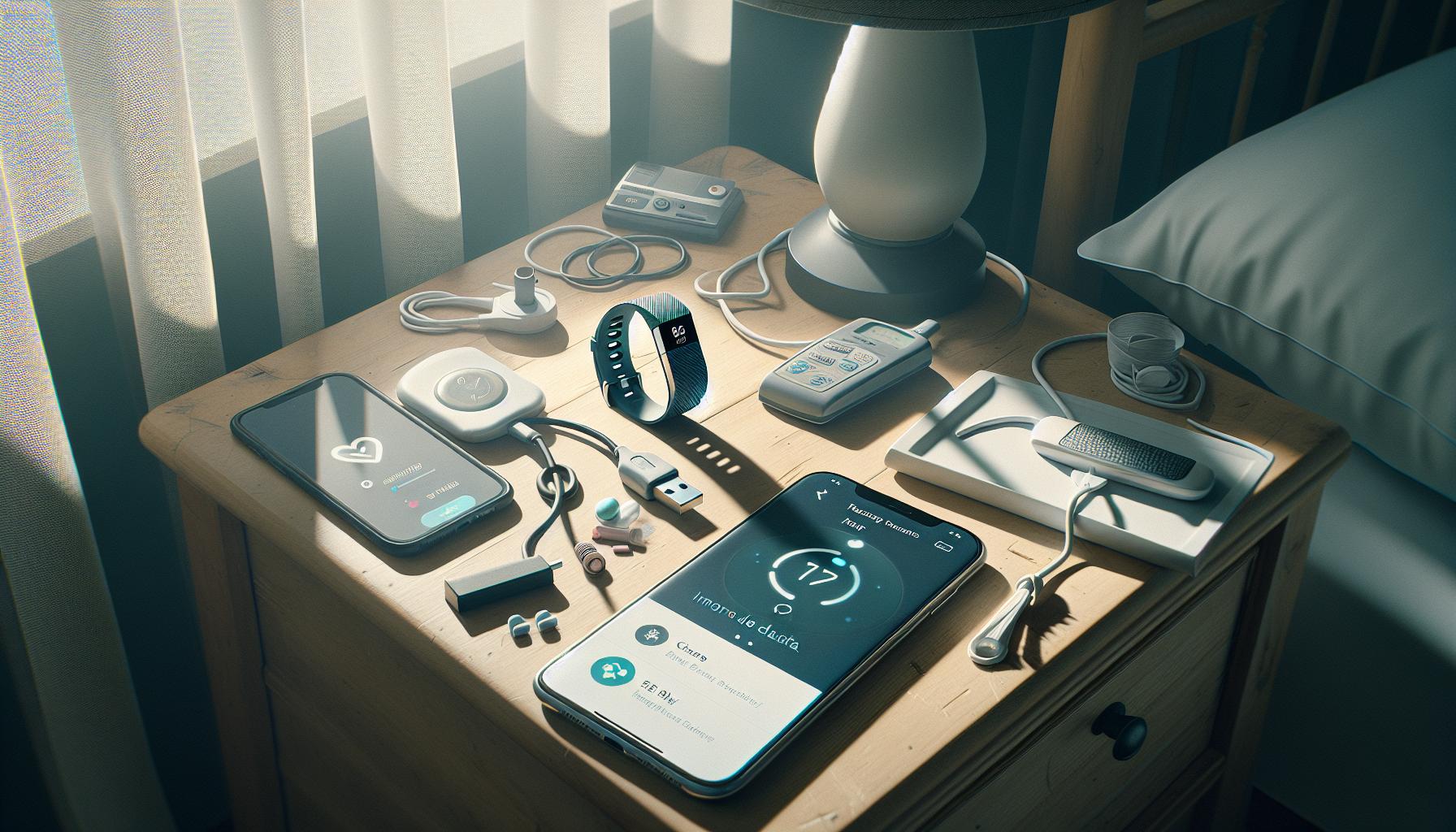
Common Reasons Your Fitbit Charge 5 Ignores Sleep Data
Many users find that their Fitbit Charge 5 occasionally fails to track sleep effectively, leading to frustration and confusion. Understanding the common reasons behind this issue is crucial for improving your experience and getting the most out of your device.
One prevalent reason for inaccurate sleep data is the fit of the tracker. If your Charge 5 is too loose or is not positioned properly on your wrist, the sensors may struggle to register your movements accurately. A snug fit helps the device detect the subtle changes in your heart rate and motion that indicate when you fall asleep, move between sleep stages, or wake up. Consider wearing your Fitbit higher up on your wrist, ensuring it’s not too tight but fits securely against your skin.
Software malfunctions and outdated firmware can also significantly impact sleep tracking. Regularly check your Fitbit app for any updates; outdated software can lead to missed sleep data or inaccuracies. It is essential to keep both your device and the app in sync for the most reliable performance. If you’re experiencing missing data, try manually syncing your device with the app to ensure all recorded information is transferred correctly.
External factors affecting your sleep environment can lead to poor sleep tracking as well. Disruptive noise, varied light levels, and temperature can prevent you from falling into deep sleep, which may confuse the device’s tracking capabilities. For better results, aim to create a sleep-friendly environment-consider blackout curtains, earplugs, and a dedicated sleep schedule. Addressing these common issues can greatly enhance the accuracy of sleep data collected by your Fitbit Charge 5, empowering you on your journey to better sleep health.
Essential Settings to Check for Accurate Sleep Tracking
To ensure accurate sleep tracking with your Fitbit Charge 5, it’s crucial to check and adjust certain settings that can significantly influence the effectiveness of the device. One of the first steps is to verify that your sleep tracking feature is enabled. Navigate to the Fitbit app on your smartphone, go to your profile, select your Charge 5, and make sure that the sleep tracking feature is turned on. This simple check can prevent accidental oversights that might lead to missed data.
Another important setting is your sleep schedule. Setting a consistent bedtime and wake-up time within the app helps your Fitbit better recognize your sleep patterns. To set this up, go to the “Sleep” section in the app, where you can input your usual sleep and wake times. This will enable the device to anticipate your sleep periods more accurately, improving the quality of the data collected. Additionally, toggling on the “Smart Wake” feature can enhance your experience by allowing the wearable to wake you up gently during a lighter sleep stage within a specified time frame.
Furthermore, ensure that your device’s heart rate monitoring is active, as this plays a crucial role in sleep tracking. To check this, revisit the settings in your Fitbit app and confirm that heart rate tracking is turned on. A secure fit is also essential for accurate readings. If your Charge 5 is too loose, the sensors may fail to detect movements and heart rate changes effectively. Wear the tracker snugly above your wrist bone but not so tight that it restricts circulation.
Lastly, consider syncing your device regularly via the app to keep everything updated. This not only provides the most recent firmware updates but also refreshes the data transfer between your Charge 5 and the Fitbit app, ensuring you receive the most accurate insights about your sleep. By carefully adjusting these settings, you can help your Fitbit Charge 5 deliver more reliable sleep tracking results, empowering you to make informed decisions about your rest and overall health.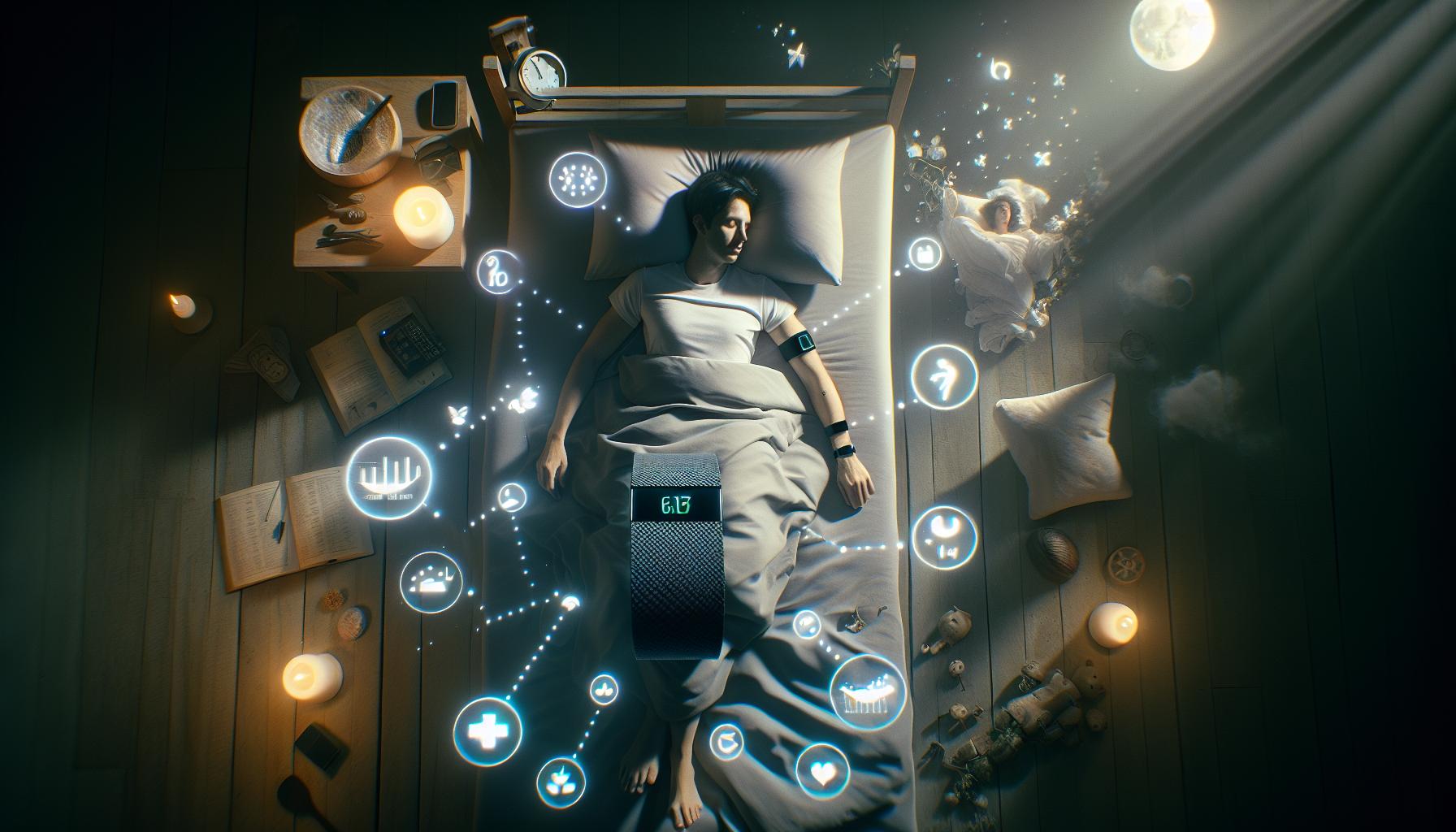
Understanding Sleep Stages and Fitbit’s Tracking Limitations
Understanding how your Fitbit Charge 5 tracks sleep can be enlightening, especially when you notice discrepancies in the data. The device operates by monitoring your movements and heart rate to estimate sleep stages, which include light sleep, deep sleep, and REM (rapid eye movement) sleep. Each stage is crucial for restorative rest, and while Fitbit’s algorithms provide valuable insights, they have inherent limitations that can affect accuracy.
Fitbit uses a combination of heart rate data and movement patterns to determine when you are asleep and the quality of your sleep. When you’re in deep sleep, your heart rate typically slows, and your movements reduce significantly. However, the Charge 5 may misclassify sleep stages, particularly if you have a restless night or experience irregular movements. For instance, if you awaken frequently or change positions often, the tracker might interpret these as waking periods, leading to underreported total sleep time or inaccurate stage distributions.
Additionally, external factors like room temperature, bedding comfort, and even electronic devices in your sleep area can influence sleep quality and, consequently, the data your Fitbit collects. If you experience external disturbances or don’t maintain a consistent sleep schedule, the Charge 5’s ability to accurately track sleep can diminish. Even the comfort of how the device fits on your wrist can play a significant role; if it’s too loose, it might not pick up on your heart rate changes as effectively.
To better understand the sleep data from your Fitbit Charge 5, consider cross-referencing it with your own sleep habits or feelings of restfulness in the morning. If you consistently feel unrested despite what your tracker indicates, it may be worth exploring other methods of monitoring or evaluating your sleep health, such as professional sleep studies. Being aware of these limitations and contexts can empower you to use your Fitbit more effectively and appreciate its capabilities while recognizing when it might fall short.
Tips to Improve Sleep Tracking Accuracy on Fitbit Charge 5
Tracking your sleep with the Fitbit Charge 5 can provide valuable insights, but several factors can influence the accuracy of the data it collects. Taking a proactive approach can make a significant difference in your sleep tracking experience. Here are some practical tips to help improve the accuracy of sleep tracking on your device:
Wear It Right
The position and fit of your Fitbit Charge 5 matter a lot. Ensure that your device is snug but comfortable on your wrist. If the device is too loose or positioned incorrectly, it may not capture your heart rate changes accurately, leading to faulty data. Consider wearing it on your non-dominant wrist to minimize movement interference during your sleep.
Maintain a Consistent Sleep Schedule
Regular sleep patterns are crucial for accurate tracking. Try to go to bed and wake up at the same time every day, even on weekends. This consistency helps the Fitbit learn your sleep patterns better and reduces the chances of misclassifying sleep stages.
Enable Sleep Mode
Make sure to activate Sleep Mode on your Charge 5 before going to bed. This feature tells the device that you are about to sleep and helps improve the accuracy of your sleep data reporting. If you forget to turn it on, the device might not record your sleep appropriately.
Limit External Disruptions
Create a sleep environment conducive to rest. Minimize noise and avoid using electronic devices that emit blue light close to bedtime, as these can interfere with your ability to fall asleep and the overall quality of your sleep. Additionally, assess your bedding and room temperature; a comfortable sleep setting can significantly enhance both sleep quality and tracking reliability.
Review Your Health and Activity Data
Pay attention to trends in your activity data leading up to bedtime. If you’ve had a particularly active day, the Charge 5 may underestimate the amount of time you spend in deep sleep because it interprets higher heart rates or movement as wakefulness. Understanding your overall daily activity can provide context to your nightly sleep data and highlight patterns.
By implementing these strategies, you can enhance the accuracy of your Fitbit Charge 5’s sleep tracking capabilities, making your device a more reliable partner in your journey toward better sleep health.
How to Calibrate Your Fitbit for Better Sleep Insights
To achieve more accurate sleep insights from your Fitbit Charge 5, calibration is key. While these devices are designed to track your sleep patterns effectively, simply wearing them isn’t always enough. Calibration helps ensure that the data your Fitbit collects is relevant and meaningful, allowing you to gain deeper insights into your sleep health.
Start by establishing a fixed sleep routine. When you consistently go to bed and wake up at the same time, your Fitbit can better recognize your sleep cycle. Additionally, try logging your sleep manually within the Fitbit app. This can help the device learn your patterns and establish a reliable baseline, making automatic tracking more accurate over time.
Another fundamental calibration step involves syncing your device regularly with the Fitbit app. To do this, open the app and let it connect with your Charge 5, ensuring that the device is updated with the latest software and providing the most accurate tracking capabilities. Keep in mind that using your Fitbit’s Sleep Mode nightly can also enhance precision, as it signals your device to monitor your sleep readiness actively.
Lastly, consider the placement of your device. For optimal data accuracy, wear your Fitbit on your non-dominant wrist, ensuring it fits snugly. This positioning helps reduce erroneous readings due to movement. If you frequently wake up with the device shifted, it could indicate that it’s not secured correctly, leading to missed tracking opportunities. By adhering to these calibration tips, you can significantly enhance your Fitbit Charge 5’s ability to provide valuable sleep insights, empowering you to make informed decisions about your sleep health.
Troubleshooting Sync Issues Affecting Sleep Data
Sync issues can be a common source of frustration for Fitbit Charge 5 users, especially when it comes to tracking sleep data. If your device seems to ignore your nightly rest, there’s a chance that sync problems are at play. To remedy this, start by ensuring that your Fitbit app is up to date. Outdated software can lead to discrepancies between your device and the app, resulting in missed sleep tracking.
Another critical point to consider is your Bluetooth connection. For accurate syncing, your Charge 5 must be connected to your smartphone via Bluetooth. Check that Bluetooth is activated on your phone and that there are no connectivity interruptions. If syncing still fails, try restarting both your Fitbit and smartphone. Often, a simple reboot can resolve lingering connectivity issues and enhance device communication.
Additionally, reviewing your Fitbit account settings can provide insights. Ensure you are logged into the correct account and that all necessary permissions have been granted for the app to access your device. Sometimes, reinstalling the Fitbit app can also eliminate bugs affecting synchronization. After uninstalling, reinstall the app, log back in, and try syncing again to see if this resolves the sleep data issues.
Lastly, ensure your Charge 5 has sufficient battery life. Low battery can result in limited functionality, including syncing capabilities. A fully charged device is better equipped to track and transmit your sleep data seamlessly. Troubleshooting these sync issues can clarify the situation and help you regain valuable sleep insights.
External Factors Affecting Sleep Tracking on Your Device
Understanding how external factors can influence your Fitbit Charge 5’s sleep tracking capabilities is crucial for obtaining accurate insights into your sleep patterns. Even with a high-quality device like the Charge 5, various environmental and personal elements can disrupt its ability to track your slumber effectively.
Firstly, the sleep environment plays a significant role. Temperature, noise, and lighting can all impede not only the quality of your sleep but also how well the Charge 5 records it. For instance, a noisy or brightly lit bedroom may prevent you from entering deep sleep phases that the charger relies on to assess sleep quality. Additionally, using electronic devices before bed may affect the natural sleep cycle, thereby influencing how well your Fitbit can track your sleep.
Another essential factor to consider is personal health and behaviors. The consumption of stimulants like caffeine or alcohol close to bedtime can alter your sleep architecture, making it more challenging for the Charge 5 to accurately assess your sleep. Furthermore, changes in routine, such as travel or shifts in your work schedule, may disrupt your natural circadian rhythm, adversely affecting sleep data collection.
Lastly, the fit of the device is critical. Wearing the Fitbit Charge 5 too loosely or in a position where it cannot obtain heart rate readings can cause inaccuracies. Ensure the device is snug on your wrist, ideally above the wrist bone, allowing for optimal sensor contact. By addressing these external factors, you can significantly improve the accuracy of sleep tracking on your Fitbit Charge 5, allowing you to gain better insights into your sleep health.
Comparing Fitbit Charge 5 Sleep Features with Competitors
When evaluating the sleep tracking capabilities of the Fitbit Charge 5 against its competitors, it’s crucial to delve into the features that set it apart. The Charge 5 is equipped with advanced sensors that include heart rate monitoring and SpO2 tracking, which can provide valuable insights into your sleep quality and overall health. However, several other brands also offer similar, if not more advanced, features that may influence your choice.
One standout competitor is the Garmin Vivosmart 5. While both devices track sleep stages and provide insights into duration, the Vivosmart includes an additional feature known as Body Battery, which lets you see your energy levels throughout the day based on your sleep and activity. This holistic approach helps you understand how your sleep impacts your daily energy, something the Charge 5 does not offer directly.
Another strong contender is the Apple Watch Series 8. With its comprehensive sleep tracking capabilities, the Apple Watch records sleep duration, quality, and provides a more in-depth look at sleep cycles. Notably, it integrates seamlessly with Apple’s ecosystem, allowing users to manage their sleep schedules through the Health app and utilize wind-down modes and sleep reminders. In contrast, the Fitbit Charge 5 provides valuable insights but lacks the same level of smartphone integration and features.
Here’s a quick comparison table to highlight key differences:
| Feature | Fitbit Charge 5 | Garmin Vivosmart 5 | Apple Watch Series 8 |
|---|---|---|---|
| Heart Rate Monitoring | Yes | Yes | Yes |
| SpO2 Tracking | Yes | No | Yes |
| Sleep Stages | Yes | Yes | Yes |
| Body Battery | No | Yes | No |
| Smartphone Integration | Moderate | Basic | Excellent |
Choosing the right device ultimately depends on your needs. If you prioritize a deeper integration into a broader health ecosystem with detailed analytics, devices like the Apple Watch might appeal more to you. Conversely, if you seek straightforward sleep tracking with essential health metrics, the Fitbit Charge 5 remains an excellent option. Regardless of your choice, understanding these comparison points can help enhance your decisions related to personal sleep health and technology.
User Testimonials: Real Experiences with Fitbit Sleep Tracking
Many users have turned to the Fitbit Charge 5 for its sleep tracking capabilities, but experiences can vary widely. For instance, one user shared that they struggled initially with their Charge 5 failing to record sleep data consistently. After troubleshooting various settings, they discovered that turning on the “Sleep Mode” feature significantly improved tracking accuracy. This feature not only enhances the device’s ability to detect when you fall asleep but also helps in reducing notifications that might disrupt your slumber.
Another common concern is related to the placement of the device. Users have reported that wearing the Charge 5 too loosely on their wrist can lead to inaccurate readings. A user recounted their experience of adjusting the fit and found that a snugger fit around the wrist helped the sensors work more effectively, resulting in a better assessment of sleep stages. It’s important to ensure that your device maintains good contact with your skin for optimal performance.
Positive Experiences
There are also many testimonials praising the insightful data the Charge 5 provides once everything is set correctly. A user mentioned how the app’s analysis of sleep patterns helped them recognize trends over time, leading to necessary lifestyle changes that improved their overall sleep quality. They appreciated the detailed breakdown of light, deep, and REM sleep stages presented in the app, which created a clearer understanding of their sleep health.
When to Seek Help
While the Fitbit Charge 5 can offer a wealth of information, some users have indicated that relying solely on it for sleep assessments isn’t always sufficient. One testimonial explained how, after months of tracking poor sleep patterns, they opted for a professional sleep study. The insights gained from medical professionals confirmed some underlying issues that their Fitbit could only hint at. This led to a more comprehensive approach to addressing sleep problems, including proper treatment that extended beyond tracking data.
Engaging with user experiences around the Fitbit Charge 5 can reveal not just the device’s capabilities, but also its limitations. Whether it’s through fine-tuning settings, adjusting how the device is worn, or understanding when to seek professional advice, personal stories provide valuable lessons that can enhance the overall sleep tracking experience.
When to Consider Professional Sleep Studies Over Trackers
While the Fitbit Charge 5 offers valuable insights into your sleep patterns, it is not a substitute for expert medical evaluation, especially if you’re experiencing persistent sleep issues. If you’ve been tracking poor sleep quality over a prolonged period and your device continues to report concerning trends-such as difficulty falling asleep, frequent waking during the night, or excessive daytime fatigue-it may be time to consider a professional sleep study. These comprehensive assessments can provide a deeper understanding of your sleep health and help identify anything from sleep apnea to restless leg syndrome, conditions that your Fitbit might not accurately capture.
Professional sleep studies typically involve polysomnography, where your breathing patterns, heart rate, and brain waves are monitored while you sleep in a controlled setting. Expect to spend a night at a sleep clinic, where trained technicians ensure you’re set up correctly, often using electrodes to record your body’s various systems. This more technical approach provides critical insights that can lead to tailored treatment plans suited to your specific needs, which could be as straightforward as adjusting your sleep environment or as complex as continuous positive airway pressure (CPAP) therapy.
Consider some factors before choosing to go for a sleep study. The cost can be a consideration; insurance coverage varies significantly, and many clinics will assist you in navigating your policy. Typically, studies can range from a few hundred dollars to over a thousand, depending on the facility and the complexity of the tests performed. Additionally, if your Fitbit data shows consistent trends, such as significant disturbances in sleep cycles or irregular breathing, these findings could bolster your case when discussing potential studies with your healthcare provider.
In summary, while your Fitbit Charge 5 is a fantastic tool for monitoring sleep, it may not catch everything, particularly for those with more serious sleep disorders. If initial adjustments-like recalibrating your device, adjusting your sleep environment, or trying relaxation techniques-don’t yield results, a sleep study is a prudent next step. Engaging in a dialogue with a sleep specialist can ensure you’re accessing the best tools available for reclaiming your restful nights.
Q&A
Q: Why isn’t my Fitbit Charge 5 tracking my sleep properly?
A: Your Fitbit Charge 5 might not track sleep properly due to insufficient battery life, incorrect wearing position, or software updates needed. Ensure your device is charged, worn snugly above your wrist bone, and updated to the latest firmware for optimal performance.
Q: How can I reset my Fitbit Charge 5 to fix sleep tracking issues?
A: To reset your Fitbit Charge 5, press and hold the button on the side for about 10 seconds until you see the Fitbit logo. This can resolve temporary glitches affecting sleep tracking. After resetting, recheck your sleep settings for accuracy.
Q: Does the Fitbit Charge 5 require specific settings for sleep tracking?
A: Yes, for optimal sleep tracking, ensure that Sleep Mode is activated in the settings. This mode prevents notifications and helps the device focus on tracking your sleep stages accurately. Check your settings to confirm it’s enabled.
Q: Can external factors affect my Fitbit’s sleep tracking?
A: Definitely. Environmental factors like noise, light, and even bed movement can disrupt sleep tracking accuracy. Consider optimizing your sleep environment by reducing disturbances and ensuring a comfortable sleeping space.
Q: What should I do if my Fitbit Charge 5 is not syncing sleep data?
A: If your Fitbit isn’t syncing sleep data, try restarting your device and restarting the Fitbit app on your phone. Ensure Bluetooth is enabled and that the app has the necessary permissions to access your health data.
Q: How can I improve sleep tracking accuracy on my Fitbit Charge 5?
A: To improve accuracy, wear your Fitbit Charge 5 snugly on your wrist and maintain a consistent sleep schedule. Avoid caffeine and screens before bed, as these can influence your sleep quality and tracking performance.
Q: What should I check if my Fitbit Charge 5 stops tracking sleep altogether?
A: If your Fitbit stops tracking sleep completely, check for firmware updates, confirm that Sleep Mode is activated, and ensure your device has adequate battery life. Additionally, inspect for physical damage or resetting the device may help.
Q: When should I consider professional help instead of relying on my Fitbit?
A: If you consistently experience sleep issues or your Fitbit tracking seems unreliable, consider consulting a sleep specialist. Professional evaluations may provide insights that exceed the capabilities of consumer devices and help address underlying concerns.
In Summary
If your Fitbit Charge 5 isn’t tracking your sleep, don’t stress-this is a common issue that can often be fixed with simple adjustments. By ensuring your device is properly fitted, updated, and aligned with your sleep schedule, you can enhance its tracking accuracy. For those still facing challenges, exploring potential settings adjustments or consulting our guides on optimizing wearable tech may provide the insights you need to reclaim your sleep data.
Don’t hesitate to share your experiences in the comments below-we’d love to hear what worked for you! If you’re interested in more ways to enhance your sleep health, check out our articles on sleep studies and the effectiveness of various wearables. Be proactive about your well-being and sign up for our newsletter to receive the latest tips and tools directly to your inbox. For further exploration, navigate to our health dashboard for tailored content that aligns with your fitness journey. Your journey to better sleep begins now!
Get our latest guides, news, and insights highlighted in your Google Search & AI Overviews.