
Did you know that millions of people struggle to get quality sleep every night? As sleep health becomes more critical in our fast-paced lives, the accuracy of sleep tracking devices, like the Samsung Galaxy Watch, has emerged as a popular topic among users seeking better understanding of their rest patterns. In this article, we’ll explore how reliable Samsung Watch sleep tracking really is, revealing real results that can help you evaluate whether this technology can support your quest for improved sleep. Discover how these wearable devices work and what they can reveal about your sleep quality, empowering you to make informed decisions about your health and wellness. Whether you’re a tech enthusiast or just starting to prioritize your sleep, this guide will provide valuable insights for empowering your sleep journey.
Understanding Sleep Tracking Technology in Samsung Watches
The technology behind sleep tracking in Samsung Watches is both innovative and user-friendly, designed to empower users in understanding and improving their sleep patterns. At the core of this technology is a combination of accelerometer data, heart rate monitoring, and sophisticated algorithms that analyze your movements and physiological signals during sleep. By wearing the watch snugly on your wrist throughout the night, it can detect subtle changes that indicate when you fall asleep, when you wake, and the transitions between different sleep stages, including light, deep, and REM sleep.
Samsung’s sleep tracking features are integrated with the Health app, providing users insights into their sleep quality through various metrics. This includes total sleep time, sleep cycles, and even recorded instances of snoring, thanks to the watch’s built-in microphone. The Galaxy Watch leverages this data to deliver personalized sleep coaching options and actionable suggestions for better sleep hygiene, helping users cultivate healthier sleep habits. The effectiveness of this technology lies in its ability to offer feedback tailored to individual patterns, which can be a practical aid in addressing sleep concerns.
However, it’s important to note that while the accuracy of sleep tracking technology in Samsung Watches is generally high, it is not foolproof. Wearables like these, while effective for general tracking, may sometimes misinterpret movement or failing to adequately capture sleep disruptions that could be essential for clinical evaluations. As such, they are best used as a supplementary tool alongside professional sleep studies, especially if sleep disorders are suspected.
In summary, Samsung Watches provide a robust tool for monitoring sleep patterns, combining technology with user-friendly features. By understanding how to best utilize these tools, users can take significant steps toward improving their sleep health.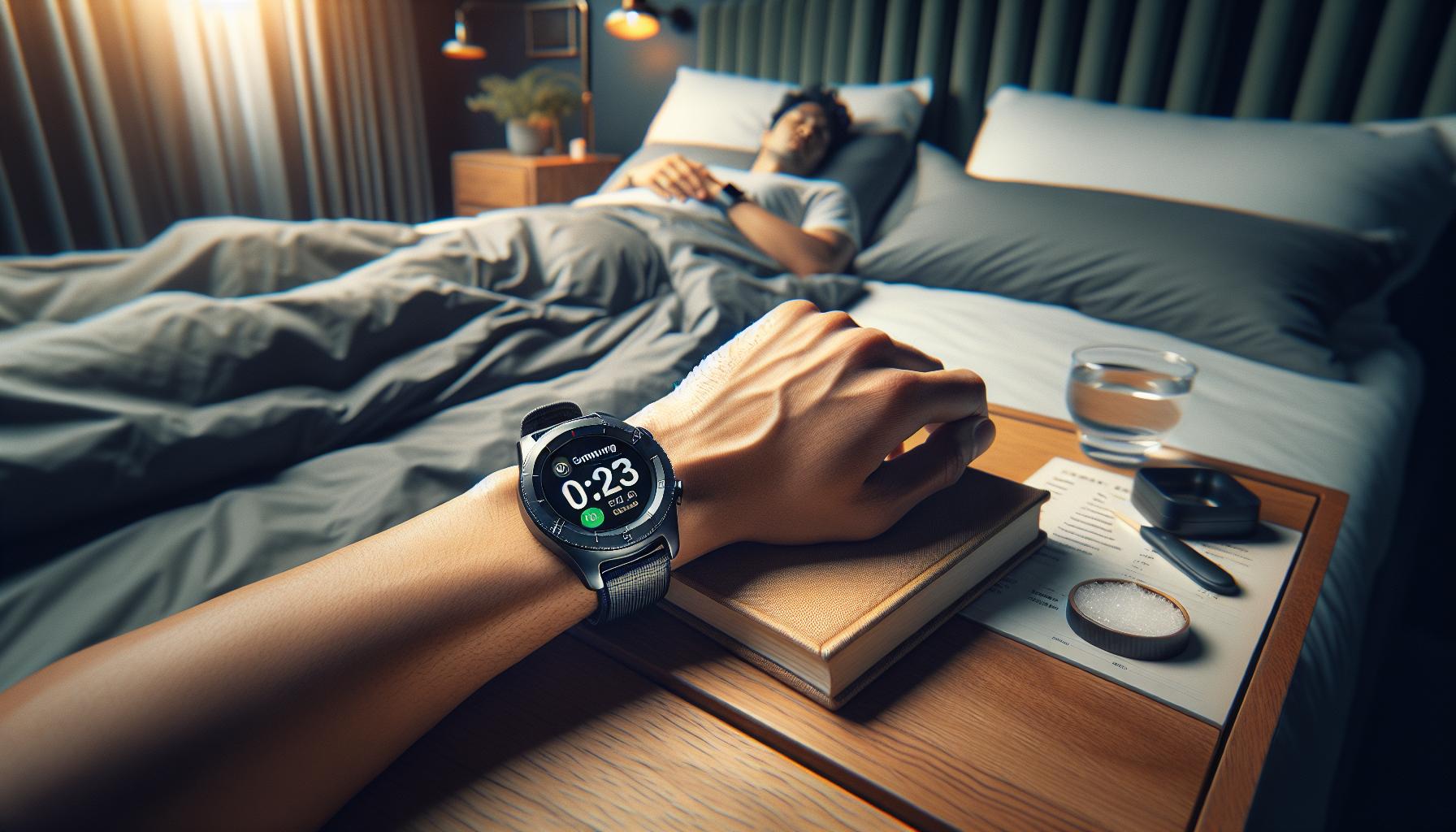
Key Features of Samsung Watch Sleep Tracking
Sleep tracking on Samsung watches goes beyond telling you when you’ve drifted off; it integrates advanced technology to provide comprehensive insights into your sleep patterns. By using an array of sensors, including motion detectors and heart rate monitors, these devices gather data while you sleep. This information combines to create a detailed picture of your sleep quality and duration, allowing you to make informed decisions about improving your rest.
A standout feature is the sleep stage tracking, which categorizes your sleep into light, deep, and REM stages. Understanding how long you spend in each phase can help shed light on your overall health and wellness. Additionally, the built-in microphone can capture snoring, giving users awareness of factors that might disrupt sleep quality. Beyond just metrics, Samsung’s sleep coaching provides personalized recommendations based on your specific sleep data, helping you develop healthier habits over time.
Another impressive aspect of Samsung’s sleep tracking is its integration with the Samsung Health app. This centralized platform allows you to view your sleep history and trends over time, offering more than just a snapshot. Users can set sleep goals and receive insights tailored to overcome common sleep issues. With a user-friendly interface, managing your sleep data becomes less daunting, empowering you to take actionable steps toward better sleep health.
While these features are robust, the effectiveness of the tracking can depend on the watch’s fit and whether users wear the device throughout the night. It’s crucial to ensure your watch is snug but comfortable to accurately monitor all movements. Thus, adjusting settings in the Health app to suit personal preferences can enhance the accuracy of sleep tracking, tailoring the experience to individual sleep behaviors.
How Accurate is Samsung Watch Sleep Tracking?
When it comes to understanding the accuracy of sleep tracking on Samsung watches, it’s essential to recognize that while these devices provide useful insights into your sleep patterns, they are not without limitations. Samsung’s sleep-tracking technology leverages a combination of sensors, including accelerometers and heart rate monitors, to assess your sleep stages and overall quality. Studies have shown that wearable sleep trackers can offer a reasonable approximation of sleep duration and quality, but they may struggle with precisely identifying specific sleep stages.
### Factors Influencing Accuracy
Several key factors can influence the accuracy of sleep tracking on Samsung watches:
- Fit of the Device: For optimal accuracy, the watch should fit snugly on your wrist without being overly tight. A loose fit may lead to inaccurate readings due to insufficient sensor contact.
- Environment: External factors such as noise, light, and room temperature can disrupt sleep, which the tracker may not fully capture. This can result in an underestimation of sleep quality.
- Individual Differences: Each person’s sleep patterns are unique. Factors such as age, lifestyle, and health conditions can affect how well a watch detects and categorizes sleep stages.
### Real-World Comparisons
In practice, users have reported mixed results when comparing their Samsung watch sleep data with traditional sleep studies (polysomnography). Polysomnography is considered the gold standard for sleep analysis. In some cases, Samsung watches have accurately captured overall sleep duration but may have misclassified light, deep, and REM sleep stages, which is critical for understanding sleep health. This discrepancy is common in most consumer-grade sleep trackers and highlights the importance of using these devices for general insights rather than definitive medical assessments.
### Conclusion
While Samsung watches can be a valuable tool for enhancing your understanding of sleep, it is important to approach the data with realistic expectations. They can help you identify trends and provide a foundation for better sleep habits, but they may not replace professional sleep studies when it comes to diagnosing sleep disorders. If you notice persistent sleep issues, seeking professional guidance remains a crucial step. Remember, the goal of using these devices is to foster healthier sleep patterns by being informed, rather than relying solely on the technology for absolute accuracy.
Comparing Samsung Watch Sleep Tracking with Other Devices
When evaluating the sleep tracking capabilities of the Samsung Galaxy Watch, it’s essential to consider how it stacks up against other popular wearable devices on the market. While Samsung’s solutions offer valuable insights into sleep patterns, devices from brands like Fitbit, Apple, and Whoop have their nuances that may affect a user’s choice. Each device employs unique technology to measure sleep stages and quality, making a comparison crucial for potential users.
Comparison of Key Features
The Samsung Galaxy Watch employs a combination of accelerometers and heart rate monitors to track sleep. This setup allows it to estimate sleep duration and provide insights into sleep quality. However, it may struggle with distinguishing between sleep stages-such as light, deep, and REM-which can impact the overall understanding of one’s sleep health.
In contrast, devices like the Fitbit Charge series utilize a similar sensor arrangement but claim superior accuracy in sleep stage classification. Fitbit’s software also includes advanced algorithms designed to enhance the reliability of sleep tracking data. Meanwhile, the Apple Watch focuses heavily on integrating sleep tracking with a broader health ecosystem-offering mindfulness and relaxation features alongside sleep monitoring.
| Device | Sleep Tracking Features | Key Strengths |
|---|---|---|
| Samsung Galaxy Watch | Sleep stage tracking, snoring detection, sleep coaching | Integration with Samsung Health ecosystem |
| Fitbit Charge 5 | Advanced sleep stage analysis, Sleep Score, Smart Wake | Accurate stage detection, user-friendly app |
| Apple Watch Series 7 | Sleep tracking alongside wellness features, sleep schedules | Integration with iOS health ecosystem, simple interface |
| Whoop Strap 3.0 | 24/7 tracking with recovery insights | Focus on recovery and strain optimization |
Real-World Usage and Limitations
User experiences commonly reveal that while the Samsung Galaxy Watch can effectively capture broad trends in sleep duration and quality, it might not always provide granular insights necessary for a comprehensive sleep analysis. Many users report discrepancies when comparing their Samsung watch data with professional sleep studies, often noting that the watch may inaccurately classify different sleep stages.
This mirrors the results of other wearables, where individuals found similarities in overall sleep duration but variations in the classification of sleep stages, especially with devices like Whoop, which emphasizes recovery tracking rather than granular sleep stage analysis. Therefore, while sleep trackers-including the Samsung Galaxy Watch-are excellent for tracking sleep trends and promoting better sleep hygiene, they should ideally supplement professional medical advice rather than replace it.
Ultimately, understanding these differences helps consumers choose the device that best suits their sleep health needs-whether they prioritize detailed sleep analytics, integrate their tracking with other health metrics, or simply need a reminder to establish healthier sleep routines.
Real User Experiences: Samsung Watch Sleep Tracking Results
Many users of the Samsung Galaxy Watch have reported varied experiences with its sleep tracking capabilities, highlighting both strengths and weaknesses that are important for those considering this tech as a sleep aid. One consistent observation is that while the watch provides valuable insights into overall sleep duration, it may falter when it comes to accurately identifying specific sleep stages such as light, deep, and REM sleep. This discrepancy can leave some users wondering about the accuracy of their sleep data.
A frequent piece of feedback from Samsung Galaxy Watch users is the difference between their device’s readings and those obtained from professional sleep studies. For instance, individuals who have undergone polysomnography-considered the gold standard in sleep assessment-often find that their Galaxy Watch underreports or misclassifies their sleep stages. A user might wake up feeling rested, but the watch could indicate a night filled with disrupted sleep, leading to confusion and frustration.
Moreover, those who actively seek to improve their sleep hygiene appreciate features like sleep coaching and snoring detection provided by the watch. These functions can promote healthier sleep habits, but users advise that it’s critical to approach the insights with a grain of salt. Instead of relying solely on the watch for definitive data on sleep quality, many suggest using it as a tool to spot trends. The watch can help identify patterns-for example, if sleeping later correlates with more sleepless nights-which users can then discuss with healthcare professionals for a deeper understanding.
Ultimately, while the Samsung Galaxy Watch can certainly provide useful data and encourage positive sleep habits, users should be aware that it is not infallible. Many find value in combining the watch’s insights with more detailed evaluations from sleep specialists, especially if persistent sleep issues arise. Embracing a holistic approach to sleep health, which includes monitoring using devices, seeking professional advice, and possibly participating in sleep studies when necessary, empowers users to make informed decisions about their sleep wellness.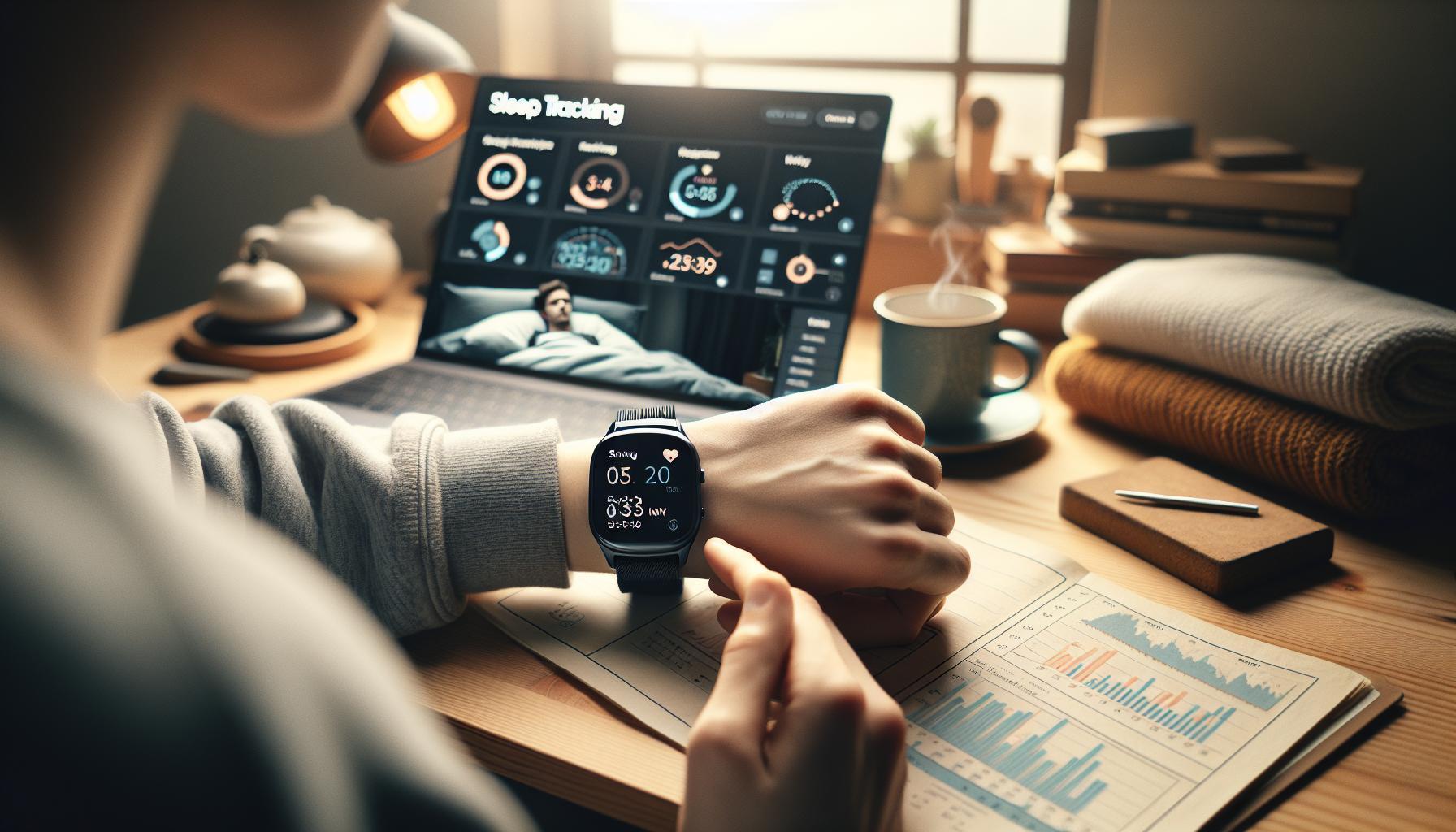
Common Issues and Limitations of Sleep Tracking
Many users begin their journey with sleep tracking expecting precise and actionable insights, only to encounter certain limitations and issues that can complicate their experience. While the Samsung Galaxy Watch offers an array of sleep monitoring features, it’s essential to understand these common pitfalls to make informed decisions about your sleep health.
One significant limitation lies in the watch’s ability to accurately differentiate between sleep stages. While the device effectively tracks total sleep time, reports suggest it may struggle with accurately classifying periods of light, deep, and REM sleep. Users often find discrepancies between the readings on their Galaxy Watch and data derived from professional sleep studies, such as polysomnography, which is considered the gold standard. For instance, individuals who wake up feeling rested may check their watch only to see a report indicating disrupted sleep patterns, leading to confusion and anxiety about their sleep health.
Another common issue is the watch’s sensitivity to various factors that can affect sleep data accuracy. Movement during sleep, such as shifting positions or getting out of bed, can influence the device’s readings. Additionally, external factors like noise or light in the sleep environment may impact your perceived sleep quality but not be appropriately accounted for by the watch. Users should consider these elements when interpreting their data, as the technology may not encapsulate the full picture of their sleep experience.
While features like sleep coaching and snoring detection present a compelling case for integrating technology into sleep hygiene, it’s crucial to approach the insights with skepticism. The recommendations made by the watch may not always align with your subjective experiences, and reliance solely on this technology can lead to misinterpretations regarding your sleep quality. Thus, rather than using the watch as a definitive guide, consider it a tool for spotting trends and patterns, which can then be discussed with healthcare professionals for deeper analysis.
In summary, while the Samsung Galaxy Watch can provide useful data and encourage improved sleeping habits, understanding its limitations is key. Combining insights from the watch with detailed evaluations from sleep professionals can lead to a more comprehensive approach to sleep health, empowering you to develop strategies that genuinely enhance your overall well-being.
Tips to Optimize Sleep Tracking with Samsung Watches
To get the most out of your Samsung Watch’s sleep tracking features, there are several strategies you can employ to enhance the accuracy and relevance of the data you receive. Adopting these tips can lead to a better understanding of your sleep patterns and ultimately improve your overall sleep quality.
Begin by ensuring your watch is worn correctly and consistently. The device should fit snugly on your wrist, allowing the sensors to work effectively. If you adjust your position frequently during sleep, consider the watch’s placement on your wrist and confirm it stays secure throughout the night. Also, keeping the watch charged overnight will prevent any interruptions due to battery failure, ensuring uninterrupted tracking.
Optimize Your Sleep Environment
The sleep environment can significantly impact the quality of your rest and the data recorded by your Samsung Watch. Aim for a quiet, dark, and comfortable room. You might consider using blackout curtains or white noise machines to block out distractions that might affect your sleep stages. Additionally, maintaining a consistent sleep schedule helps train your body to adhere to a routine, which the watch can better track.
Utilize the Samsung Health App
Make the most of the Samsung Health app by regularly reviewing your sleep reports. This app provides insights into your sleep duration, patterns, and quality, which can help identify trends or issues. If you notice inconsistencies or unusual patterns, it may be worth keeping a journal to correlate how your lifestyle choices-like caffeine consumption or stress levels-impact your sleep.
Take Advantage of Features
Samsung’s watch includes features like snoring detection and sleep coaching that can significantly enhance your sleep tracking experience. Enable these features to gather more comprehensive data about your sleep behavior. Regularly interacting with the sleep coaching suggestions can also prompt healthier sleep habits.
By implementing these strategies, you can optimize the performance of your Samsung Watch, ensuring that the insights you derive are as accurate and helpful as possible, ultimately guiding you toward better sleep health.
How to Interpret Sleep Data from Your Samsung Watch
Understanding how to interpret the sleep data provided by your Samsung Watch can feel daunting, yet it is essential for enhancing your sleep quality. The detailed metrics offered by the device, including sleep duration, sleep stages, and overall sleep quality, are valuable tools. Remember, these stats are not just numbers; they are insights into your sleep habits that can inform improvements in your overall well-being.
When you first look at your sleep data, you will typically see key metrics such as total sleep time, time spent in light, deep, and REM sleep, and the number of times you woke up during the night. These metrics can guide you in assessing if you are getting enough restorative sleep. For example, adults typically need around 7-9 hours of sleep, with a healthy amount of REM sleep contributing to memory and emotional processing. If your data shows low REM sleep or frequent awakenings, it may indicate an underlying issue worth exploring further.
Another significant aspect of interpreting your sleep data is recognizing patterns over time. The Samsung Health app allows you to view trends by comparing sleep data across multiple nights or even weeks. Look for consistencies in your sleep quality corresponding to factors like your bedtime routine, caffeine consumption, or stress levels. Keeping a sleep diary where you note habits and environments can help correlate changes in sleep patterns with modifications in your daily life.
Lastly, it’s crucial to approach the analysis with a critical mind. While Samsung’s sleep tracking technology is advanced, it’s still not a substitute for medical advice or diagnostic tools like polysomnography conducted in a sleep clinic. If data points indicate chronic sleep disturbances or if you frequently feel fatigued despite adequate sleep, consider consulting a healthcare professional. Your Samsung Watch can be a fantastic tool in your journey to better sleep but remember it works best when paired with conscious lifestyle choices and, when necessary, professional guidance.
Setting Up Your Samsung Watch for Effective Sleep Tracking
To get the most out of your Samsung Watch’s sleep tracking capabilities, it’s essential to set it up properly. A well-configured device not only enhances the accuracy of the data collected but also allows you to make the most informed decisions regarding your sleep health. Here are the key steps and tips for an effective setup.
First, ensure that your Samsung Watch is fully updated with the latest software. Updates often include enhancements to tracking algorithms and features that can improve performance. After confirming the update, you can begin the setup process within the Samsung Health app. Open the app, navigate to the settings, and enable the sleep tracking feature. You can tailor the settings based on your preferences, such as the sleep time or enabling notifications that remind you to wind down for the night.
Next, make sure the watch fits snugly on your wrist. Sleep tracking relies on heart rate monitoring and movement detection, so a proper fit is crucial for accurate results. You don’t want it too loose, as it may not capture data correctly, or too tight, as it could be uncomfortable during sleep. A good rule of thumb is to adjust it until it feels secure but not restrictive.
When preparing for bedtime, activate any additional features that might assist in tracking your sleep environment. Some models allow for sound monitoring or snoring detection, which can provide insights into your sleep quality. Activating these features typically involves simple toggles within the app settings. Additionally, consider creating a consistent bedtime routine and sleep environment-for example, dimming the lights or reducing screen time-to complement the data you’ll receive from your watch.
Lastly, be proactive about reviewing the data collected by your Samsung Watch. Regularly check the Samsung Health app for trends or changes in your sleep patterns. This ongoing analysis can help you identify issues like frequent awakenings or insufficient REM sleep. If you notice any concerning trends, don’t hesitate to reach out to a healthcare professional for further evaluation. Your watch is a powerful tool for improving your sleep health when combined with mindful habits and informed lifestyle choices.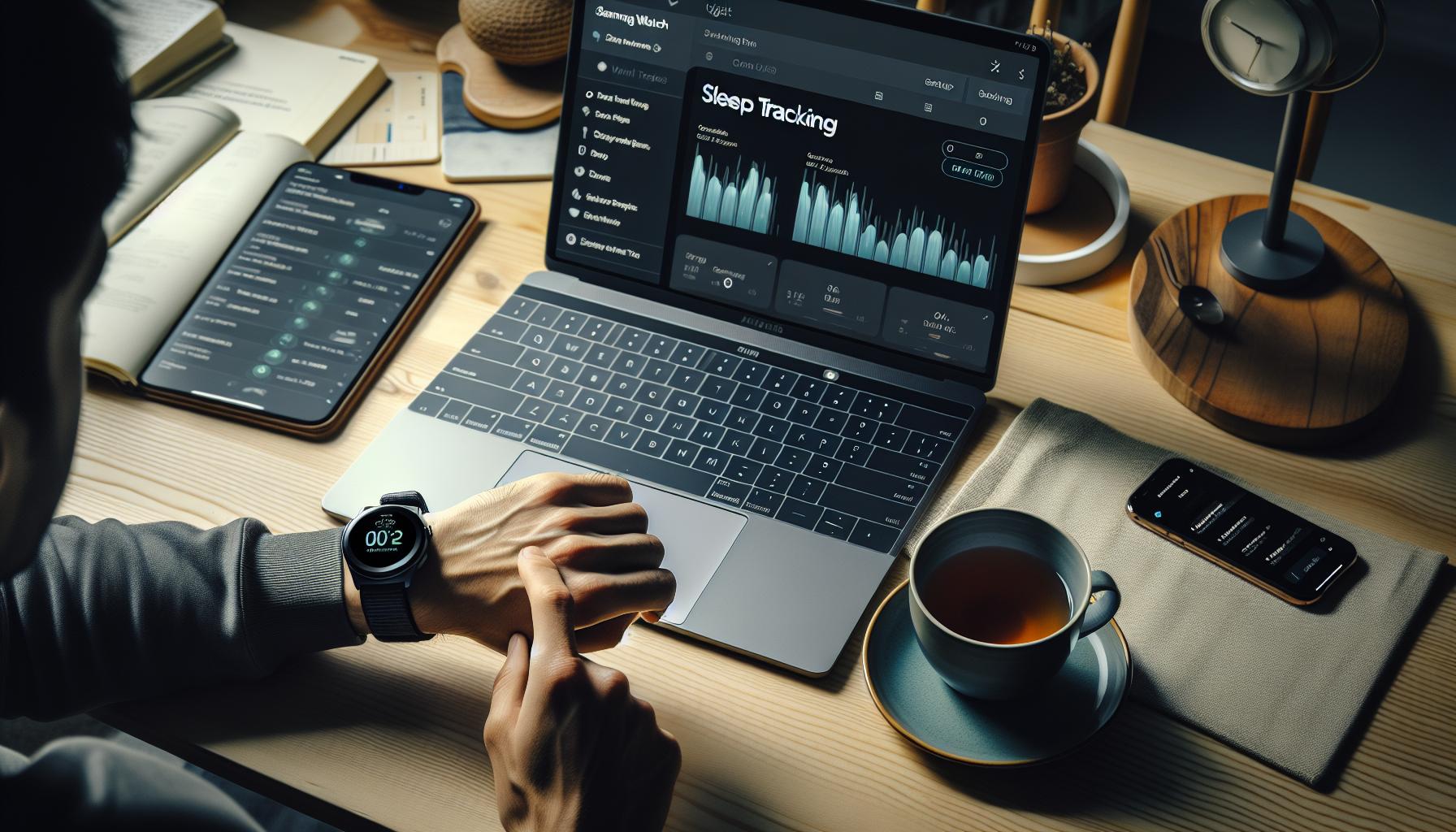
The Science Behind Sleep Stages and Tracking
Understanding how sleep stages work is crucial for accurately interpreting the data collected by your Samsung Watch. The human sleep cycle is divided into distinct stages, including Light Sleep, Deep Sleep, and REM (Rapid Eye Movement) Sleep, each playing a significant role in physical health, mental well-being, and memory consolidation.
Samsung watches utilize a combination of heart rate monitoring and motion detection to assess your sleep patterns. The device can typically differentiate between sleep stages based on changes in your heart rate and the movements recorded throughout the night. For instance, during Light Sleep, you may experience fluctuations in your heart rate, while Deep Sleep is characterized by a more stable heart rate and reduced movement. REM Sleep, when most dreaming occurs, can often be inferred from the increase in heart rate variability as your brain becomes more active.
Limitations of the Technology
While the Samsung Sleep Tracking feature leverages advanced algorithms to estimate these stages, it’s important to acknowledge its limitations. Unlike a polysomnography test performed in a sleep lab, which measures brain waves, oxygen levels, and more, wearables primarily rely on physical metrics. Consequently, while they offer a valuable overview of sleeping habits, they may not always provide precise categorization of sleep stages. Users should keep this in mind when interpreting the results, as occasional discrepancies in stage classification can occur.
Practical Insights for Sleep Improvement
To enhance the accuracy of sleep tracking with your Samsung watch, consider establishing consistent sleep habits. Going to bed and waking up at the same time each day can help regulate your body’s internal clock, potentially leading to more predictable sleep patterns. Additionally, utilizing features such as snoring detection or ambient sound monitoring can enrich the data collected, offering further insights into how external factors may affect your sleep quality. Regularly reviewing and adapting your habits based on the data from your watch can contribute to better overall sleep health.
Ultimately, understanding enables you to become more informed about your sleep patterns and make proactive changes to enhance sleep quality-empowering you on your journey to better rest.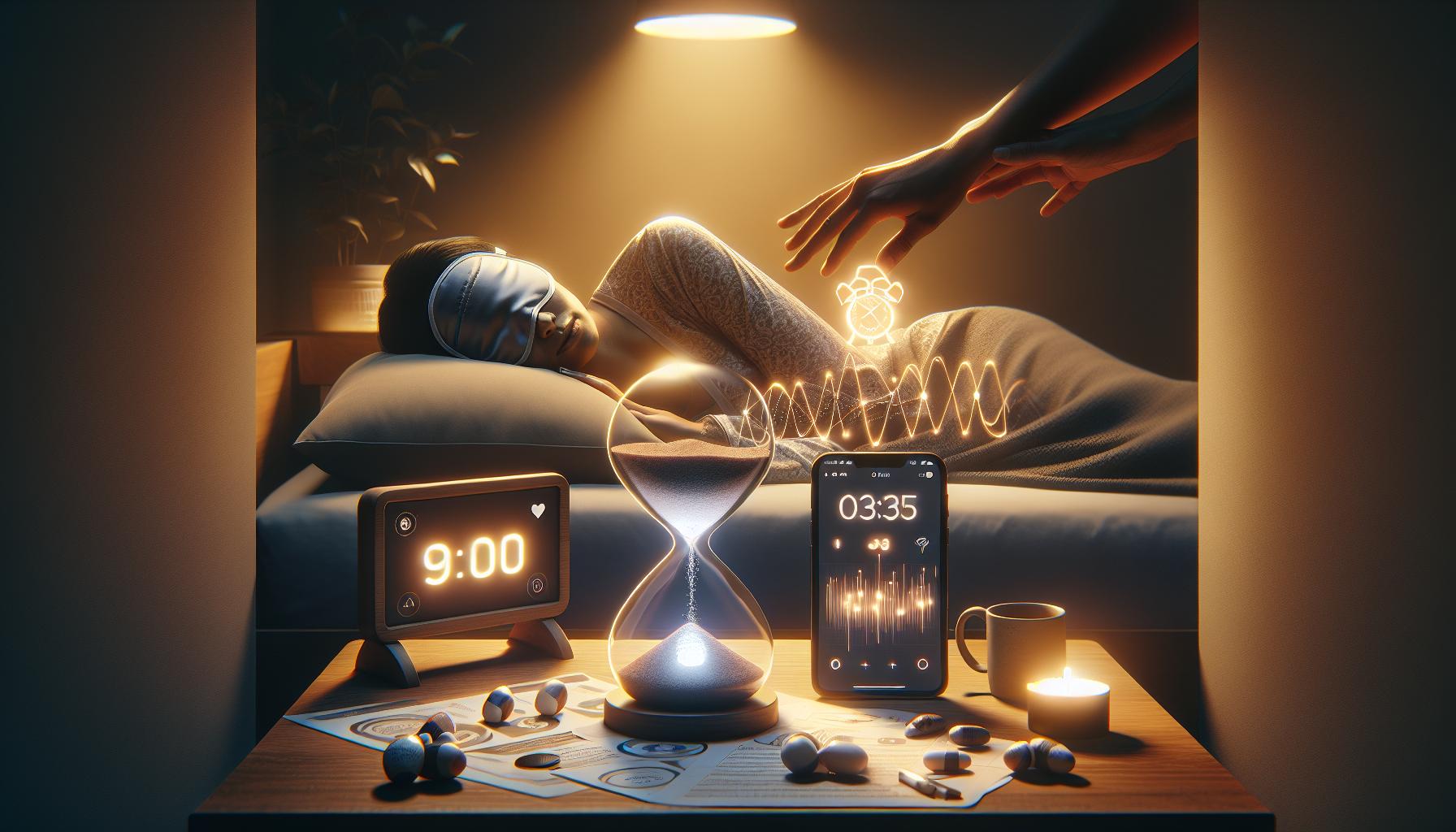
When to Seek Professional Help vs. Using a Tracker
Understanding when to rely on a Samsung watch for sleep tracking and when to seek professional help can be crucial for managing sleep health. Smartwatches like the Samsung Galaxy Watch provide valuable insights into your sleep patterns, utilizing sensors to monitor movement and heart rate. However, these devices have limitations and cannot fully replace medical assessments for more serious sleep issues.
If you’re experiencing persistent sleep disturbances-such as insomnia, excessive daytime sleepiness, or frequent nighttime awakenings-it’s essential to consider a professional evaluation. Symptoms like loud snoring, gasping for air during sleep, or restless legs could indicate underlying sleep disorders like sleep apnea or periodic limb movement disorder. In such cases, a sleep study, or polysomnography, is recommended to analyze your sleep cycles comprehensively, measuring brain activity, oxygen levels, and other critical factors that wearables cannot detect.
For those simply looking to improve their sleep habits or monitor their patterns, your Samsung watch is a useful tool. Utilize its sleep tracking features to gain an overview of your sleep architecture. Adjusting your habits based on the insights from the device-like establishing a consistent sleep schedule or recognizing patterns linked to lifestyle factors-can lead to significant improvements in sleep quality without the need for professional intervention. However, if your self-monitoring reveals worrisome trends or if you feel anxious about your sleep, do not hesitate to reach out for professional guidance.
In summary, while Samsung watches are effective for tracking general sleep patterns and making lifestyle adjustments, persistent or severe sleep issues warrant professional evaluation. This balanced approach empowers you to make informed decisions about your sleep health and utilize technology effectively for better rest.
Future Trends in Sleep Tech: What’s Next?
The future of sleep tech promises exciting advancements that will not only enhance how we track our sleep but also impact our overall health and wellbeing. As sleep disturbances become increasingly common, innovative solutions are emerging that leverage the power of artificial intelligence, machine learning, and enhanced sensor technology to provide deeper insights into sleep patterns, quality, and disturbances.
One significant trend is the integration of biometric data across multiple health metrics. Devices like the Samsung Galaxy Watch are expected to evolve by incorporating metrics such as stress levels, mood tracking, and even environmental factors like room temperature and light exposure. This holistic approach can help users understand how various aspects of their daily life affect their sleep quality. For instance, an upcoming feature could alert users to adjust their pre-sleep routines based on data trends, suggesting optimal times to wind down or even changes to diet or exercise to improve sleep.
Moreover, the accuracy of sleep tracking devices is likely to improve significantly. Advances in sensor technology will allow wearables to detect sleep stages more accurately and consistently. Current devices use accelerometers and heart rate sensors, but future models may utilize more sophisticated technology, such as EEG (electroencephalogram) monitoring, accessible in a non-invasive format. This could potentially provide users with even richer data on deep sleep, REM cycles, and awakenings, further enhancing the reliability of the insights they receive.
Ultimately, as these technologies develop, user engagement and customization will play a crucial role. Enhanced app interfaces nestled within devices will likely offer personalized sleep coaching, guiding users through actionable insights based on their specific patterns and behaviors. Features could include suggestions for optimizing sleep hygiene-like smartphone usage limitations or relaxation techniques-tailored to individual needs, transforming sleep tracking from passive data collection into an active tool for lifestyle modification.
As the landscape of sleep technology evolves, staying informed and adapting to these changes can empower individuals to take control of their sleep health, ensuring they not only track but also improve their quality of rest. This multifaceted approach, combining intuitive technology with actionable advice, demystifies sleep science and enhances our capacity to achieve better health outcomes through improved sleep habits.
Frequently Asked Questions
Q: How does Samsung Watch sleep tracking technology work?
A: Samsung Watch uses sensors to monitor your movement and heart rate during sleep. It analyzes this data to identify different sleep stages and provide insights on sleep quality. Understanding this technology helps users appreciate the basis of their sleep tracking results.
Q: What factors affect the accuracy of Samsung Watch sleep tracking?
A: Several factors can influence accuracy, including the fit of the watch, skin contact, movement during sleep, and proper setup in the Samsung Health app. For optimal tracking, ensure a snug fit on your wrist and follow setup guidelines in your watch’s settings.
Q: Can I improve the accuracy of Samsung Watch sleep tracking?
A: Yes, you can enhance accuracy by wearing the watch properly, keeping the software updated, and enabling all relevant sleep tracking settings. Regularly calibrating your sleep data can also lead to more precise insights on your sleep stages.
Q: How do Samsung Watches compare to other sleep tracking devices?
A: Samsung Watches generally provide reliable sleep tracking, but they may not be as accurate as dedicated sleep monitors or clinical devices. Comparing features in your article’s section on “Comparing Samsung Watch Sleep Tracking with Other Devices” can provide a deeper understanding.
Q: What should I do if my Samsung Watch isn’t tracking sleep accurately?
A: If your Samsung Watch is not recording sleep data correctly, try rebooting the device and ensuring all settings are configured properly. For persistent issues, check the Samsung Health app for updates or consult troubleshooting tips in your article’s “Common Issues and Limitations of Sleep Tracking” section.
Q: How can I interpret the sleep data from my Samsung Watch?
A: Sleep data includes metrics like total sleep time, sleep stages, and interruptions. Understanding these can help you assess sleep quality. Refer to the “How to Interpret Sleep Data from Your Samsung Watch” section for detailed insights and usage tips.
Q: When should I seek professional help for sleep issues instead of relying on my Samsung Watch?
A: If you consistently experience sleep disturbances or have concerns about sleep quality, consider consulting a healthcare provider. They may recommend a sleep study for a comprehensive evaluation, as discussed in the “When to Seek Professional Help vs. Using a Tracker” section of your article.
Q: Are there any common misconceptions about sleep tracking with Samsung Watches?
A: Yes, a common misconception is that these devices provide clinical-level accuracy. While Samsung Watches offer valuable insights, they are not a substitute for professional sleep assessments. Understanding limitations is key to using the device effectively.
Insights and Conclusions
As we’ve explored, the accuracy of sleep tracking on Samsung watches provides valuable insights into your sleep patterns, but understanding its limitations is equally crucial. To enhance your sleep quality, consider integrating tools like Samsung Health for comprehensive sleep monitoring and personalized coaching options. If you’re keen to dive deeper, check out our guides on optimizing your sleep health with wearables or discover the latest advancements in sleep technology.
Don’t miss out on maximizing your sleep potential-subscribe to our newsletter for expert tips and updates on sleep health resources! Have questions or experiences to share about your Samsung watch sleep tracking? We’d love to hear from you in the comments below. Keep exploring and unlocking the secrets to a better night’s sleep!
Get our latest guides, news, and insights highlighted in your Google Search & AI Overviews.